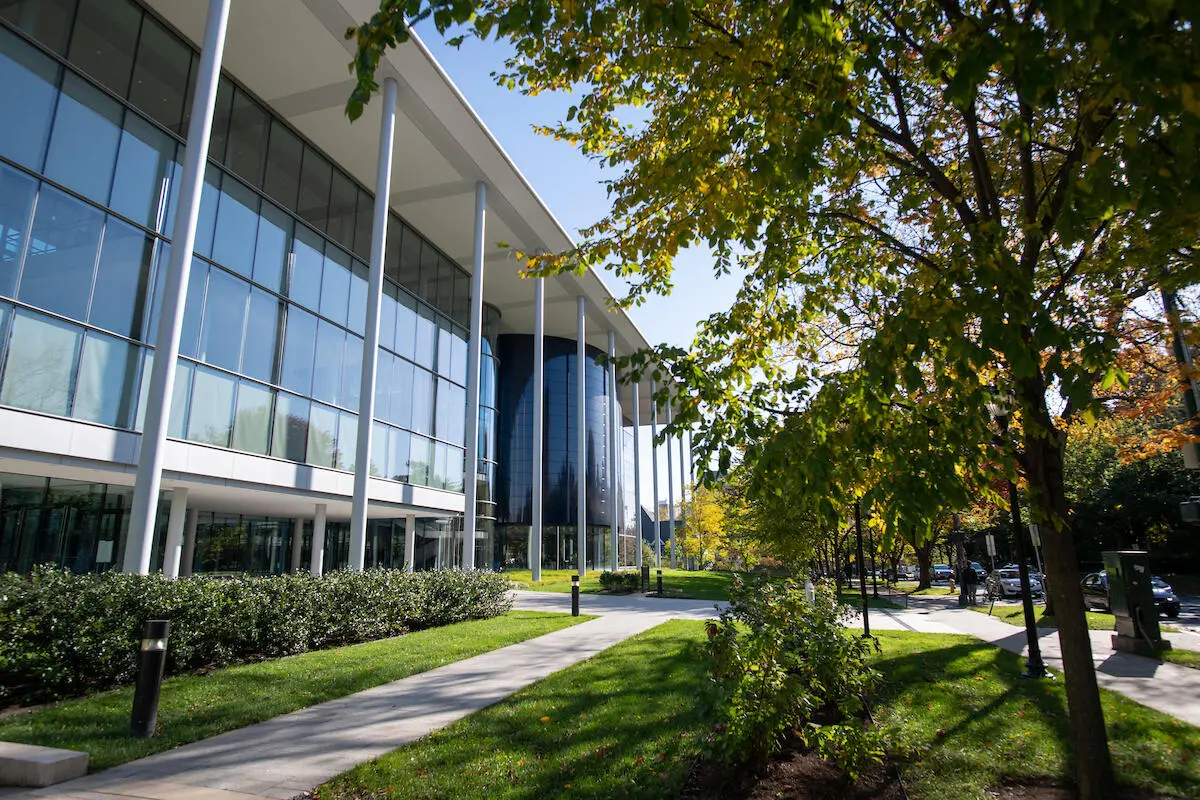
Seeing Our Climate Future On a Dairy Farm
An Aspen Ideas: Climate Excursion


Rasika Gasti
Digital Content Associate
Would you believe the future of climate innovation is unfolding on a dairy farm?
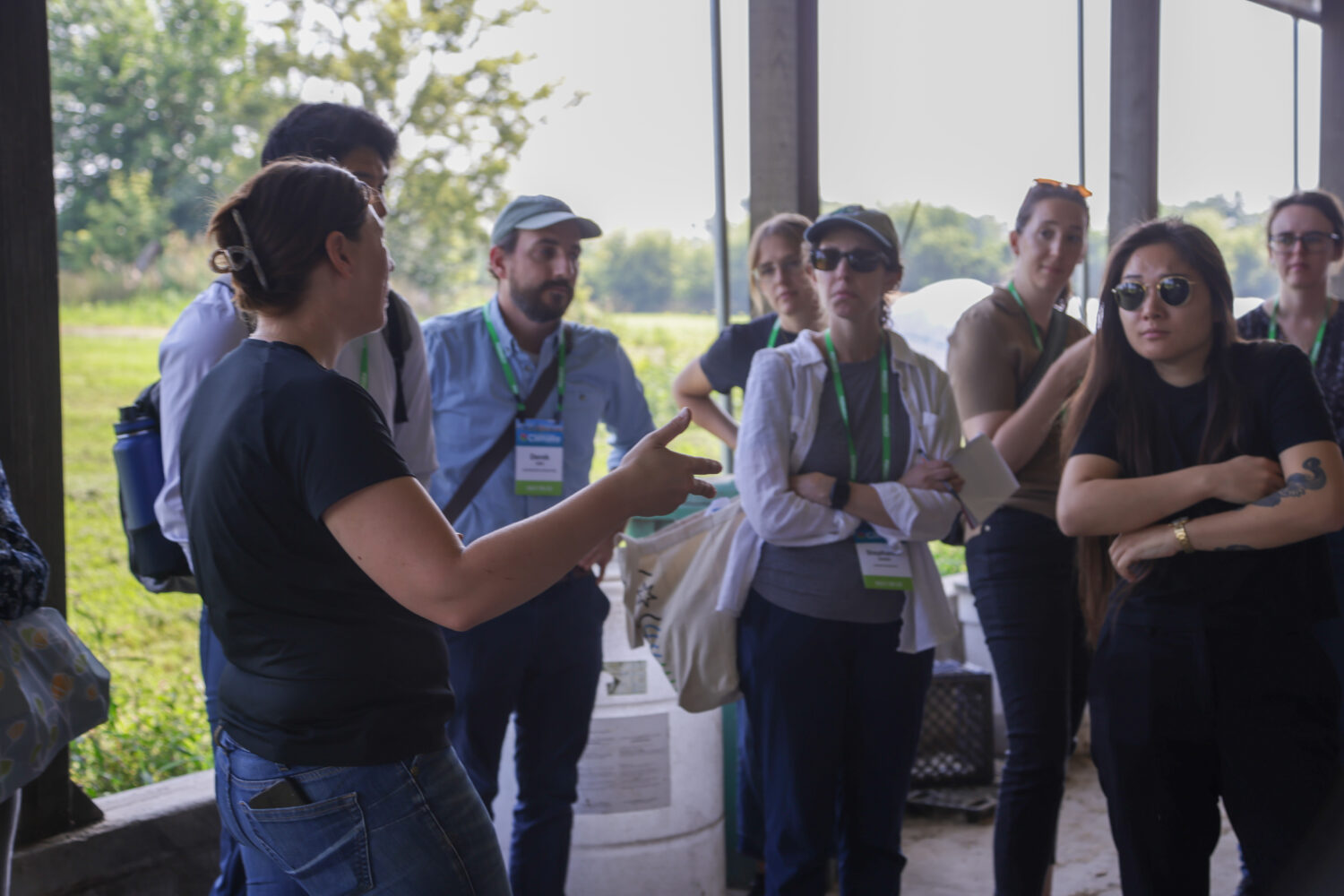
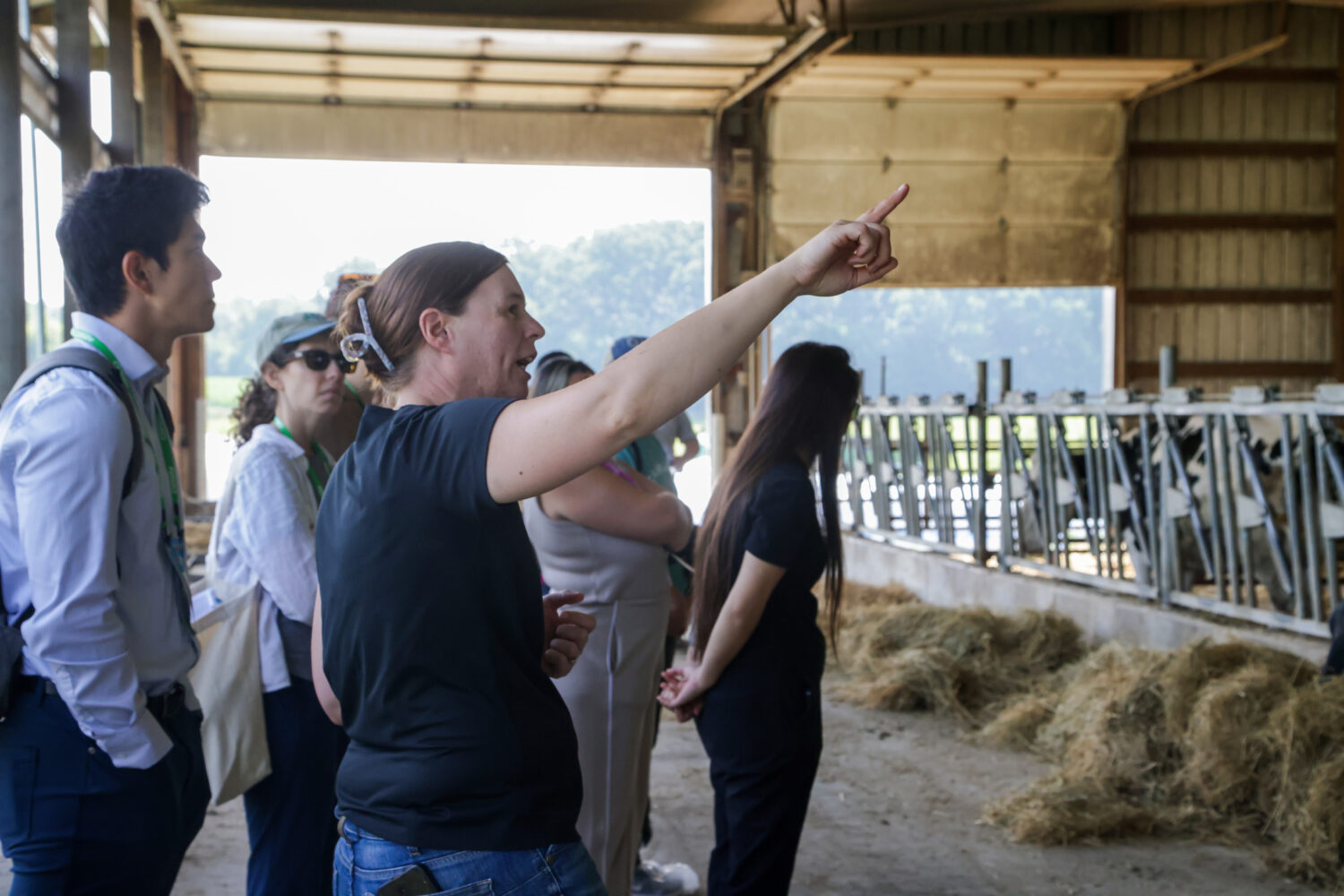
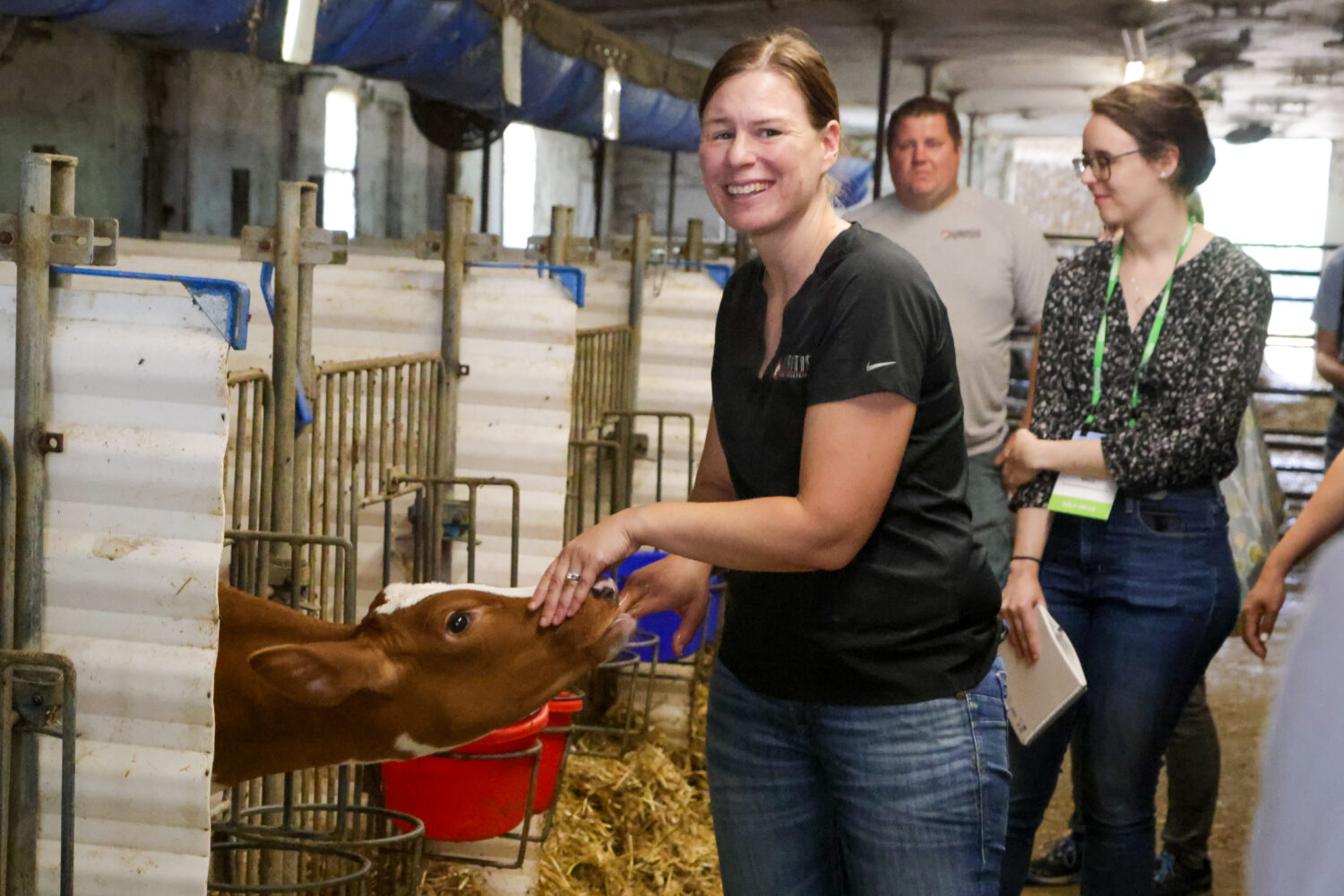
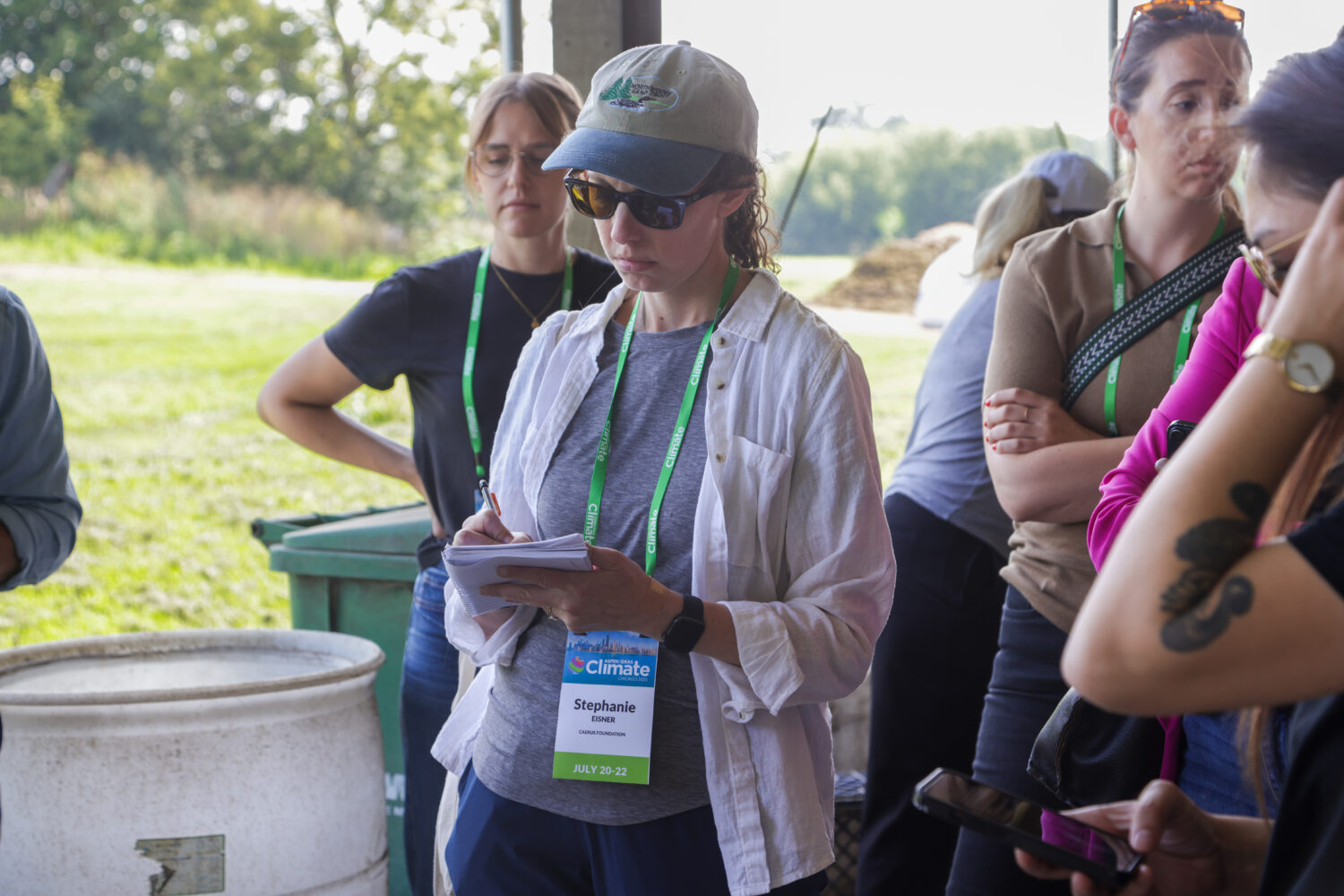
As part of this year’s Aspen Ideas: Climate in Chicago, attendees had the opportunity to step beyond the panels and into practice during a unique excursion to a forward-thinking state-of-the-art dairy farm. Organized in partnership with the Environmental Defense Fund and Midwest Dairy, the tour highlighted how modern farmers are reshaping an age-old industry to meet the challenges of a changing climate.
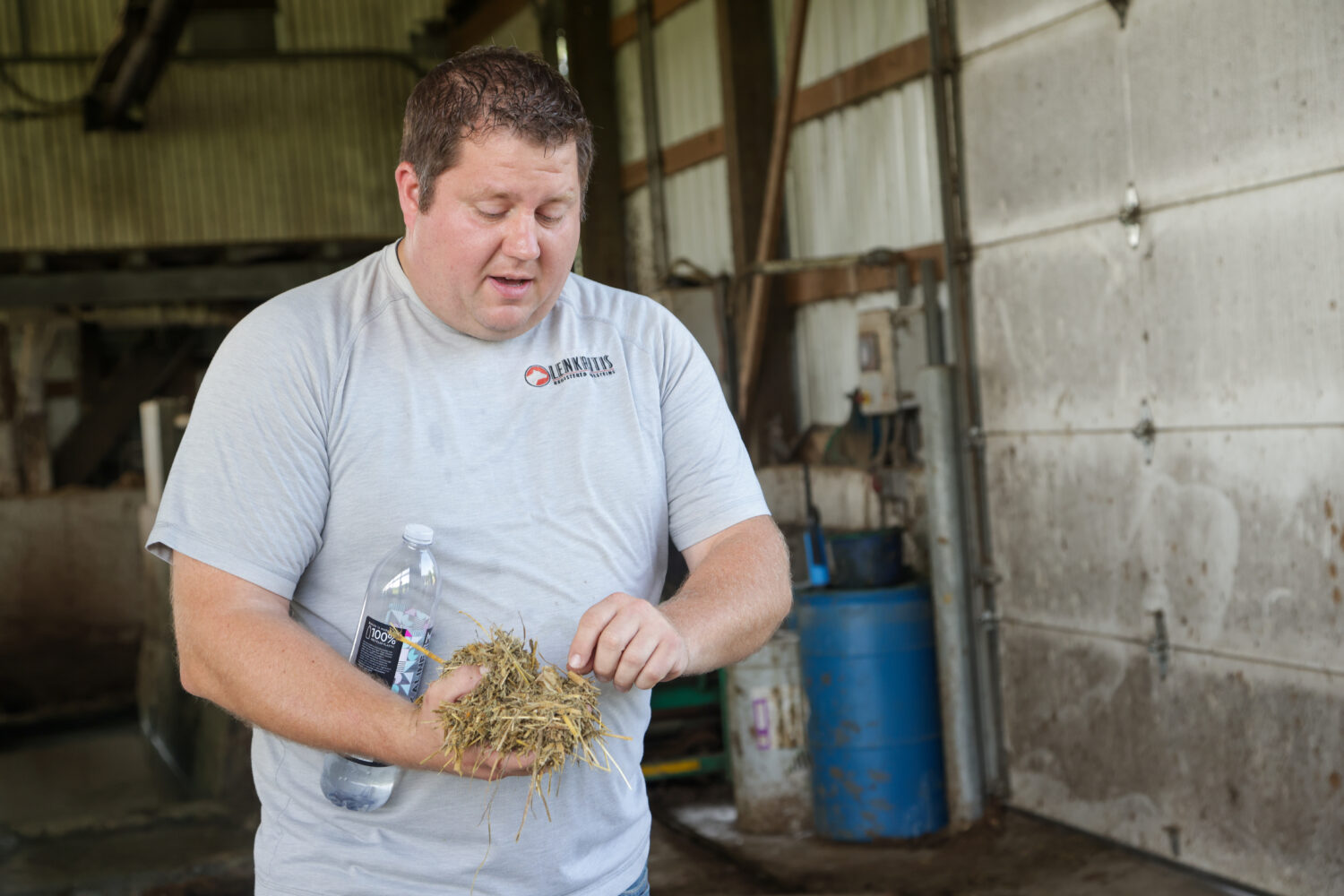
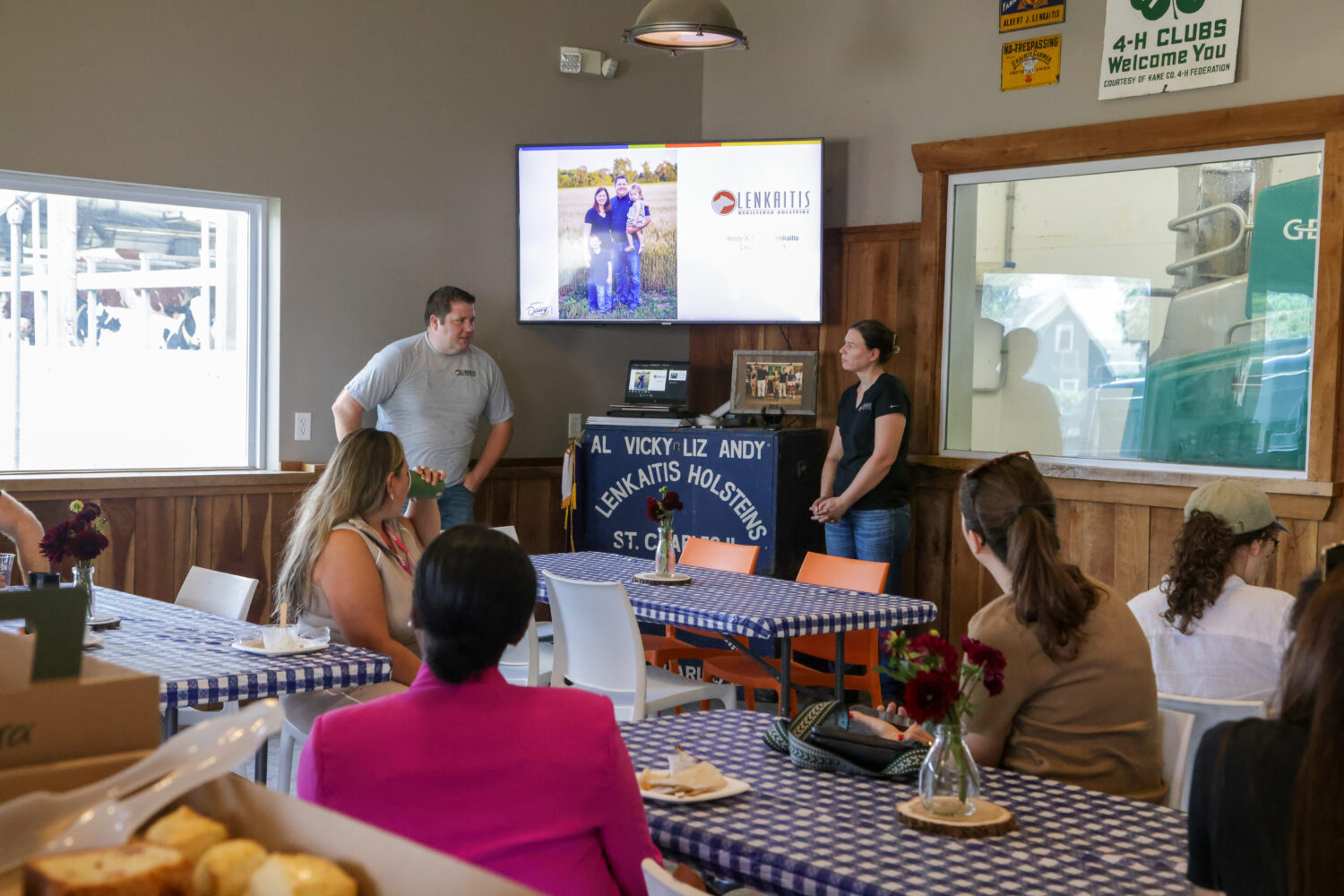
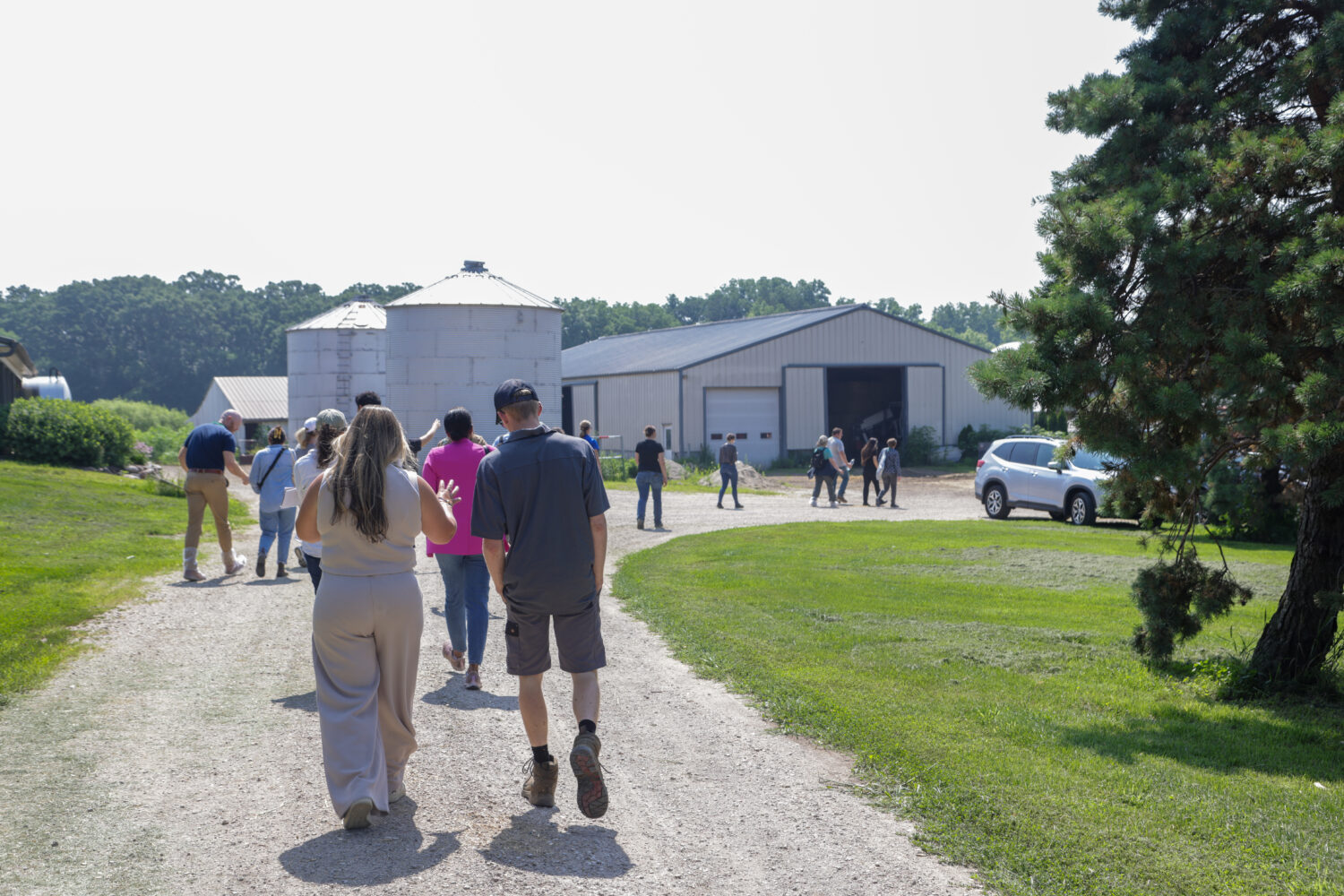
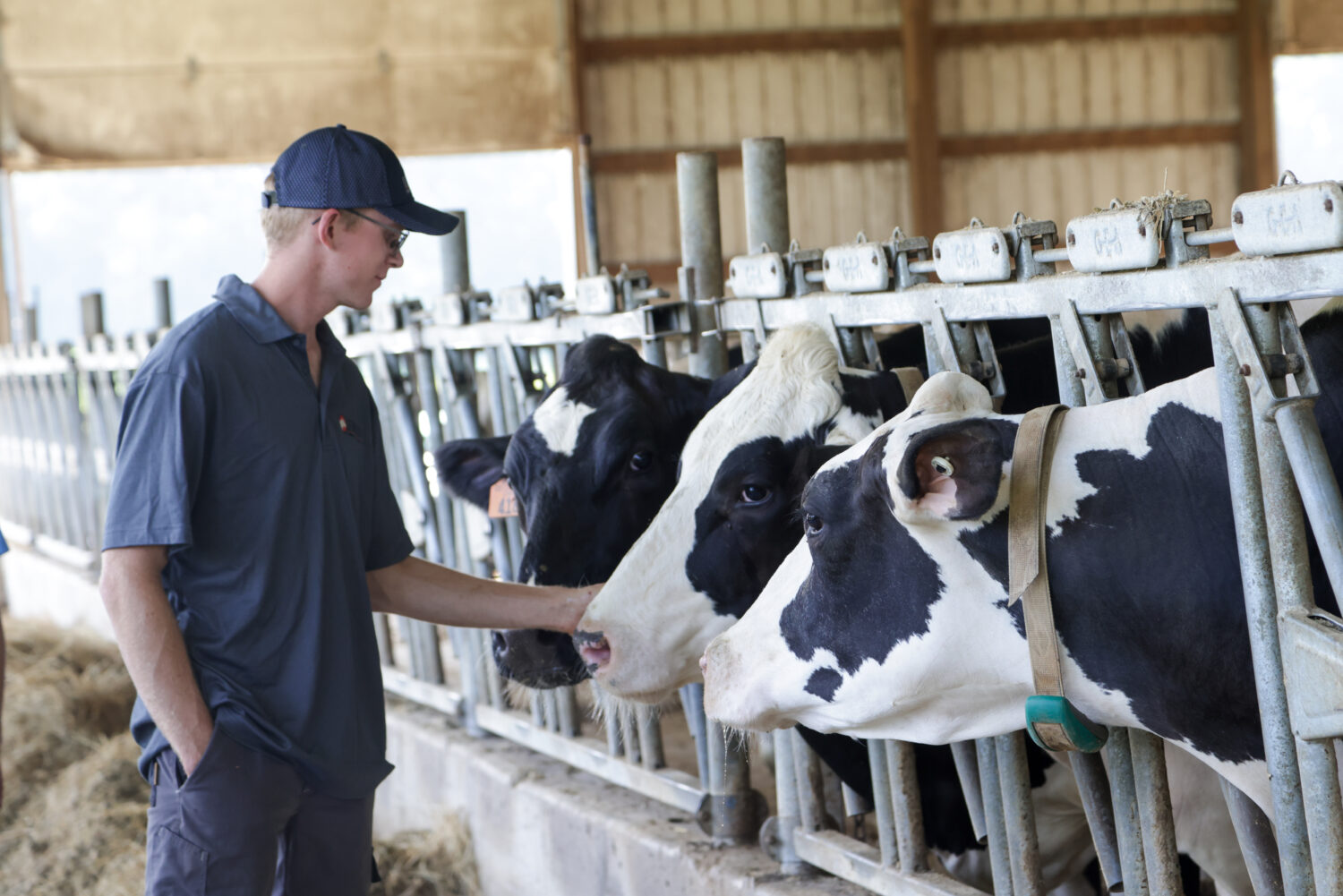
The group visited Lenkaitis Holsteins, a family-owned farm in Campton Hills, Illinois, where Andy and Sarah Lenkaitis shared their journey of blending tradition with innovation. Their story stretches back to 1983, when Andy’s parents first started the farm. Today, as second-generation farmers raising their son Lucas on the same land, Andy and Sarah carry forward a legacy of stewardship with a commitment to sustainability, community, and animal care.
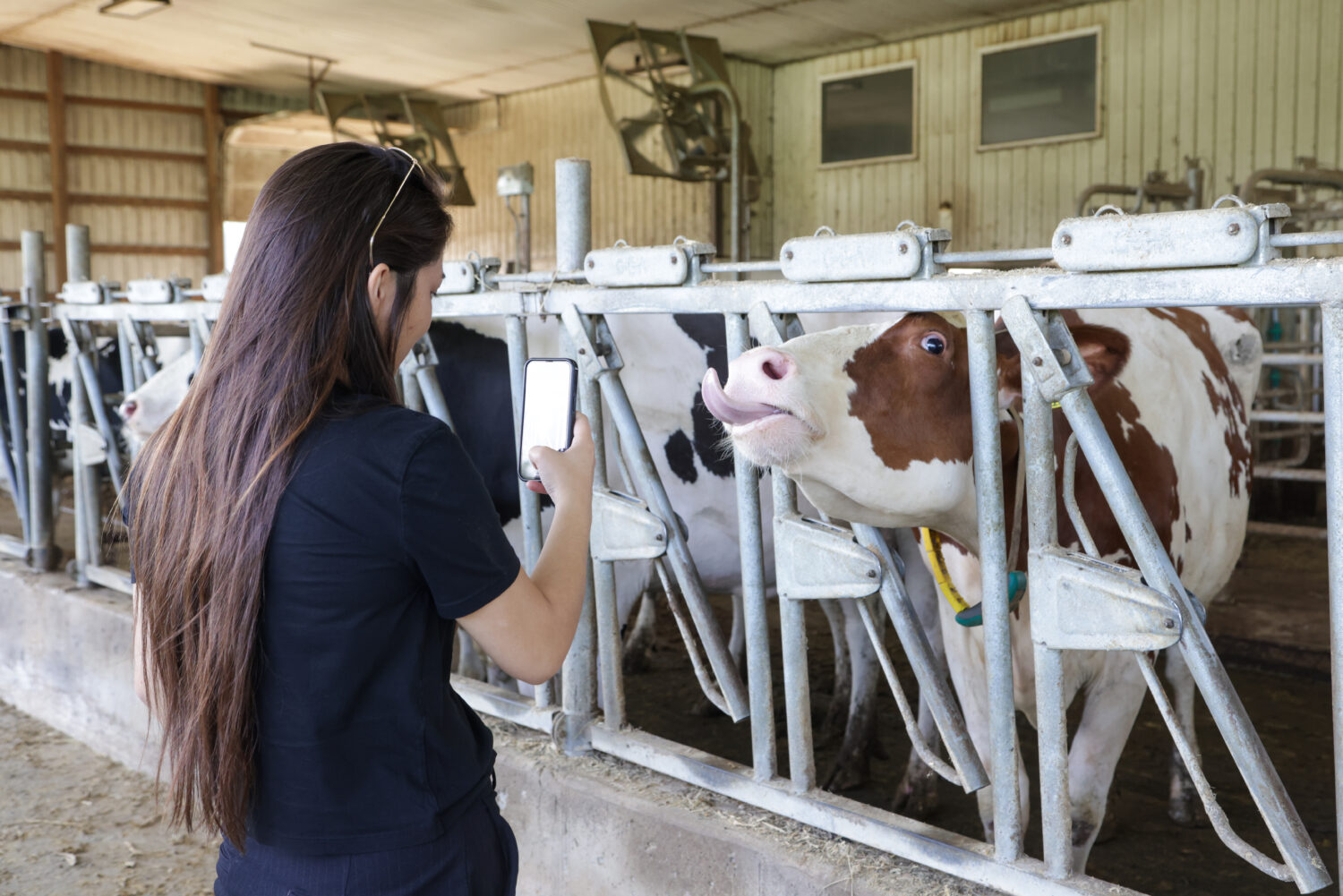
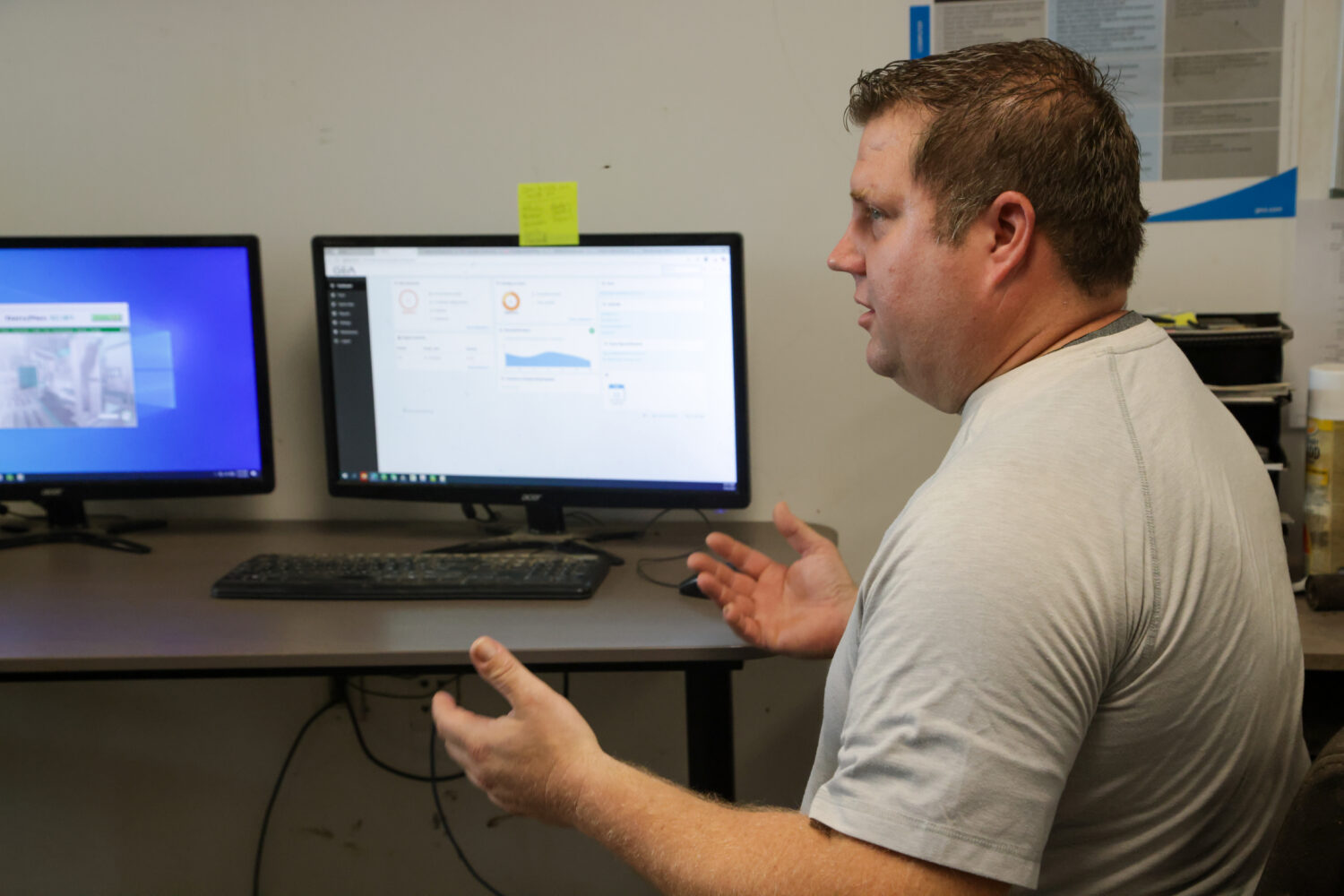
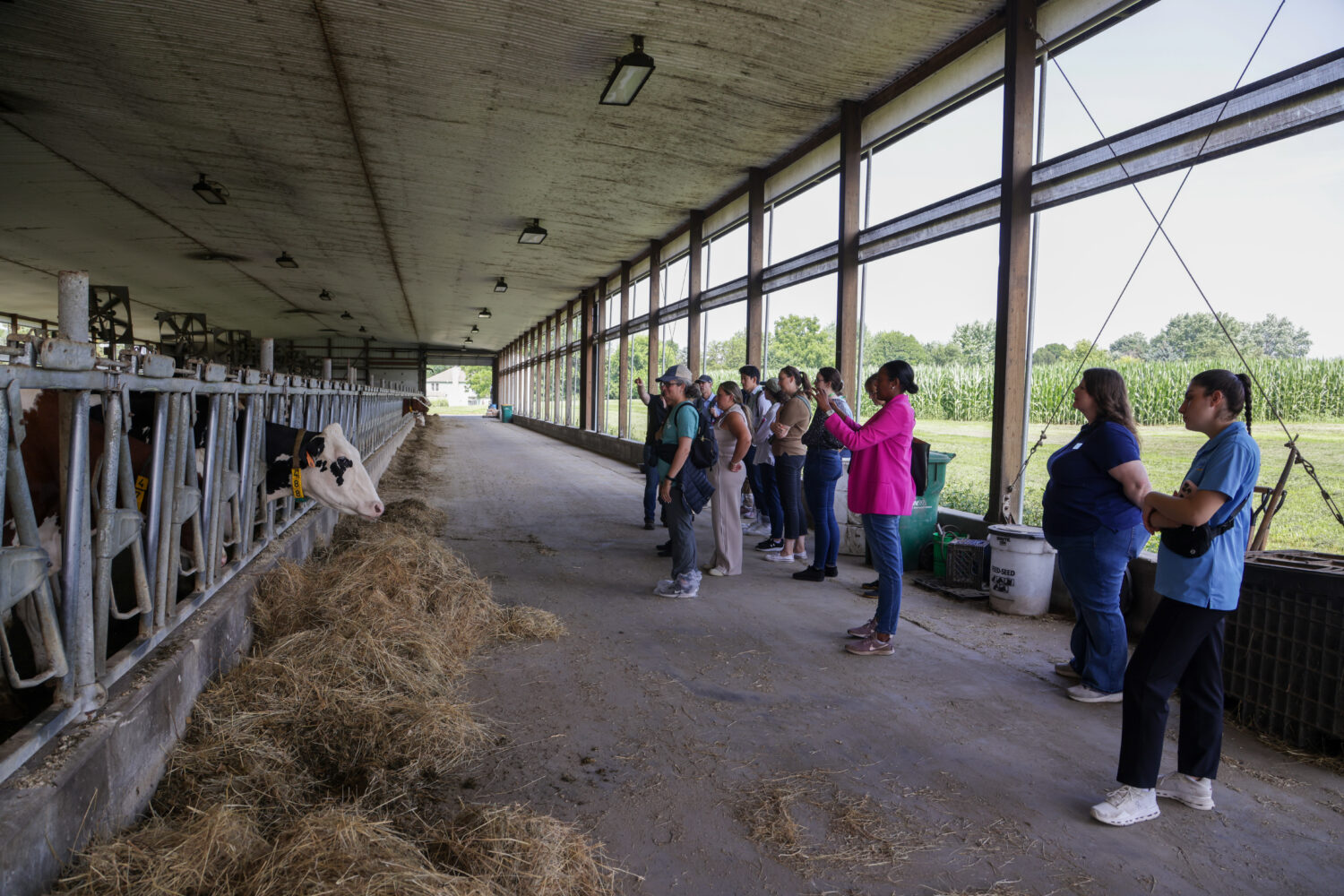
What makes the Lenkaitis farm remarkable is not only its resilience – surviving as one of just three remaining dairy farms in Kane County – but also its embrace of cutting-edge technology. Attendees toured a modern barn equipped with robotic milking machines and an automated manure management system, and saw cow activity collars that track animal health. Its innovative technologies are reflective of the farm’s commitment to environmental responsibility, including stormwater systems to protect local waterways.
Every detail is part of a broader sustainability approach that prioritizes energy efficiency, water conservation, soil health, and animal well-being. Variable frequency drive pumps, LED lighting, hybrid ventilation systems, and insulated ceilings all contribute to reduced energy use and a smaller carbon footprint for the farm. Importantly, the farm’s manure management system uses a series of technologies that not only minimize methane emissions but also recycle nutrients back into the soil for future crops. The process begins with automated scrapers that move manure to a collection point, keeping the barn clean and the manure fresh, which helps to reduce the initial release of methane. It then moves to a mechanical separator, which removes most of the carbon-rich solids, while allowing the nutrient-rich liquid to be stored in a 600,000-gallon, covered, under-barn pit, until it can be used at the appropriate time for fertilizing crops.
For attendees, the tour was more than a glimpse into the mechanics of modern dairy – it was a lesson in reimagining food production for the future. The Lenkaitis family’s vision shows how farms can reduce emissions, care for animals, and strengthen community ties while continuing to produce the food we rely on every day. Their approach illustrates the vital role of farmers in tackling climate change, and left attendees with a renewed sense of optimism in the solutions that are just below our feet.

Sign up for our
Mailing List
Stay engaged with the Alliance for Social Trust and learn more about upcoming initiatives, resources, and opportunities to collaborate.
An Oklahoma Perspective on Growth and Opportunity
How Can We Help the Next Generation Build Wealth?
Does Economic Growth Pass the Kitchen-Table Test?

Modernizing EBT Security Is Long Overdue. Policymakers Can’t Just Mandate It; They Need to Pay for It.
Whose Belief Counts as Religion
Could Sovereign Wealth Funds Improve U.S. Households’ Financial Security?
Economic Opportunity is a Human Challenge, Even in the Age of AI
<strong><strong>In rural Missouri, a student-run coffee shop brews belonging across generations</strong></strong>