The Solutions Bringing Us Closer to a Whole-of-Ecosystem Response to Scams

Julia Dickson
Manager, Scam Prevention Initiative

Kate Griffin
Director, Inclusive Financial System
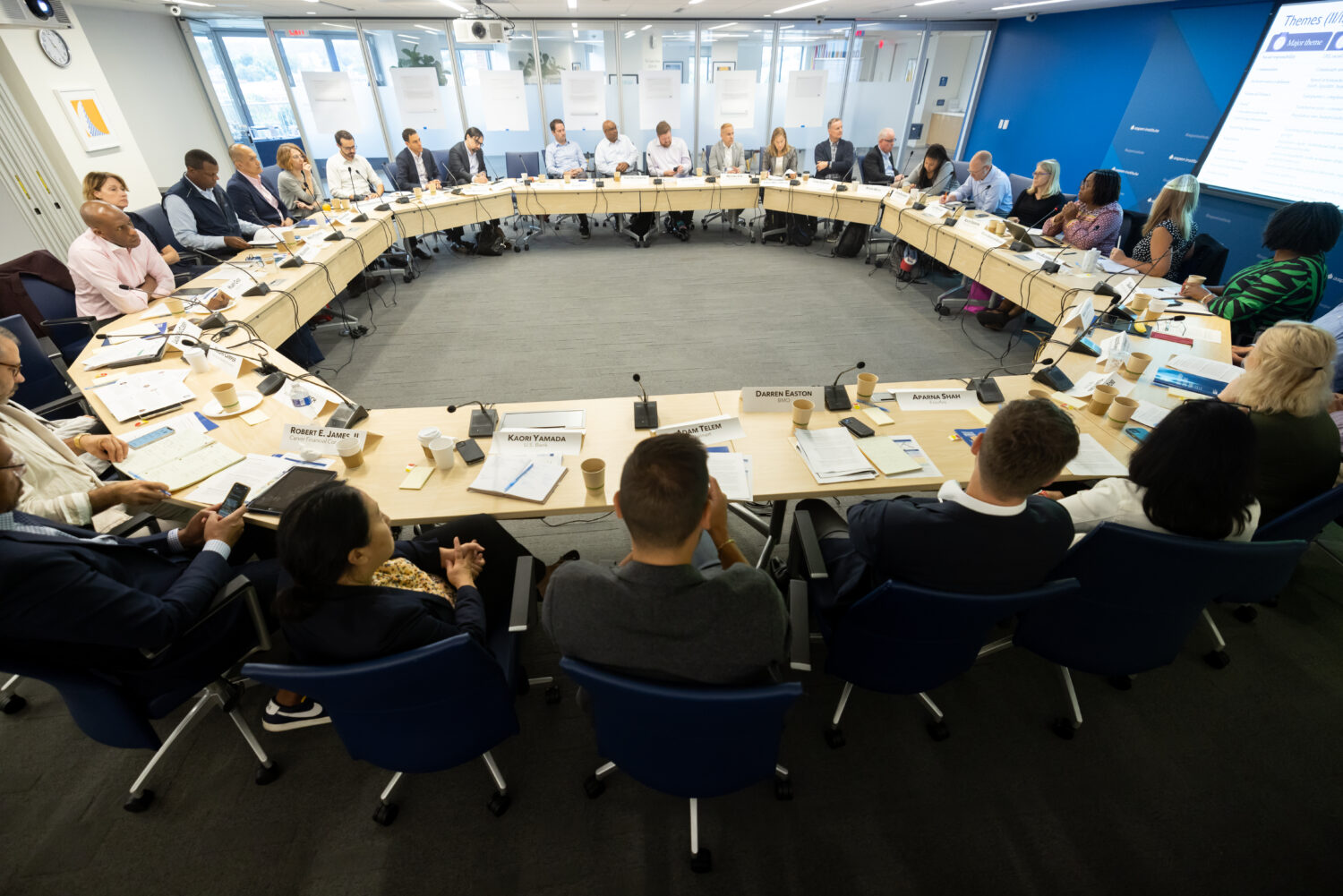
In early September, the Aspen Institute Financial Security Program team spent a busy week in San Francisco with public, private, and social sector leaders who are working tirelessly to disrupt scams and protect American households. What set this week apart was a palpable shift in momentum. We have moved past the years of defining and admiring the problem; technology builders and private sector leaders are now rapidly accelerating their efforts, building and deploying concrete solutions to stop scam activity.
“Our whole business depends upon people’s trust, and scams break that trust, so [we] will continue to invest in this.”
What We Heard at Our Solutions Forum for Scam Prevention
We kicked off the week by hosting “Impersonation, Interrupted: An Aspen Solutions Forum for Scam Prevention” before attending the Global Anti-Scam Summit America. The Solutions Forum, held under Chatham House rule, brought together technology builders and private sector leaders to showcase and discuss the technological tools they and their cross-sector peers are leveraging to detect criminals. What ensued was a robust discussion on utilizing technology to detect and disrupt scams, underscoring the ecosystem-wide shift toward action.
During this closed-door session, one company highlighted its ongoing efforts in ad verification, emphasizing that “our whole business depends upon people’s trust, and scams break that trust, so [we] will continue to invest in this.” The company reported that their high-friction enhanced verification requirements for advertisements in certain high-risk categories have enabled them to remove 95 percent of scam ads before a single user sees them.
Similarly, a telecommunications provider highlighted its efforts to close loopholes that enable scammers to exploit global telecom infrastructure. For example, the company monitors patterns characteristic of known threat actors such as purchasing physical devices in one state but requesting area codes from another, as well as behavioral signals, message volumes, and other intelligence. This monitoring enables them to disrupt scams early, before victims lose money.
Where We’re Seeing Momentum in the Field
We can see this shift to action publicly as well. In September, Amazon launched a new Alexa for Shopping feature designed to help protect consumers from scams. Upon receiving a communication from “Amazon” via any method of communication (text, WhatsApp, email, phone call, etc.) customers can ask Alexa for Shopping whether it was, in fact, Amazon contacting them. The tool utilizes artificial intelligence (AI) to compare the message a customer received against a record of every communication Amazon has sent, confirming whether it was Amazon. If it was not, the tool directs customers to report the message and provides safety tips and educational materials on scam prevention.
Other big companies are also rolling out new, innovative scam prevention features. With the recent release of iOS 27, Apple introduced a new framework called Trust Insights, which is designed to protect users against social engineering scams. The framework uses “privacy-preserving machine learning” to analyze interaction patterns, timing, context, and basic sensor data to detect potential scams in real time. When the technology identifies or suspects that a scam is occurring, the user will receive in-app warnings, delays, or additional verification steps, adding friction with the goal of preventing monetary losses. Developers are now able to integrate Trust Insights into their apps, providing additional scam prevention and consumer protection functionality.
“We haven’t seen anything yet. We are seeing the Nigerian prince version of what we will see two years from now. We aren’t prepared, and neither are our customers.”
Technology builders are equally energized, with fast-moving start-ups building innovative tools to expose, disrupt, and outsmart scammers at all stages of the scam lifecycle. For instance, some are developing AI-powered solutions to alert potential victims to a possible scam by screening calls from unknown numbers, filtering out text scams, and even analyzing live phone calls with behavioral AI. In the payment phase, fintech companies are building solutions that use AI to analyze the context of bank transfers and freeze scam payment before the money leaves the account. At the recovery stage, we heard from start-ups that are building automated, AI-driven transaction monitoring tools to track down and trace stolen digital assets as they move across different blockchains.
Moving Toward a Whole-of-Ecosystem Response
While each sector is building tools tailored to their own needs, companies are now actively sharing lessons learned and best practices within and beyond their own sector. For example, Amazon has said that they are willing to share the technology behind the Alexa for Shopping communication verification tool with other companies. At the same time, a growing number of strong bilateral partnerships are taking us toward the needed whole-of-ecosystem response.
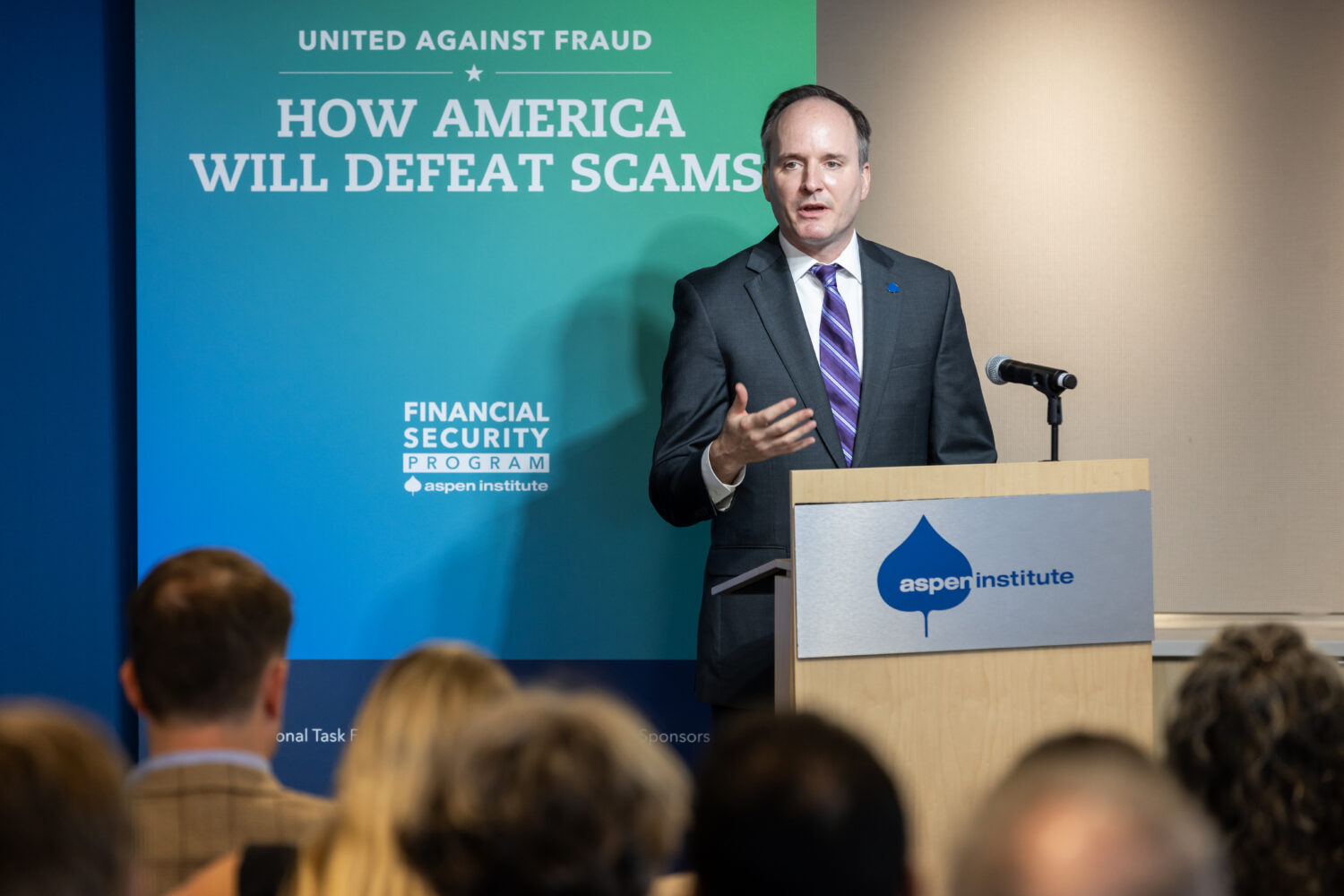
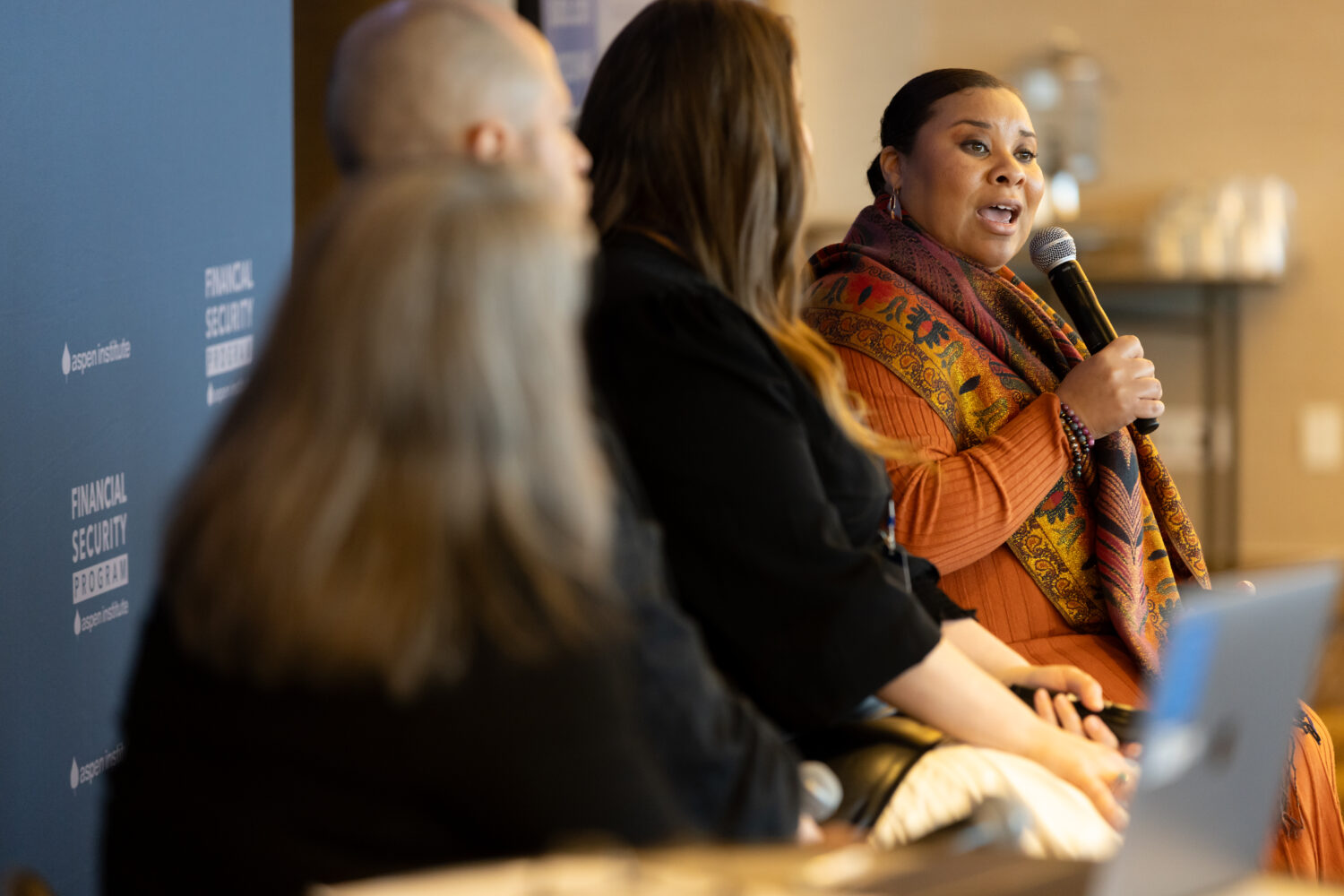
We wrapped up our week in San Francisco at the Global Anti-Scam Summit America, where leaders from across the ecosystem detailed concrete steps they are taking. A standout session highlighted state-level leadership and initiatives. During the panel, California Attorney General Rob Bonta provided an overview of the Anti-Robocall Litigation Task Force, which unites 51 attorneys general to prosecute telecommunications companies routing high volumes of illegal robocalls on U.S. networks. Utah Attorney General Derek Brown also introduced Utah’s new Financial Crimes Intelligence Center, which is designed to expand collaboration between investigators, prosecutors, financial analysts, and financial institutions. Ultimately, these programs highlight an important shift toward a true whole-of-ecosystem defense that harnesses the full capabilities of all levels of government and the private sector.
There is much to celebrate in the world of scam prevention, but more work remains until we start to see fewer consumer losses. The current scam industry is highly sophisticated and resilient, adapting rapidly to increased friction and exploiting the gaps in our defenses. As one participant in the Solutions Forum put it, “We haven’t seen anything yet. We are seeing the Nigerian prince version of what we will see two years from now. We aren’t prepared, and neither are our customers.”
To protect consumers from these current and emerging threats, we must continue to work toward a truly whole-of-ecosystem approach that disrupts the scam business model at all phases of its lifecycle, making it more difficult, costly, and riskier for scammers to operate.
Turning America’s Anti-Scam Strategy Into Action

Moving from Consensus to Consequence in Global Fraud and Scam Prevention
The White House Acts on Scams: What Comes Next
A Blueprint for Action: Lessons from the National Strategy to Prevent Scams with Nick Bourke

A Pervasive Threat: Analyzing Recent Survey Data on Fraud and Scams
United We Stand: A National Strategy to Prevent Scams
Five Forces of Change Shaping the Next Decade of Inclusive Finance