4 Models for Investing in Inclusively Owned Commercial Real Estate

Katherine Lucas McKay
Principal Researcher, Insights and Evidence
Across the country, community developers are spearheading new models of asset ownership that enable lower-income and lower-wealth investors to have ownership stakes in commercial and mixed-use real estate projects within their neighborhoods. In 2024, Aspen FSP convened seven of these leaders to form our first Wealth Innovation Cohort with the aim of better understanding and communicating the wealth-building potential of inclusively owned commercial real estate (CRE). Drawing on a year of peer learning, research, and the Cohort’s direct experiences, we have published four case studies that take a deep dive into four distinct inclusive CRE models pioneered by Wealth Innovation Cohort members and solidify inclusive CRE as a win-win scenario for social impact and community-based investors:
Combining Traditional Development Financing with Community Crowdfunding: The Chicago TREND Model
Chicago TREND crowdfunds community investors for its developments using the SEC-authorized platform SmallChange.co. Composed of for-profit and nonprofit entities, TREND leverages limited partners to provide flexible start-up capital and hopes to transition up to 49 percent of developments’ ownership to crowdfund investors in the future.
Helping Hundreds of Neighbors Move From Owing to Owning Together: The Community Investment Trust Model
Community Investment Trust uses a unique structure of nonprofit entities and an Oregon C Corporation, enabling it to access a blended capital stack of grants, debt, and equity. Community investors purchase shares via a custom platform and receive annual dividends from a commercial development in East Portland.
Resident-Led Real Estate Development in Eastside, Kansas City: The LocalCode Strategy
LocalCode Kansas City is a minority and woman-owned firm working to redevelop two mixed-use properties in Eastside Kansas City. It works with the national affiliate nonprofit LocalCode to build blended capital stacks from public incentives, philanthropy, investors, and low-interest debt.
Helping Low-Wealth Business Owners Buy the Spaces Where They Operate: The Partners in Equity Strategy
Partners in Equity functions as an investment firm, providing equity investment and connections to commercial mortgage financing to small business owners, helping them to purchase the property where they operate.
While achieved through different structures, these models share key outcomes:
- By creating pathways for residents, business owners, and other stakeholders to gain an ownership stake, inclusive CRE models increase the likelihood of a development’s success.
- With residents as engaged partners in the development process, inclusive CRE models help to surface and address issues that can lead to costly delays and jeopardize the success of a development.
- Residents are more likely to frequent, and protect, the businesses and infrastructure in commercial projects if they have a vested interest in their success.
- Outside investors benefit from inclusive CRE developers’ deep roots in their communities which enables them to proactively and preemptively mitigate risk.
Taken together with the primer Investing in Inclusively Owned Commercial Real Estate, these publications demonstrate proof of concept: Developing commercial property for inclusive ownership benefits developers, investors, neighborhood residents, and local economies. What is needed now is greater awareness among investors and more capital to enable growth and replication across the United States.
Gretchen Beesing and De’Sean Weber authored these case studies with contributions from Heather McCulloch and Katherine Lucas McKay. Aspen FSP thanks Prudential Financial and Sorenson Impact Foundation for their generous support.

Billions at Risk: What Drives Wealth Loss for Black Families

Innovations to Accelerate Rural Wealth Building

Colorado Essential Wealth Metric

Essential Wealth: A New Benchmark for Financial Security
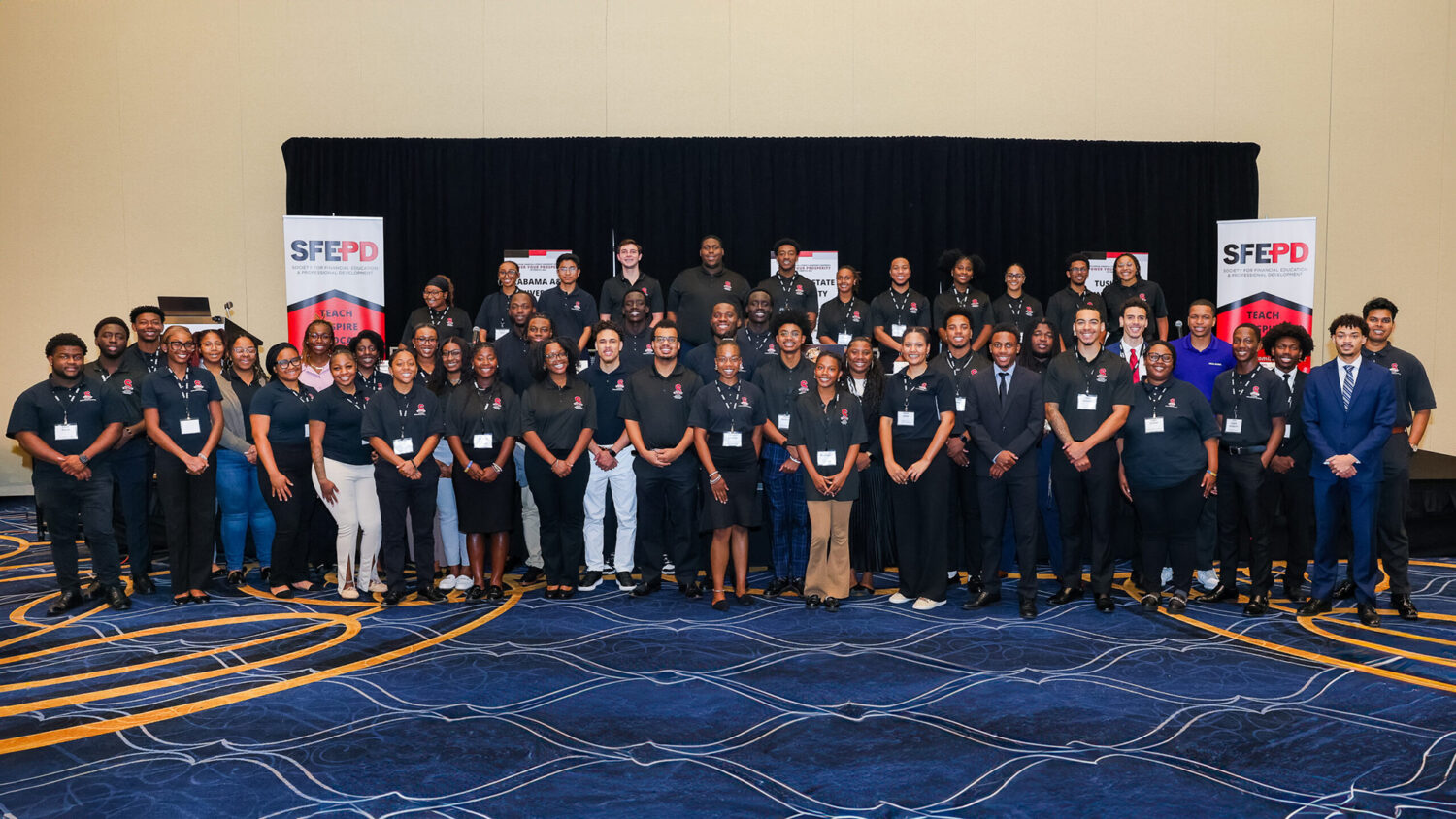
“Champions of Financial Literacy”: How SFEPD Is Helping the Next Generation Build Wealth

Colorado’s Tenant Equity Vehicle: A Pioneering Approach to Renter Wealth Creation
The World Is Watching: What Comes Next for 530A Accounts (“Trump Accounts”)

Growing the Pie: Lessons on Wealth Building with Devin Murphy

Families Need Wealth. But How Much Is Essential?