Investing in Inclusively Owned Commercial Real Estate

Katherine Lucas McKay
Principal Researcher, Insights and Evidence
Asset ownership is a key milestone on the path to long-term financial well-being, yet many American households have been locked out of traditional ownership opportunities such as real estate. As a result, the lower half of the wealth distribution owns just 3 percent of the nation’s total wealth. To flip this script, we need innovative ownership models that can provide all Americans with an on-ramp to wealth building. One emerging strategy in this space is inclusively owned commercial real estate (CRE), which opens commercial asset ownership to low- to middle-income investors.
Investing in Inclusively Owned Commercial Real Estate examines the potential of inclusively owned CRE to propel equitable economic development and community wealth-building. Informed by the insights of investors and Aspen FSP’s Wealth Innovation cohort, it highlights lessons from several pilot programs across the country. In each case, shared ownership of commercial properties has offered a win-win-win scenario for real estate developers, local residents, and large investors. A companion set of four case studies digs into the distinct models of four organizations—Chicago TREND, Community Investment Trust, LocalCode Kansas City and LocalCode, and Partners in Equity—highlighting opportunities for replication across the U.S. Building off of Aspen FSP’s The New Wealth Agenda framework, our analysis positions inclusive CRE as another tool in the wealth innovation toolbelt. This primer and case studies are designed to help stakeholders, particularly investors, understand how these projects democratize ownership, and deliver long-term wealth creation to individuals and communities. The transformative impacts of inclusive CRE are clear, but this strategy needs widespread investment to ensure communities nationwide can participate in and benefit from local commercial developments.
Aspen FSP thanks Prudential Financial and Sorenson Impact Foundation for their generous support of this work.
Wealth Innovation
At Aspen FSP, our Wealth Innovation portfolio identifies and explores wealth-building opportunities spanning employer-provided emergency savings programs, retirement savings, early wealth building accounts, and real estate investment. Advancing the vision put forth in The New Wealth Agenda, our goal is to increase by tenfold the wealth of households of color and those in the bottom half of the wealth distribution in the United States by 2050. The resources below underline the breadth of solutions that, if scaled, have the potential to move beyond merely managing household financial scarcity to creating the conditions of security and well-being that will enable full participation, agency, and dignity in our economy and democracy.

Billions at Risk: What Drives Wealth Loss for Black Families

Innovations to Accelerate Rural Wealth Building

Colorado Essential Wealth Metric

Essential Wealth: A New Benchmark for Financial Security
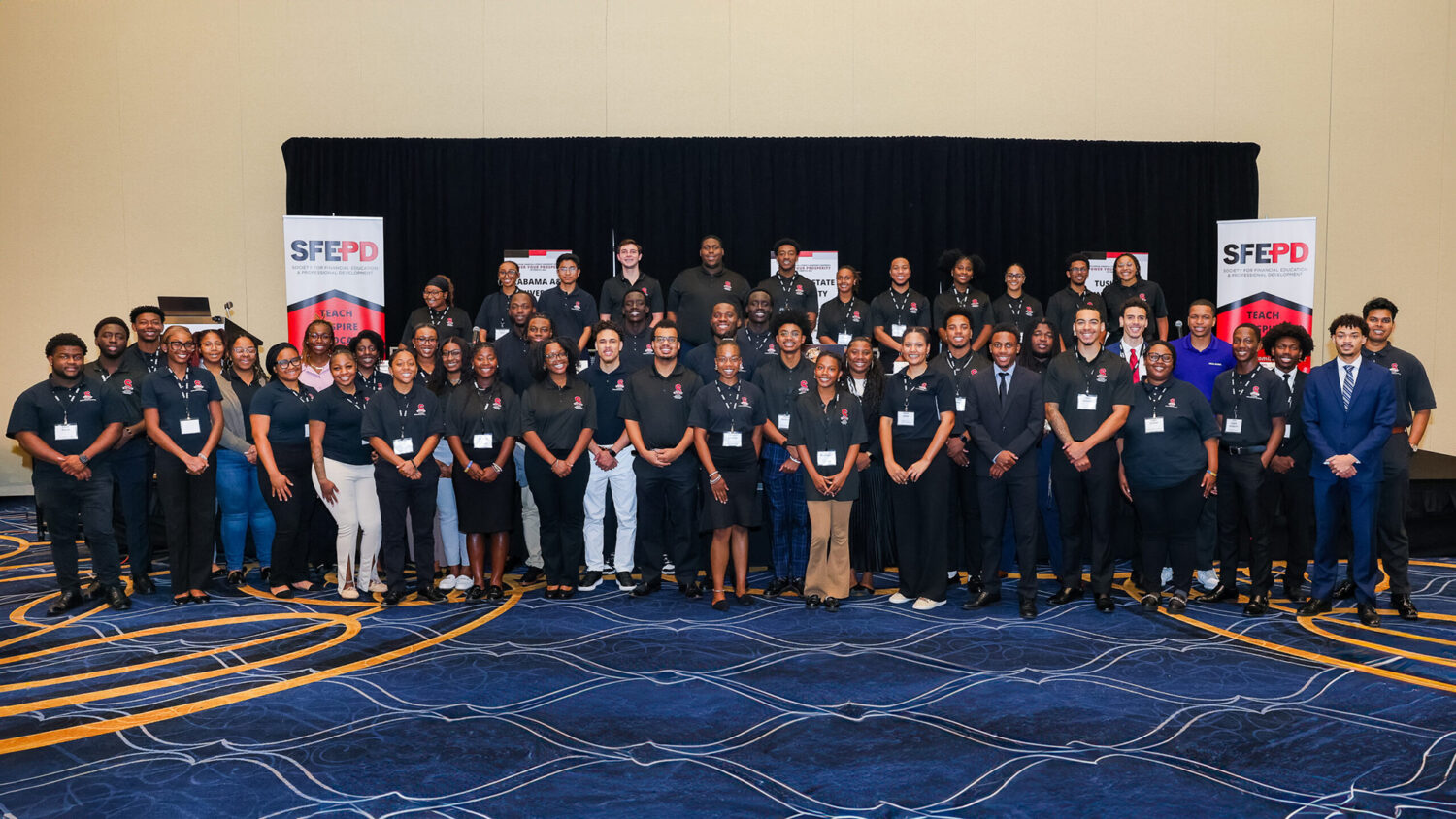
“Champions of Financial Literacy”: How SFEPD Is Helping the Next Generation Build Wealth

Colorado’s Tenant Equity Vehicle: A Pioneering Approach to Renter Wealth Creation
The World Is Watching: What Comes Next for 530A Accounts (“Trump Accounts”)

Growing the Pie: Lessons on Wealth Building with Devin Murphy

Families Need Wealth. But How Much Is Essential?