Aspen is a place for leaders to lift their sights above the possessions which possess them. To confront their own nature as human beings, to regain control over their own humanity by becoming more self-aware, more self-correcting, and hence more self-fulfilling.
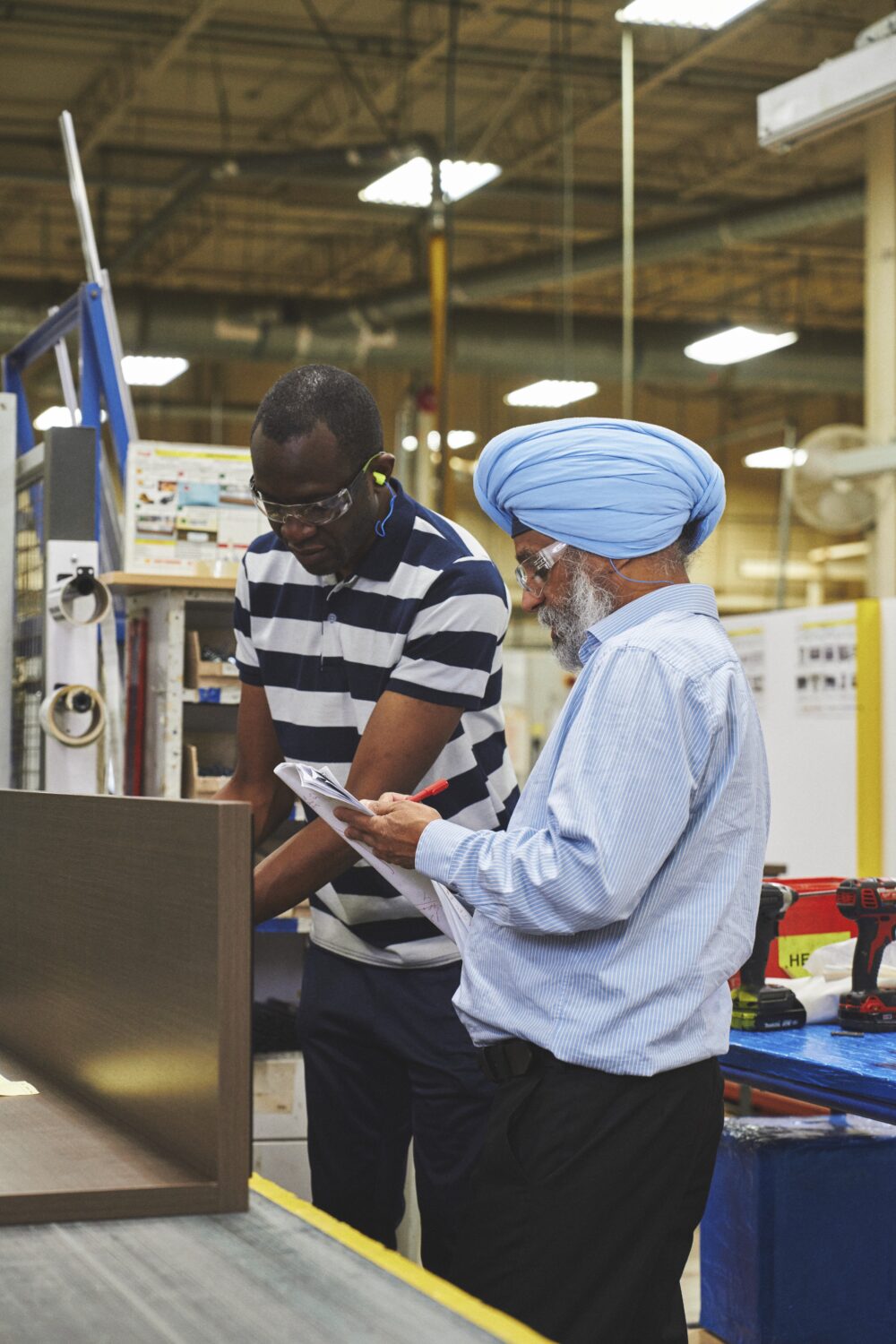
Small and medium-sized businesses (SMBs) are a big part of the US economy, employing nearly half of all workers and generating over $5.9 trillion in economic activity each year. But many of these businesses struggle to find and keep skilled employees, especially as jobs change and new skills are needed. In fact, experts predict that by 2030, almost 40% of the skills people use at work today will be different. Despite these challenges, SMBs often don’t have the time, money, or information they need to invest in training to support their employees in meeting needs of the business today or in the future. This makes it harder for SMBs to compete and grow.
This publication, “Early Lessons in Upskilling for Small and Medium-Sized Business Leaders,” shares insights from a national survey and conversations with business leaders about the state of workforce training in SMBs. It highlights the biggest challenges, like lack of awareness and limited resources, as well as the benefits, including higher retention, increased advancement, and improved business performance. With many older workers retiring and industries changing fast, now is the time to focus on helping SMBs to train and support their teams for the future.
UpSkill America, an initiative of the Economic Opportunities Program, supports employers and workforce organizations to expand and improve high-quality educational and career advancement opportunities for America’s front-line workers.
About the Economic Opportunities Program
The Aspen Institute Economic Opportunities Program advances strategies, policies, and ideas to help low- and moderate-income people thrive in a changing economy.
Join Our Mailing List
To receive occasional emails about our work — including new publications, commentary, events, fellowships, and more — join our mailing list.
This resource is designed to help colleges and universities become more employer-friendly and build the kind of institutional capacity that sustains and grows partnerships while simultaneously better serving working learners. It offers role-specific guidance for leaders across the institution, a self-assessment spanning five domains of practice, and a process for turning results into action, grounded in the conviction that institution/employer partnerships can become easier without compromising academic missions.
Bridge, Propel, and Career Academy are built on a practical philosophy: that MillerKnoll has great talent already inside the organization. Finding that talent, developing it, and aligning it to the right opportunities is key to its success. T
States invest in work-connected learning through dozens of distinct funding streams, grant programs, and agency initiatives, often developed independently over time by different administrations and agencies pursuing different goals.
To create a future-ready workforce system, we must move beyond outdated credentials and analog processes to one that is skills-first, transparent, data-driven, and aligned with the evolving needs of workers, educators, and employers.
This publication examines how fragmented skills, credentialing, and workforce data systems limit the potential of skills-based hiring and advancement, and outlines a shared vision for building the interoperable infrastructure needed to create a connected skills ecosystem that benefits workers, employers, educators, and governments.
In this interview, Chelsea Miller of Upskill America speaks with Nick Greif of InStride about how employers can design education benefits that are more accessible, strategic, and aligned with workforce goals.
Putting people at the center of the systems we are building means accepting that career paths are rarely linear. It requires us to build infrastructure that accommodates life transitions, recognizes informal learning, and values a worker’s agency over their own data.
This is the final event in our Job Quality in Practice series. In this conversation, hosted by the Aspen Institute Economic Opportunities Program on May 7, 2026, we hear from the Institute’s Job Quality Fellows who are embedding job quality into their work across a range of contexts and strategies — from employee ownership models that give workers a direct financial stake in their company’s success, to apprenticeship programs that create structured pathways to higher-wage careers, to worker advisory committees that bring employee voice into business decision-making.