Three lessons from working with good people in a tough situation

Subscribe to Weave’s Newsletter
This story was originally published on Weave’s newsletter. Every week, you’ll get resources on how to weave our communities and restore social trust.
The most common question we get in Weave’s inbox is “How do I start weaving my community?” It’s not obvious and there are as many answers as there are neighborhoods.
In some places, all it takes to get neighbors to start tackling shared issues and build relationships with one another is to knock on doors and invite folks to a potluck or block party. In other places, the challenges of the neighborhood can feel overwhelming. I know this firsthand.
Every weekend, several friends and I mentor a group of teenagers in Washington, DC. They are bright, happy kids brimming with potential. If we lived in a different neighborhood, we’d probably spend most of our time planning fun things to do together, doing service, and working on their future, like exploring careers and choosing colleges to visit.
A lot of our time, though, we spend having hard conversations. These kids have all been touched by violence and crime, either as victims or perpetrators. Some made stupid mistakes that have hurt others and could permanently affect their futures. Others have lost friends and family members to violence. One was recently shot in a drive-by shooting and barely survived.
We live on the east side of the Anacostia River in Washington, DC. It’s an area of the city that has been historically neglected and under-resourced. In the neighborhood where we meet, called Northeast Boundary, the only community space is a rec center that is inexplicably closed on the weekends and most of the summer. During the year, it doesn’t run any after-school activities for youth.
With few opportunities, safe places, and community events, frustration rises with the summer heat. Teens and their parents become angry and feel disconnected. Neighbors tell us that they can’t talk to folks a block over because of past conflicts that still sting. Teens get drawn into criminal activity and often make bad decisions in their desire to feel they belong and matter.
So, when I’m asked, “How do I start weaving?” I share three lessons I’ve learned over the years that I believe apply to any community, even one with as many challenges (and opportunities!) as mine.
- Just start something – even if no one joins at first. We started our youth group with one teen. As we built trust with him and our neighbors, they invited others to join us and we grew. It’s not perfect. Some have left the group. Some teens disappear for weeks at a time, then suddenly start attending again. But they know we will be there when they are ready. In Baton Rouge, LA, Marie Constantin kept at it alone for almost a year and then ended up with hundreds joining her.
- Trust takes time. Don’t expect neighbors to trust you immediately just because you have good intentions. It’s slow work that starts by showing up. We regularly walk the neighborhood and meet people. We’ve held open houses, events, and cookouts with the teens helping. We stop to have conversations. We do service activities with the kids, like cleaning the streets. In Barbourville, KY, Josh Cole spent weeks visiting folks and asking about sick cats to build trust. Be patient. It’s hard to break down the barriers that keep us divided.
- Community is never perfect. Every person and community has their own challenges. We don’t always show up being our best. People make mistakes and while it’s important to strive to raise the bar, you have to be ok with people being messy, loud, or a bit obnoxious. The group Camerados has a wonderful set of principles they ask of those who come to their Public Living Rooms. Two are: “No fixing, just be alongside” and “It’s ok to be a bit rubbish sometimes.”
Weaving is not easy or fast, but it’s almost always worth it. You gain much more than you give. My neighborhood faces many challenges, yet it’s filled with some of the most caring and loving people I’ve ever met. It’s our chosen home and we want to make it a thriving one for all of us.
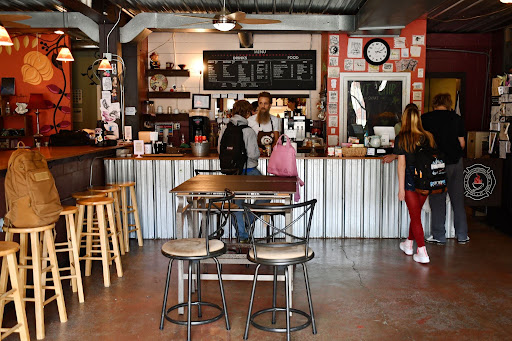
<strong><strong>In rural Missouri, a student-run coffee shop brews belonging across generations</strong></strong>

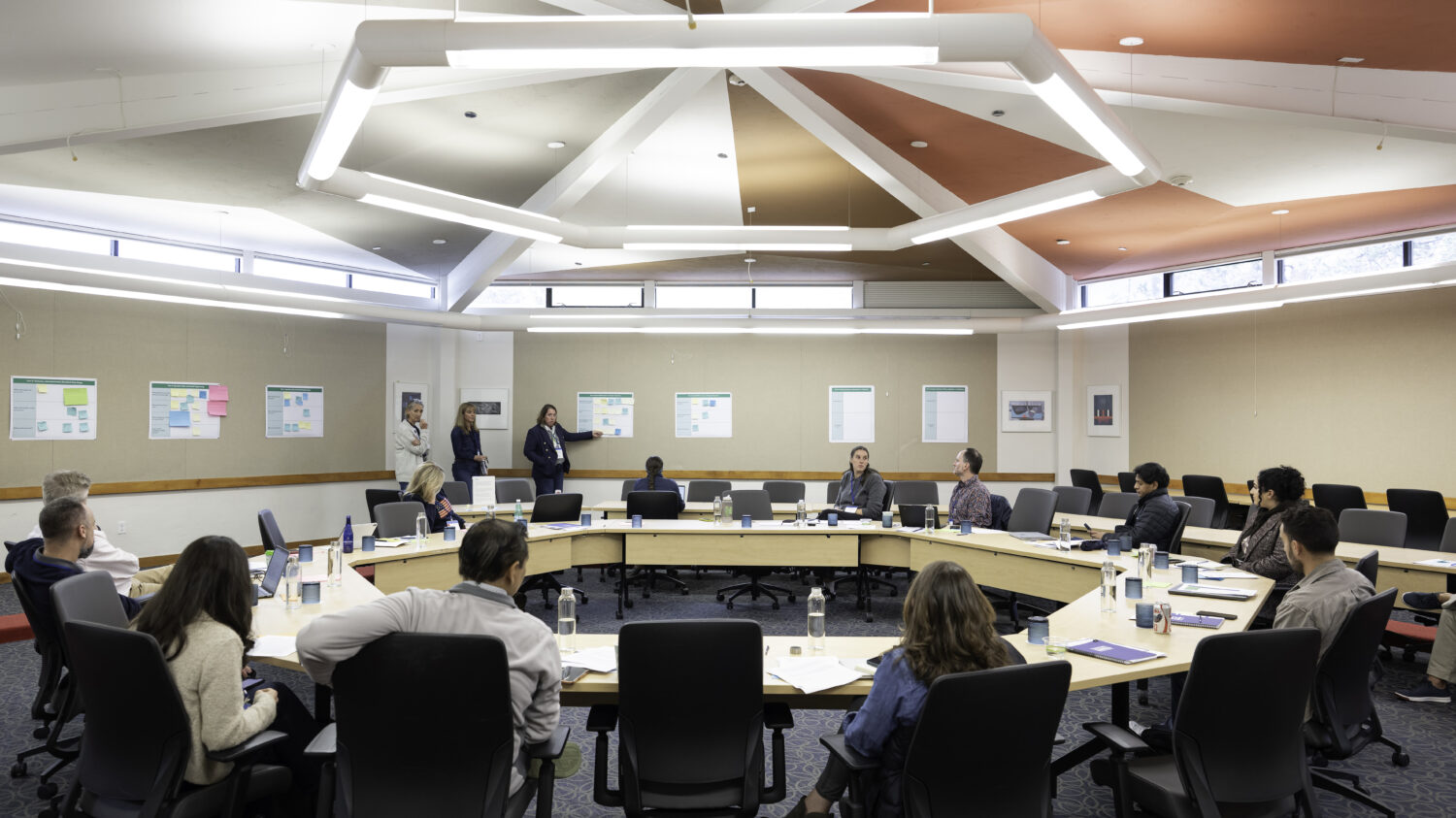
The Solutions Bringing Us Closer to a Whole-of-Ecosystem Response to Scams
Design of Business Takes on Radical Collaboration, Recorded Live in Aspen: A Guide to the DB|BD Season
What Are You Teaching Me Today?
Helping Afghan women gain freedom in Arkansas
Know a Courageous Leader Taking On a Critical Issue? Nominate Them for the McNulty Prize & Catalyst Fund