Aspen is a place for leaders to lift their sights above the possessions which possess them. To confront their own nature as human beings, to regain control over their own humanity by becoming more self-aware, more self-correcting, and hence more self-fulfilling.
Your support helps the Economic Opportunities Program advance research, partnerships, and solutions that expand opportunity and promote inclusion for low- and moderate-income people.
We would like to extend our deepest appreciation to the organizations and individuals who have supported our work over the years, including the following who have made contributions since 2020.
Gates Foundation
Walmart
W.K. Kellogg Foundation
JPMorgan Chase Foundation
Surdna Foundation
James Irvine Foundation
Prudential Foundation
Cognizant U.S. Foundation
Ralph C. Wilson, Jr. Foundation
Ford Foundation
Amazon.com, Inc.
The Harry and Jeanette Weinberg Foundation, Inc
Panorama Global
SVB Private Bank
Sorenson Impact Foundation
Tides Foundation
Omidyar Network Fund
Annie E. Casey Foundation
Strada
Snap-on
Trellis Foundation
Lumina Foundation
The Urban Institute
Friedman Family Foundation (CA)
Amalgamated Charitable Foundation
The Walmart Foundation
Families and Workers Fund
Walt Disney Company
Disney Worldwide Services, Inc.
Bloomberg LP
Empower the User
World Resources Institute
Fidelity Investments
F.B. Heron Foundation
UBS
Zenas Wilson Household
Stacy Barnes Household
Mike and Ruth Lipper Household
About the Economic Opportunities Program
The Aspen Institute Economic Opportunities Program advances strategies, policies, and ideas to help low- and moderate-income people thrive in a changing economy.
Join Our Mailing List
To receive occasional emails about our work — including new publications, commentary, events, fellowships, and more — join our mailing list.
This endline evaluation of the Shared Success demonstration aims to understand the impact of the work of the 11 community lenders who integrated job quality programming into their small business support services.
We get it right when we focus on fundamentals: recognize that job quality matters more than job quantity; center care work as essential to economic function; build coalitions across labor, technology policy, and civil society; understand that flexibility without security is precarity; remember that workers are also caregivers, creatives, and civic leaders.
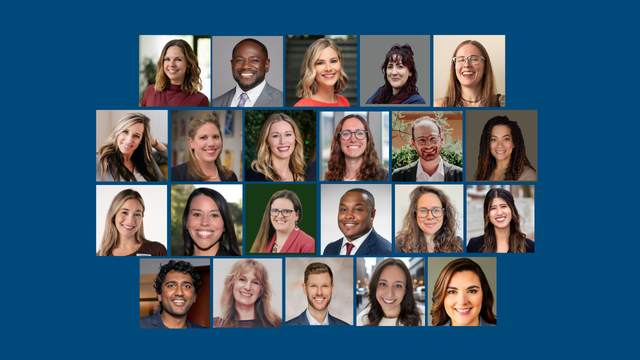
“We are delighted to welcome this new class of Fellows,” said UpSkill America Senior Director Haley Glover. “Supporting these leaders, who are joining a thriving community of alumni, to advance in their work and careers creating real value for their organizations and opportunities for their workforces is so rewarding. This is an incredibly impressive group.”
We’re in the last month of our #JobQuality survey. If your org is improving #JobQuality, add your voice to this survey from The Aspen Institute Economic Opportunities Program by December 31st.