Aspen is a place for leaders to lift their sights above the possessions which possess them. To confront their own nature as human beings, to regain control over their own humanity by becoming more self-aware, more self-correcting, and hence more self-fulfilling.
With more than 40% of workers in the US employed by businesses with more than 1,000 employees, many look to the outsized influence these employers can have on how we design work and jobs. As a result, engaging and collaborating with these businesses where possible is necessary to improving job quality and working conditions.
While their size and scale offers job quality practitioners the potential for big changes, engaging large businesses in job quality and strategies that improve conditions for their workforces presents unique challenges as well. Complex decision-making processes and implementation challenges, wide-ranging organizational needs and incentives, and an array of other potential barriers can make it difficult to navigate for those looking to engage and collaborate with big businesses on improving job quality.
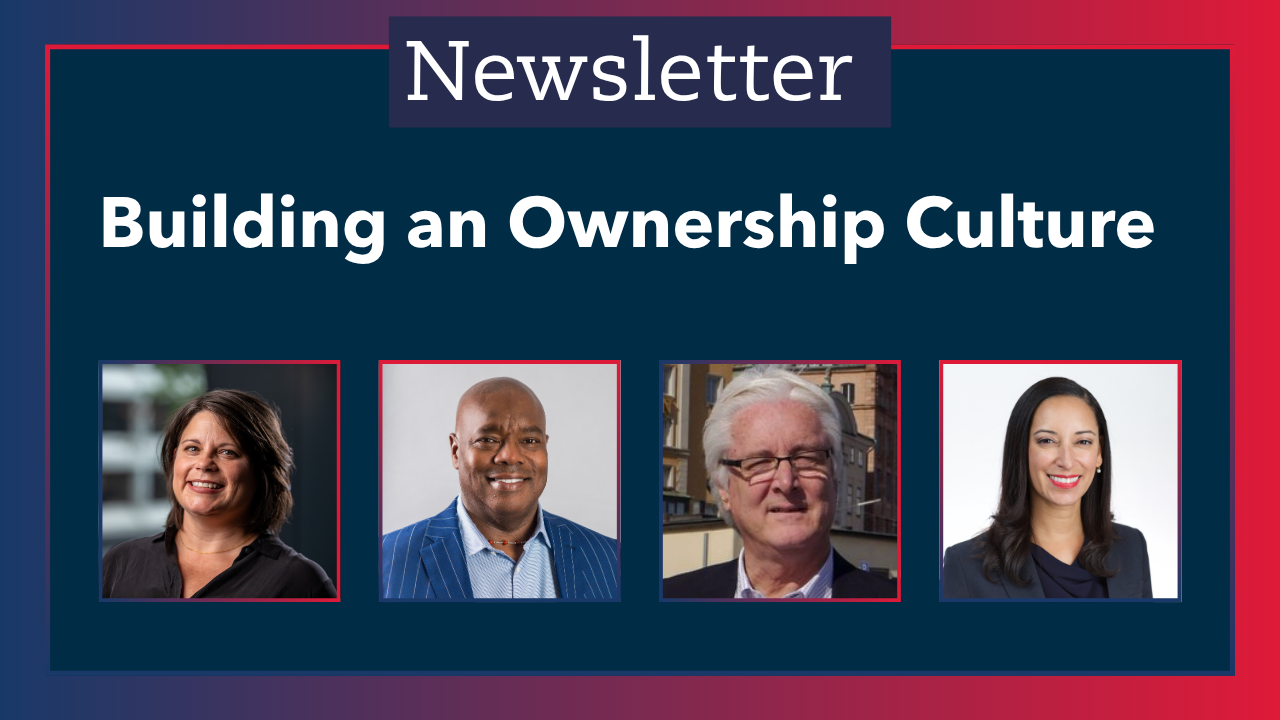
In this event — hosted by the Economic Opportunities Program on October 9, 2025 — we examine the challenges and strategies for engaging and supporting large businesses in actively influencing positive economic outcomes for their employees. Our speakers include Ellen G. Frank-Miller (Founder & CEO, Workforce & Organizational Research Center), Scotland Nash (Director, Talent Rewire, FSG), Cindy Williams (Executive Director, WorkLife Partnership), and moderator Matt Helmer (Director, Job Quality and Worker Well-Being, Economic Opportunities Program, The Aspen Institute).
The Aspen Institute Economic Opportunities Program advances strategies, policies, and ideas to help low- and moderate-income people thrive in a changing economy.
Join Our Mailing List
To receive occasional emails about our work — including new publications, commentary, events, fellowships, and more — join our mailing list.
States invest in work-connected learning through dozens of distinct funding streams, grant programs, and agency initiatives, often developed independently over time by different administrations and agencies pursuing different goals.
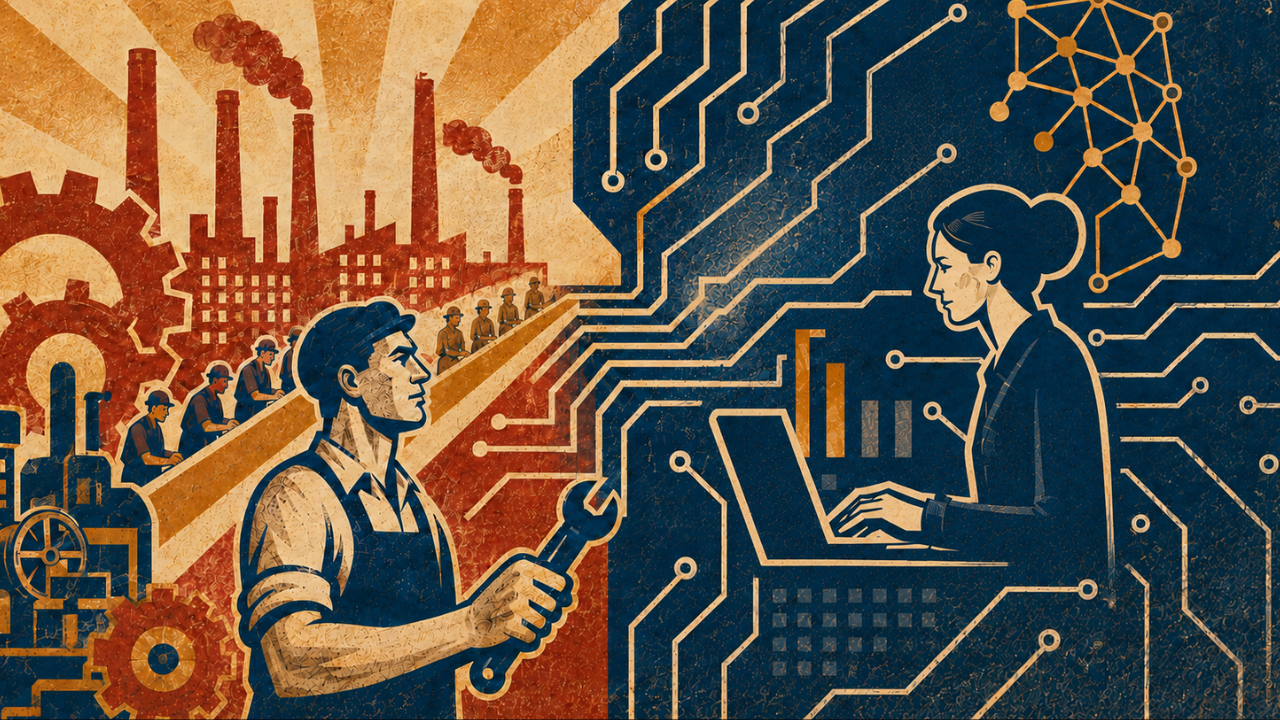
“Social contract” has quickly become one of the most-used, least-defined phrases in the AI policy conversation. This first event in a two-part series will trace the origin and history of the American social contract, examining how work became the anchor of economic security, mobility, and civic identity in the United States.
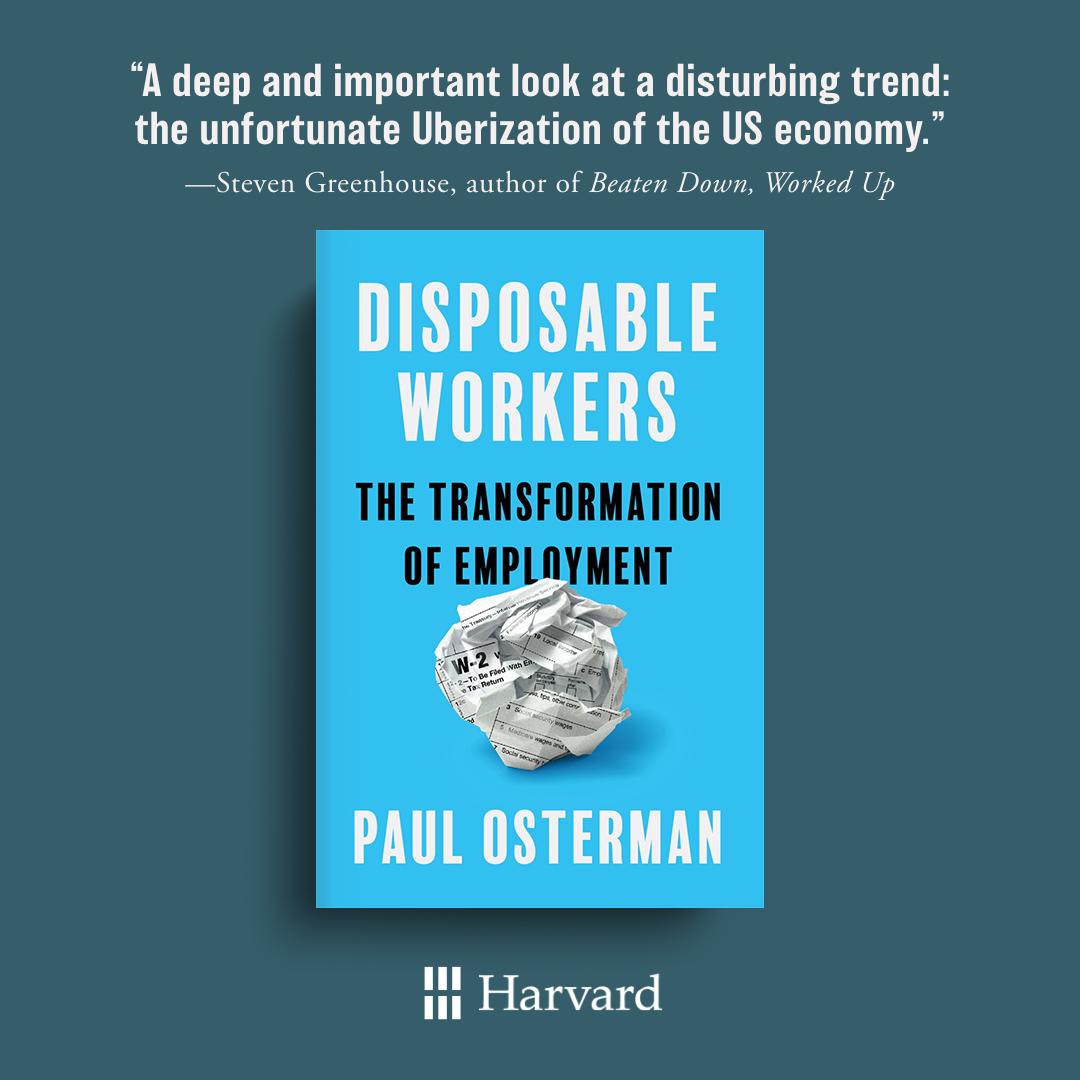
For decades, economists and policymakers have debated how to help workers get better jobs. But what if the more fundamental problem is that employers have systematically redesigned work itself to make a third of the workforce expendable? In his forthcoming book, “Disposable Workers: The Transformation of Employment,” MIT Sloan Professor Emeritus Paul Osterman examines this idea and what it would take to reverse it.
To create a future-ready workforce system, we must move beyond outdated credentials and analog processes to one that is skills-first, transparent, data-driven, and aligned with the evolving needs of workers, educators, and employers.