Economic Opportunities Program Monthly Digest — July 2025
The Aspen Institute Economic Opportunities Program (EOP) advances strategies, policies, and ideas to help low- and moderate-income people thrive in a changing economy.
We are pleased to present a selection of our work from the past month. If a colleague forwarded this email to you, consider subscribing to our mailing list or connecting on social media. To learn more about our work, visit aspeninstitute.org/eop.
Publications
The following three publications were created in partnership with Shared Success grantee Northern Initiatives:
- Building Trust: Creating Jobs People Want to Keep
- Guide to Hiring: Do’s and Don’ts To Consider
- Creating an Employee Onboarding Plan
Commentary
Blog Posts
- Freedom’s Unfinished Work: How To Support Workers This Independence Day by Maureen Conway
- The Future of Labor: Rethinking the Playbook by Brunswick Group’s Mara Riemer, Hannah-Page Salisbury, and Bri Murphy for our Future of Work Initiative
- Unlocking Opportunity: How Tax Policies Like Section 127 Can Drive Employer Partnerships by Chelsea Miller, UpSkill America, and Amy Heitzman, UPCEA
- Local Leaders Advancing Workforce Development by Maureen Conway and Dee Wallace, Workforce Leadership Academies
Newsletters
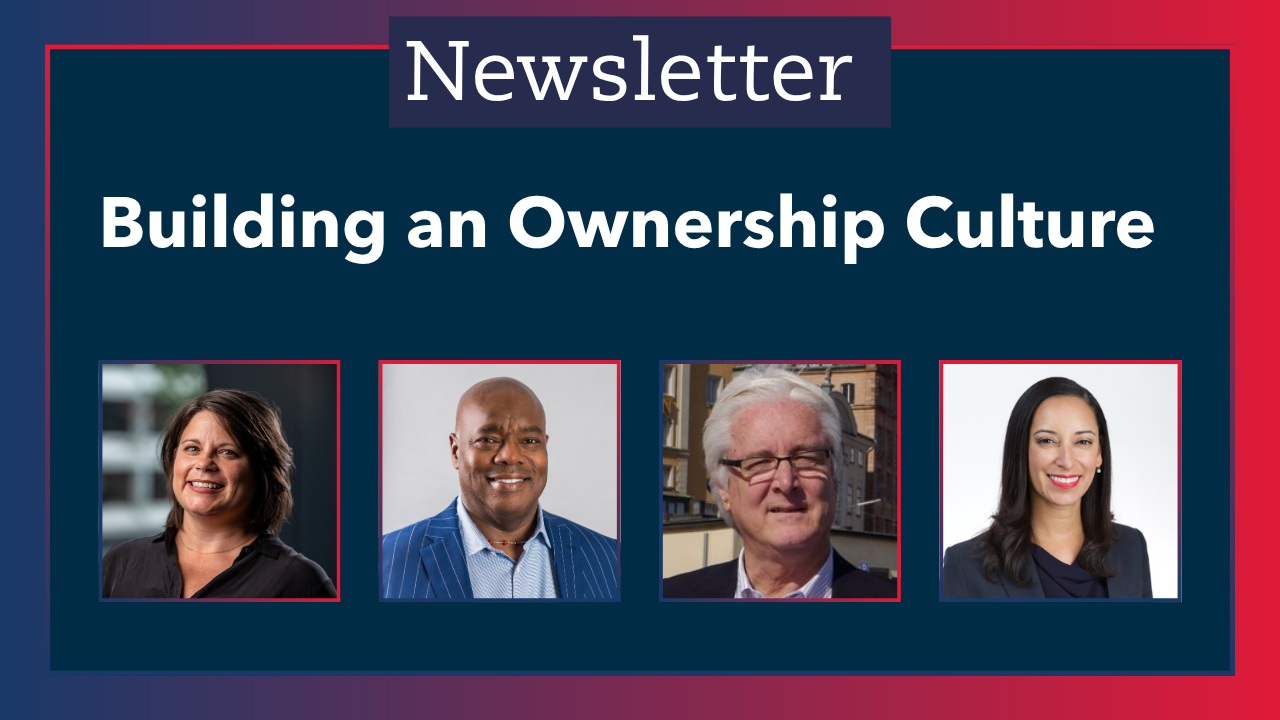
- Resource Roundup — Algorithmic Management by Maxwell Johnson
- Job Quality Newsletter — Strategies to Fix Work by Matt Helmer
- Economic Opportunities Program Monthly Digest — June 2025
Videos
Advising Small Businesses on Job Quality: Lessons from CDFIs
- Building Capacity to Support Job Quality Advising — Delphine Ntegeye, African Development Center
- Why This Toolkit Matters: The Value of the Job Quality Advising Guide — Cynthia Murphy, Coastal Enterprises, Inc.
- Coaching Small Businesses on Job Quality from Day One — Amanda Blondeau, Northern Initiatives
Fixing Work: Recent Lessons from the Field
- Good Jobs Don’t Happen by Accident: Job Quality is a System — Renise Walker, Colorado Workforce Development Council
- There’s No Such Thing As Undignified Work, Only Undignified Conditions — Adam Kader, ARISE Chicago
- Fixing Work Means Sharing Ownership: How Employee Ownership Transforms Businesses and Lives — Evan Edwards, Project Equity
Feeling the Heat: Workplace Safety in a Warming World
Podcasts
Advising Small Businesses on Job Quality: Lessons from CDFIs
Fixing Work: Recent Lessons from the Field
Feeling the Heat: Workplace Safety in a Warming World
Employee Ownership Ideas Forum 2025: From Workers to Owners
Hosted in partnership with the Rutgers Institute for the Study of Employee Ownership and Profit Sharing. We are releasing audio from the forum as a weekly mini-series on our podcast. Subscribe today on Apple Podcasts, Spotify, or another platform of your choice.
- ESCA President Stephanie Silverman Speaks at the 2025 Employee Ownership Ideas Forum
- JPMorgan Chase & Co.’s Gwyneth Galbraith Speaks at the 2025 Employee Ownership Ideas Forum
- Joseph Blasi and Maureen Conway Give Closing Remarks at the 2025 Employee Ownership Ideas Forum
In the News
Empowering Workers by Expanding Employee Ownership. Dr. Joseph Blasi of Rutgers University cites our work on employee ownership, speaking before the U.S. Senate Committee on Health, Education, Labor, and Pensions.
B Corps top 1m employees, as report shows they outperform peers on providing good jobs. Writing for Pioneers Post, author Laura Joffre references our framework on good jobs and job quality.
Bloomberg Beta’s Roy Bahat on Responsible AI in the Workplace. Roy Bahat, chair of the Aspen Business Roundtable on Organized Labor, highlights the work of the Roundtable in a conversation with the Edelman Trust’s Justin Blake.
Upcoming Events
- September 4 — The Future of Equal Opportunity (online).
About the Economic Opportunities Program
The Aspen Institute Economic Opportunities Program advances strategies, policies, and ideas to help low- and moderate-income people thrive in a changing economy.
Join Our Mailing List
To receive occasional emails about our work — including new publications, commentary, events, fellowships, and more — join our mailing list.
Connect on Social Media
For news and updates every day, connect with us on the social media platform of your choice.
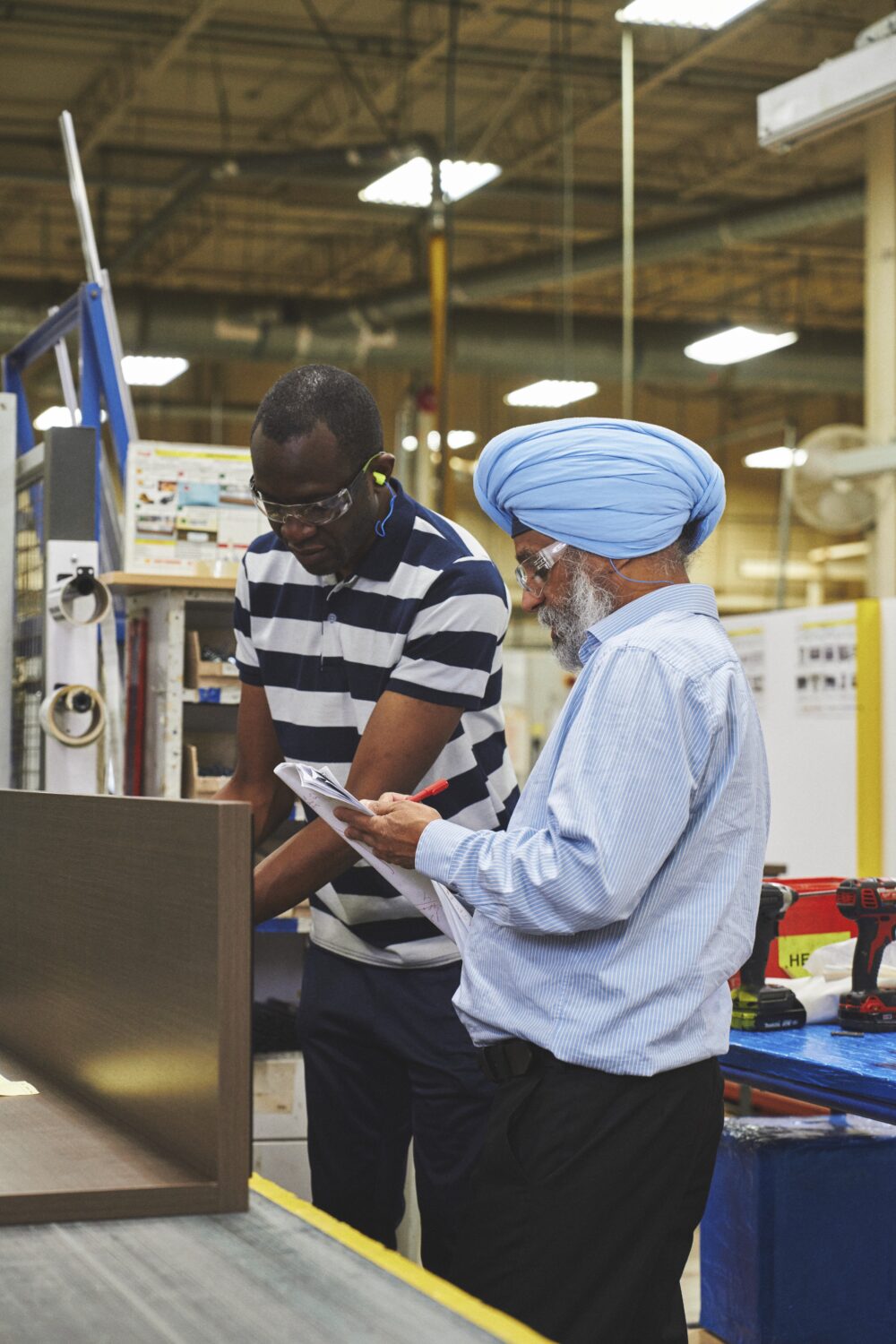
MillerKnoll: Developing Operations Leaders from Within and Beyond — A Case Study in Structured Talent Development

A Typology of State-Supported Work-Connected Learning Programs


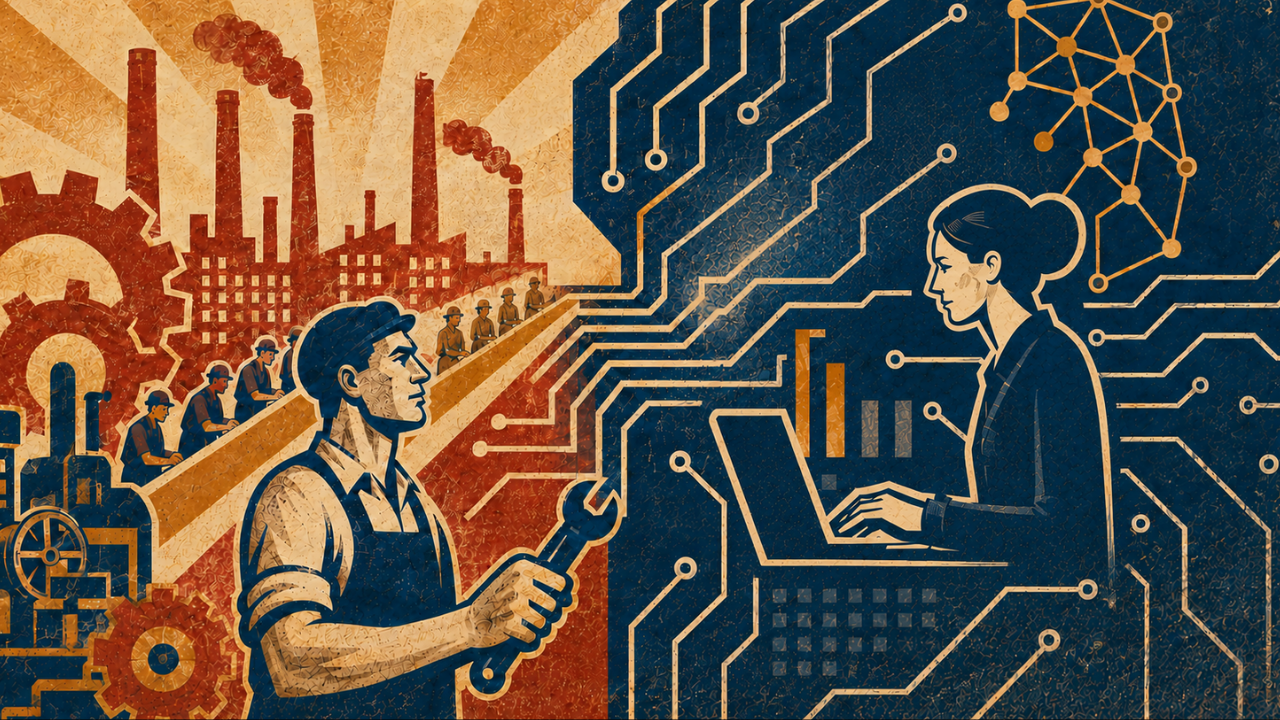
Work and the Social Contract in the Age of AI: How did we get here?