Aspen is a place for leaders to lift their sights above the possessions which possess them. To confront their own nature as human beings, to regain control over their own humanity by becoming more self-aware, more self-correcting, and hence more self-fulfilling.
Join us as we imagine what widespread, inclusive, employee ownership could mean for the country and rebuilding the American Dream. Please note that if you plan to attend virtually and wish to participate both days, you will need to register separately for each day.
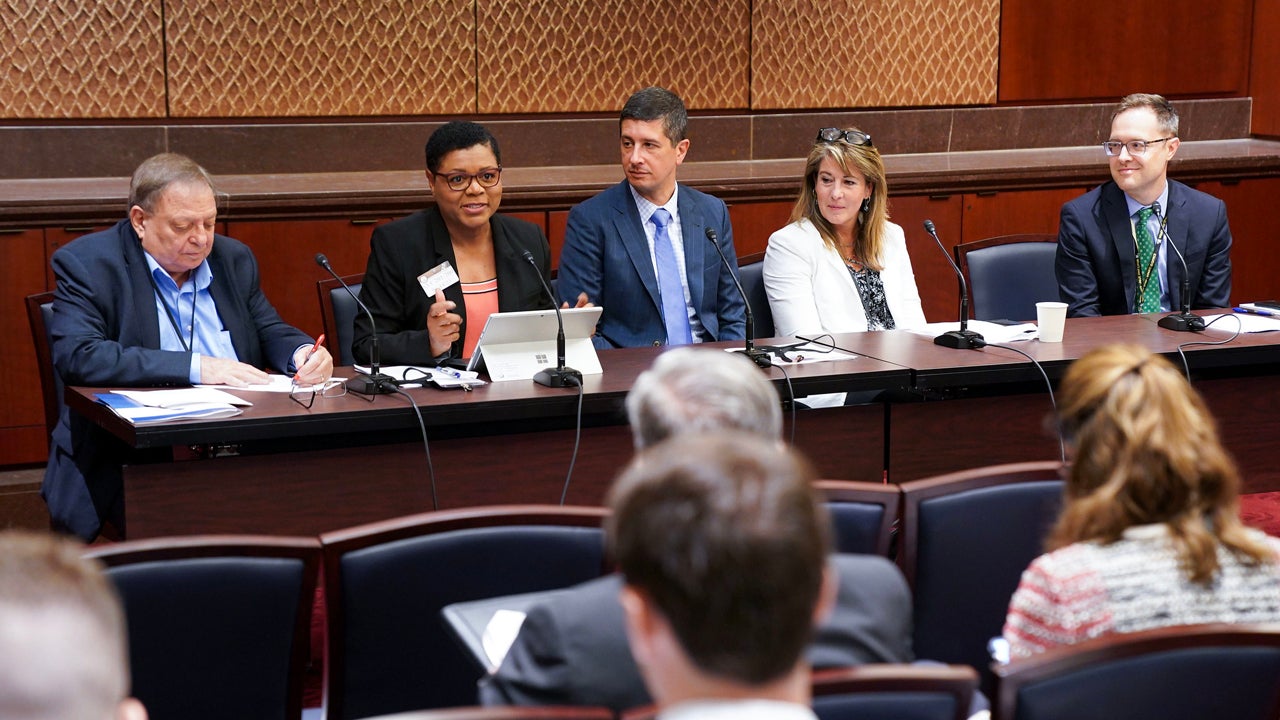
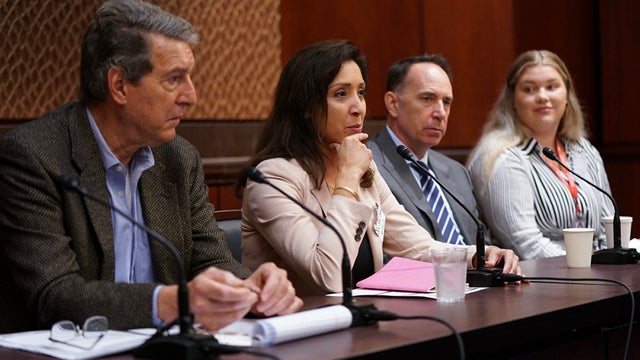
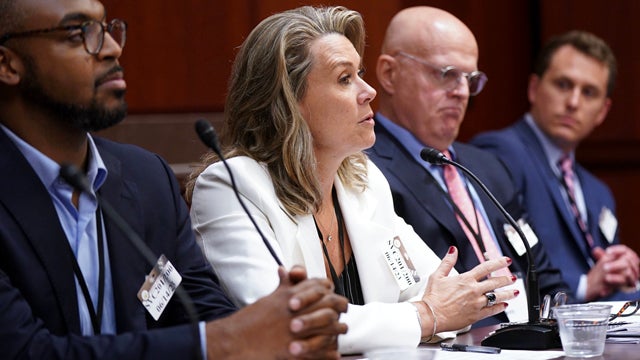
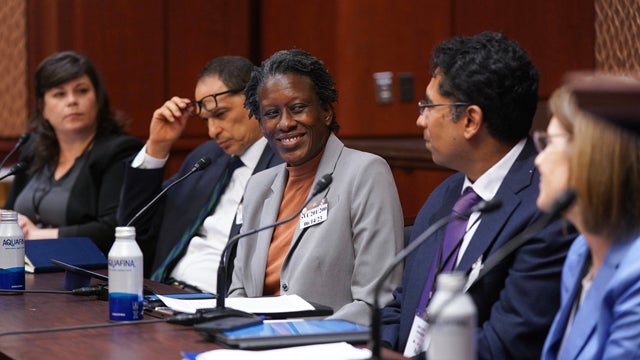
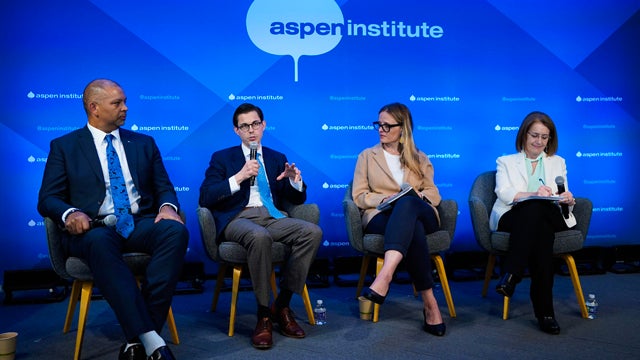
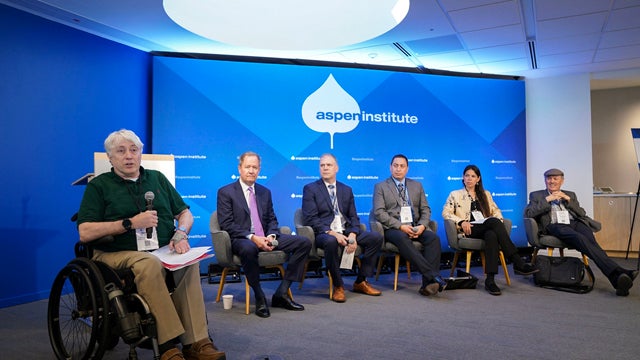
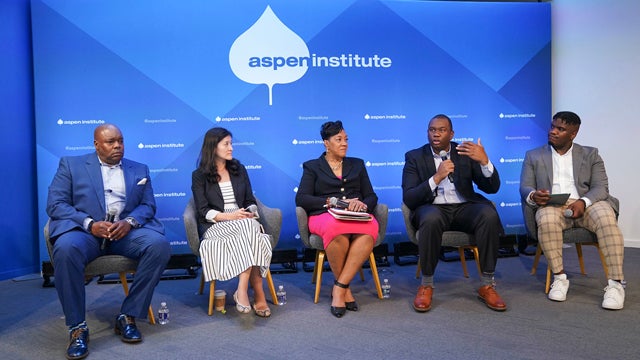
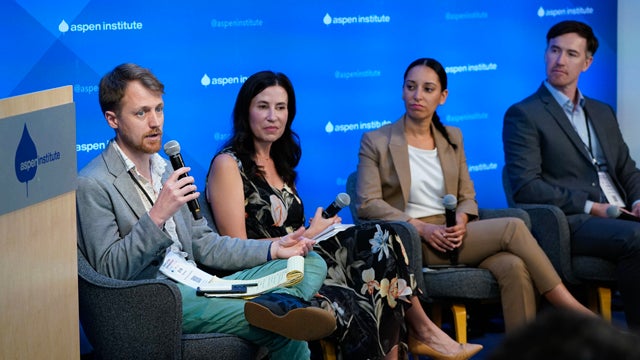
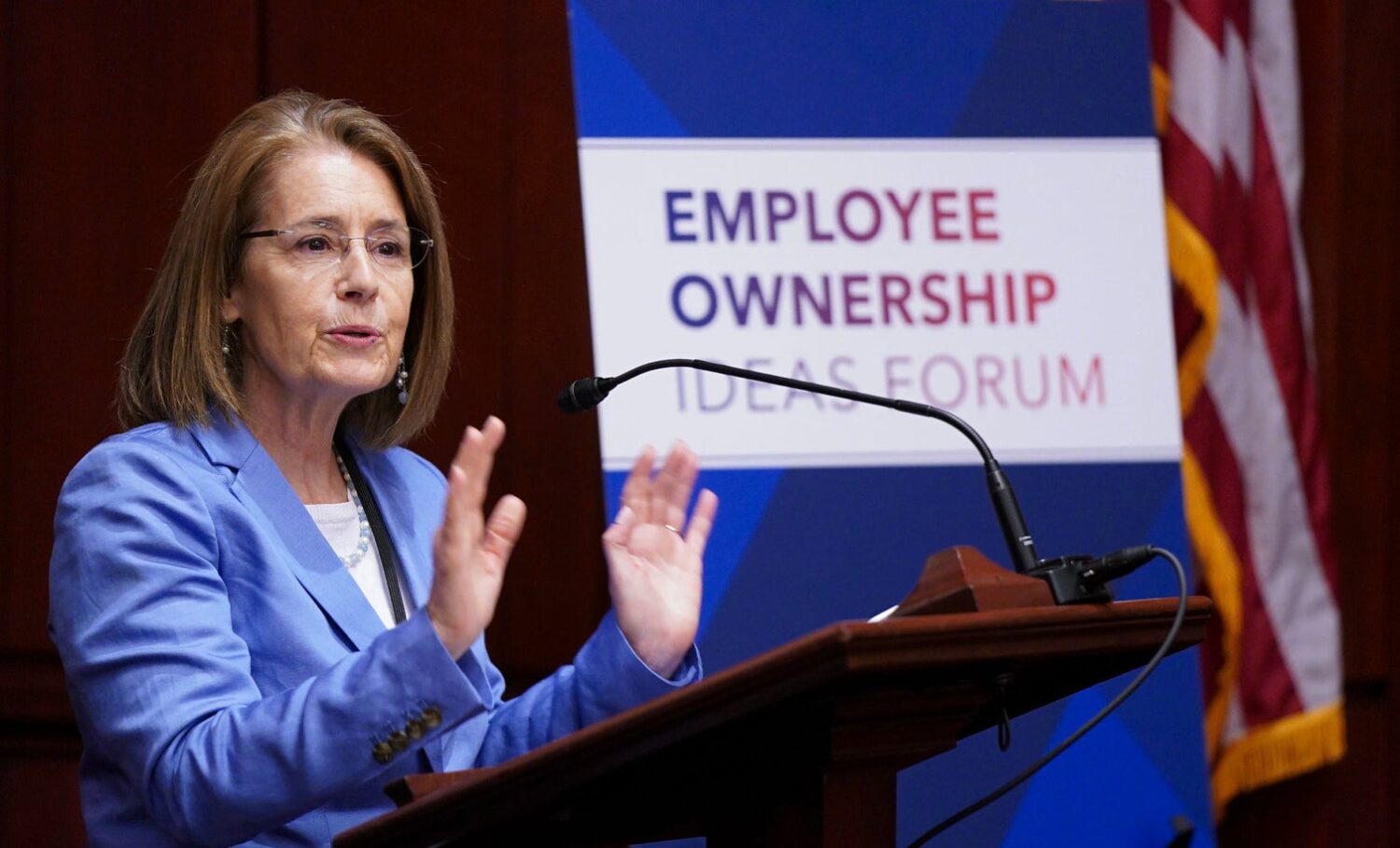
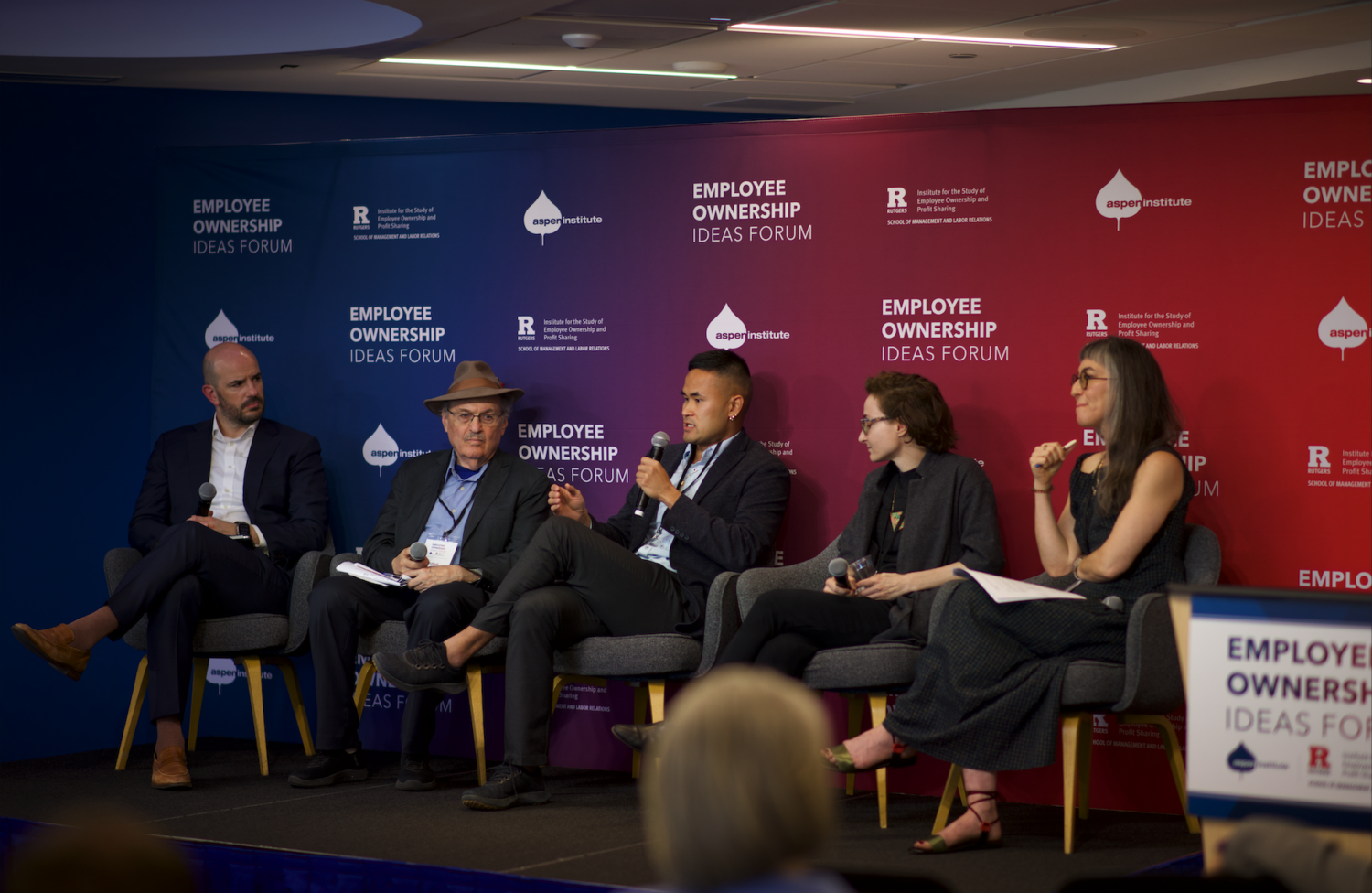
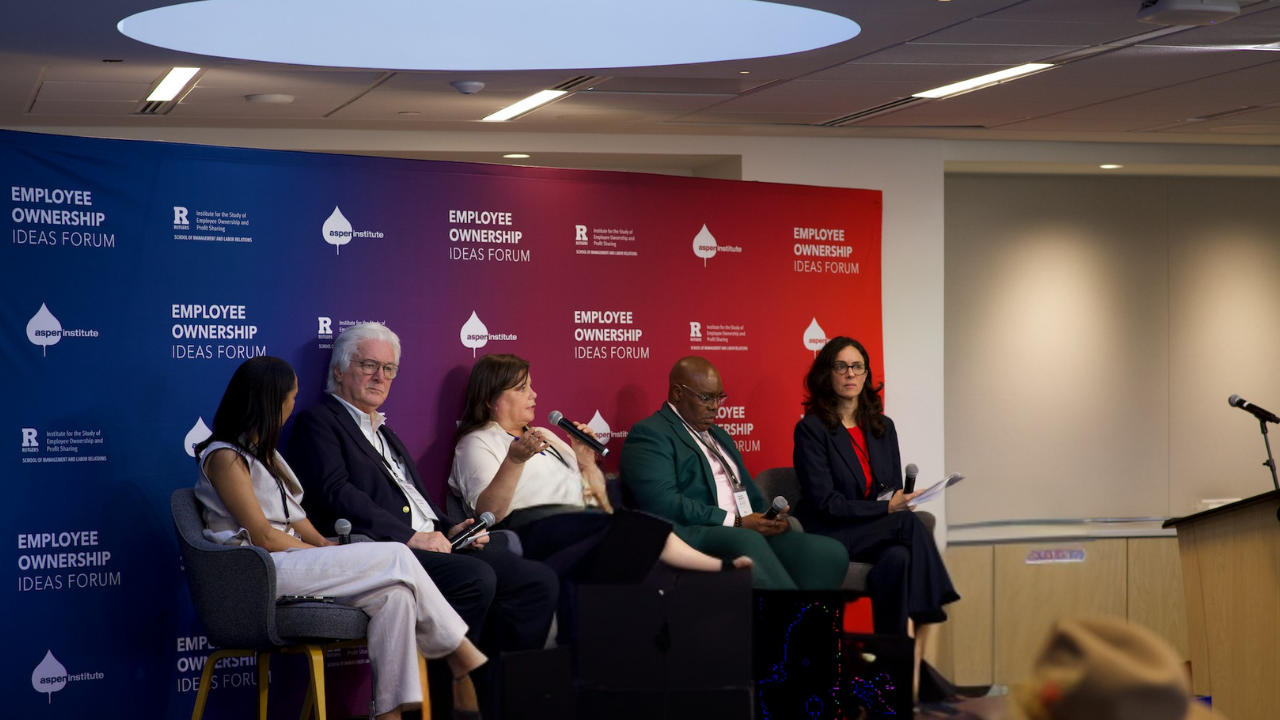
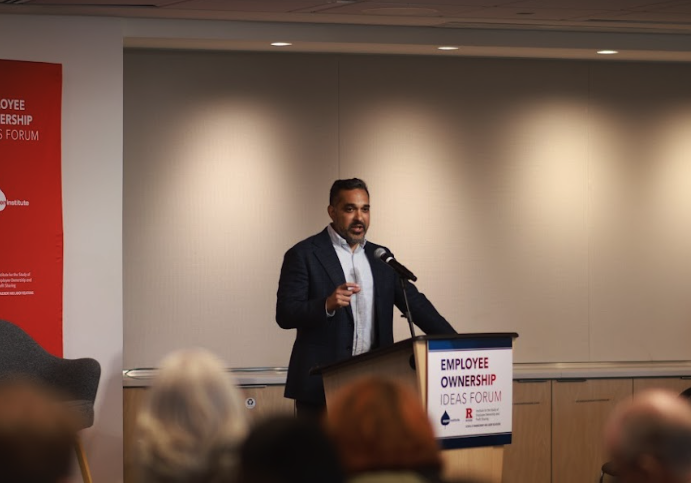
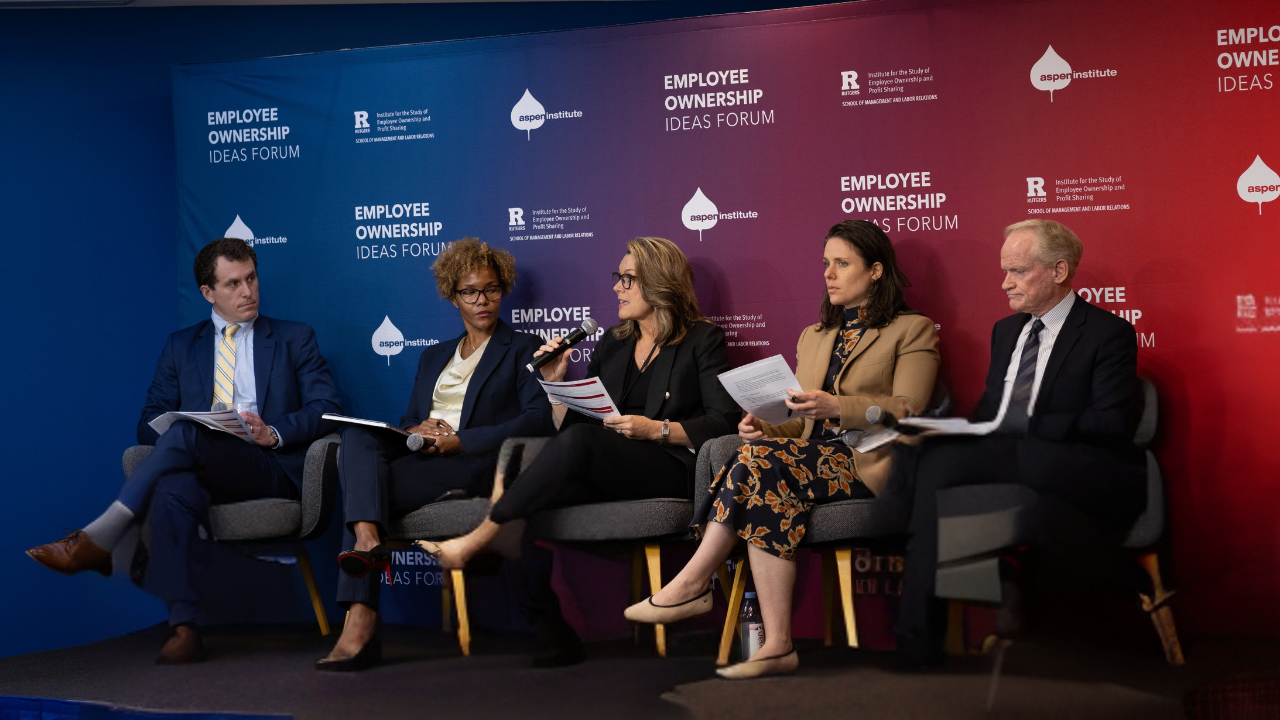
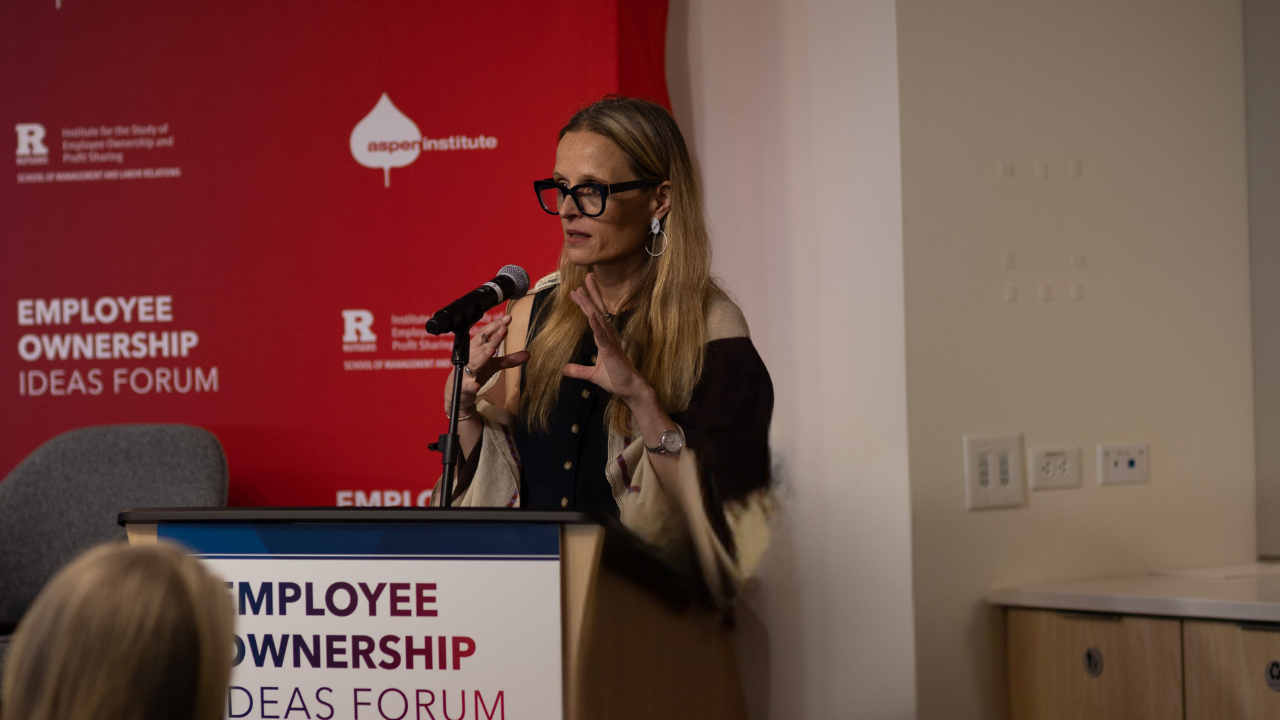
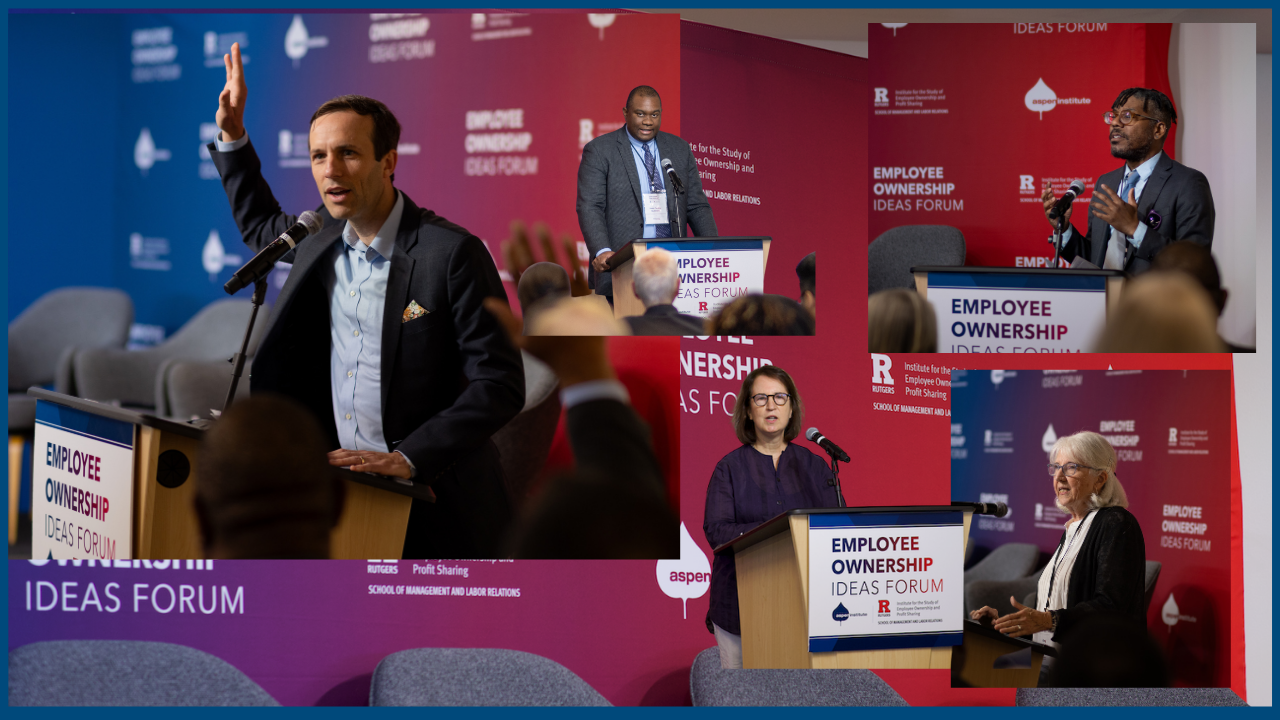
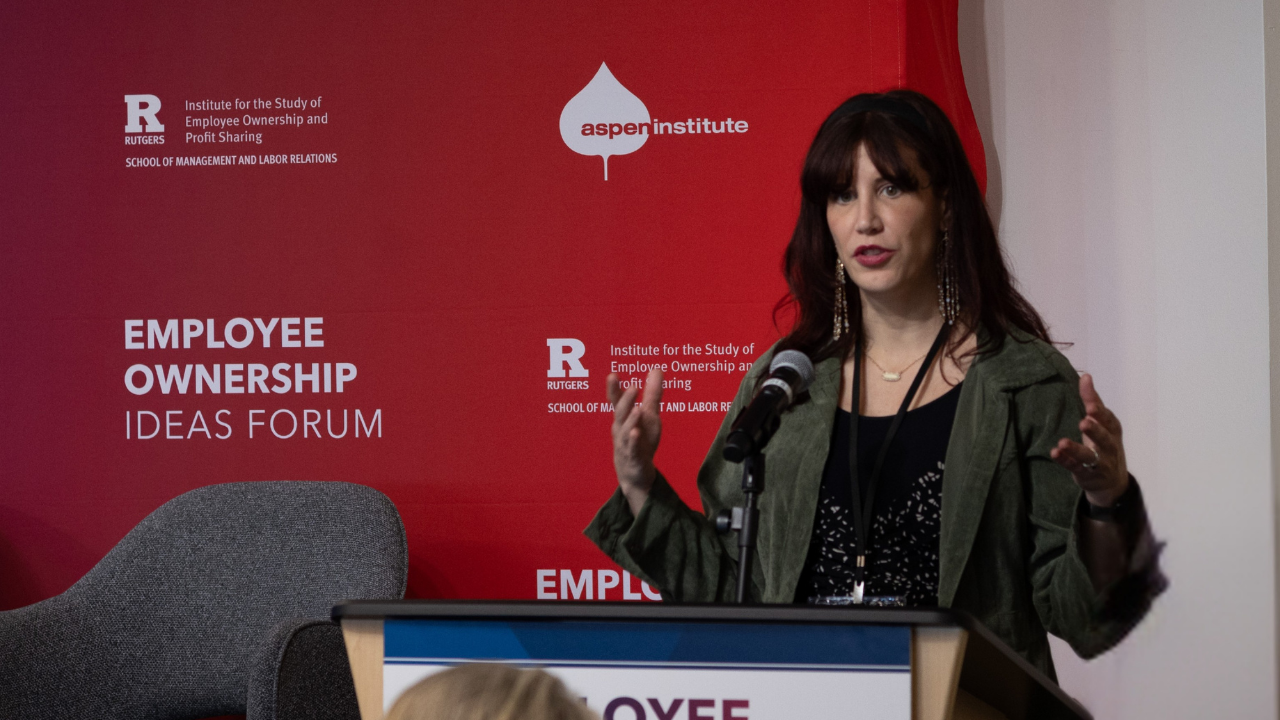
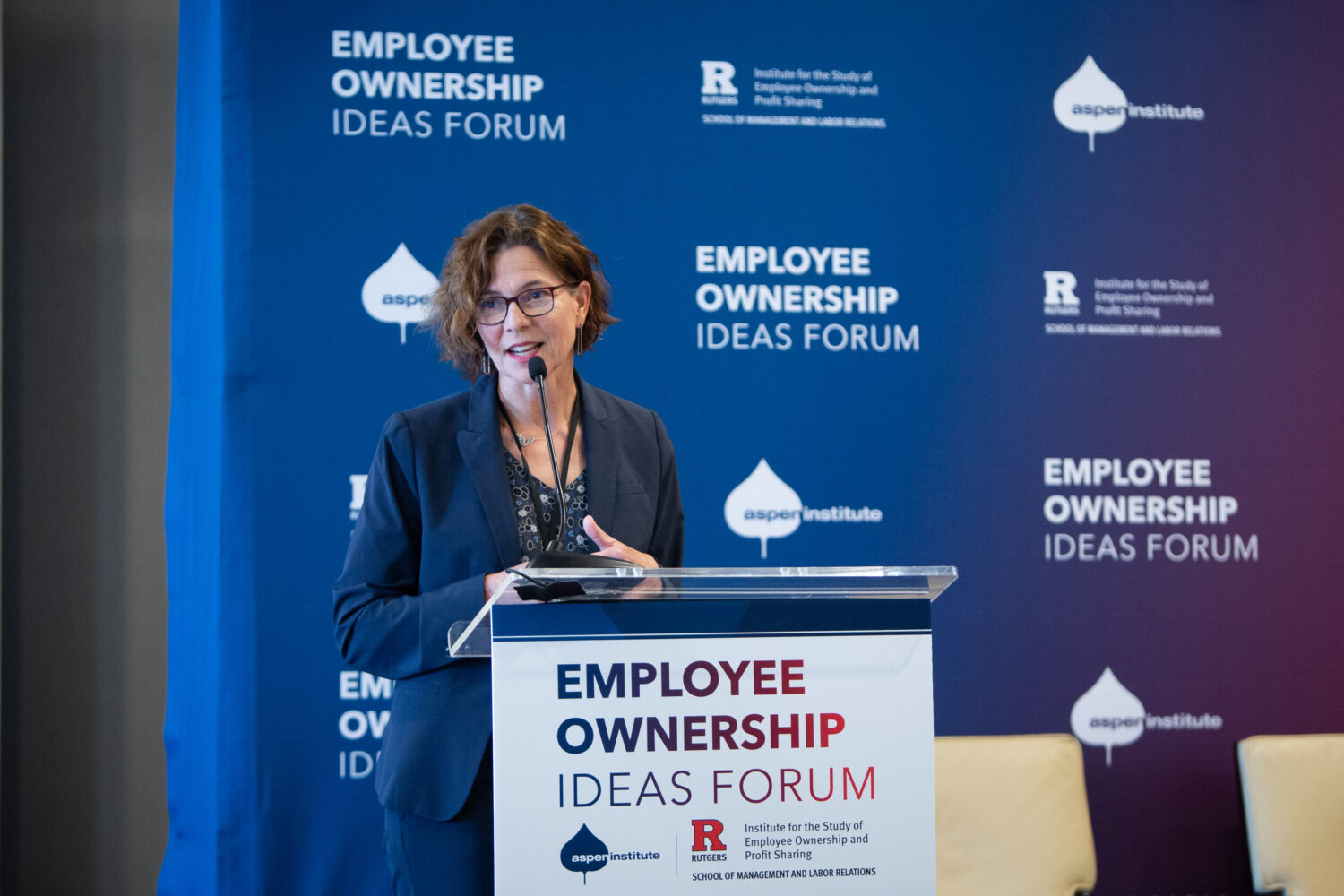
The Employee Ownership Ideas Forum will bring together leading policymakers, practitioners, experts, and the media for a robust discussion on how we can grow employee ownership for the shared benefit of American workers and businesses. This free, two-day in-person and virtual convening, in Washington, DC is co-hosted by the Aspen Institute Economic Opportunities Program and the Institute for the Study of Employee Ownership and Profit Sharing at Rutgers University.
Over the course of the event, we will:
Hear what the latest research shows about the benefits of employee ownership for workers, businesses and communities
Talk with employee-owned companies about their successes and challenges
Consider the potential for recent legislation to support forms of employee ownership and discuss ideas for building on that momentum, and
Explore new ideas about how the government, private sector and philanthropy can support employee ownership
The Employee Ownership Ideas Forum is made possible through the generous support of the Beyster Foundation for Enterprise Development, the J. Robert Beyster Endowment at Rutgers School of Management and Labor Relations, Prudential Financial, and JPMorgan Chase & Co.
Founder and CEO Chris Fredericks of Empowered Ventures talks about the future of a business structure that can strengthen businesses, create better jobs, and improve equity.
About the Rutgers Institute for the Study of Employee Ownership and Profit Sharing
The purpose of the Institute for the Study of Employee Ownership and Profit Sharing is to study the various models that have emerged and will emerge of employee ownership shares and profit shares in the corporation and society of the United States and around the world.
About the Economic Opportunities Program
The Aspen Institute Economic Opportunities Program advances strategies, policies, and ideas to help low- and moderate-income people thrive in a changing economy.
Join Our Mailing List
To receive occasional emails about our work — including new publications, commentary, events, fellowships, and more — join our mailing list.
In this virtual Forum, leaders will tackle open questions about the rollout of Trump Accounts and look toward the future of early wealth building policy in the U.S.
The Economic Opportunities Program’s forthcoming report, What Employee Ownership Means to Workers, shares the perspectives and experiences of workers at companies with different forms of employee ownership: ESOPs, EOTs, worker cooperatives, and broad-based equity compensation plans.
Economic security shouldn’t be a lottery. Yet for millions of working families, stagnant wages and precarious jobs collide with the daily grind of managing money on shaky ground — leaving stability feeling less like a plan and more like a gamble.
This session explores how reimagining ownership—from broad-based worker equity to public-interest frameworks—can ensure that the AI-powered economy generates a true “social dividend” rather than a private windfall. This event is part of the 2026 Employee Ownership Ideas Forum, happening June 2-3 in Washington DC and online.
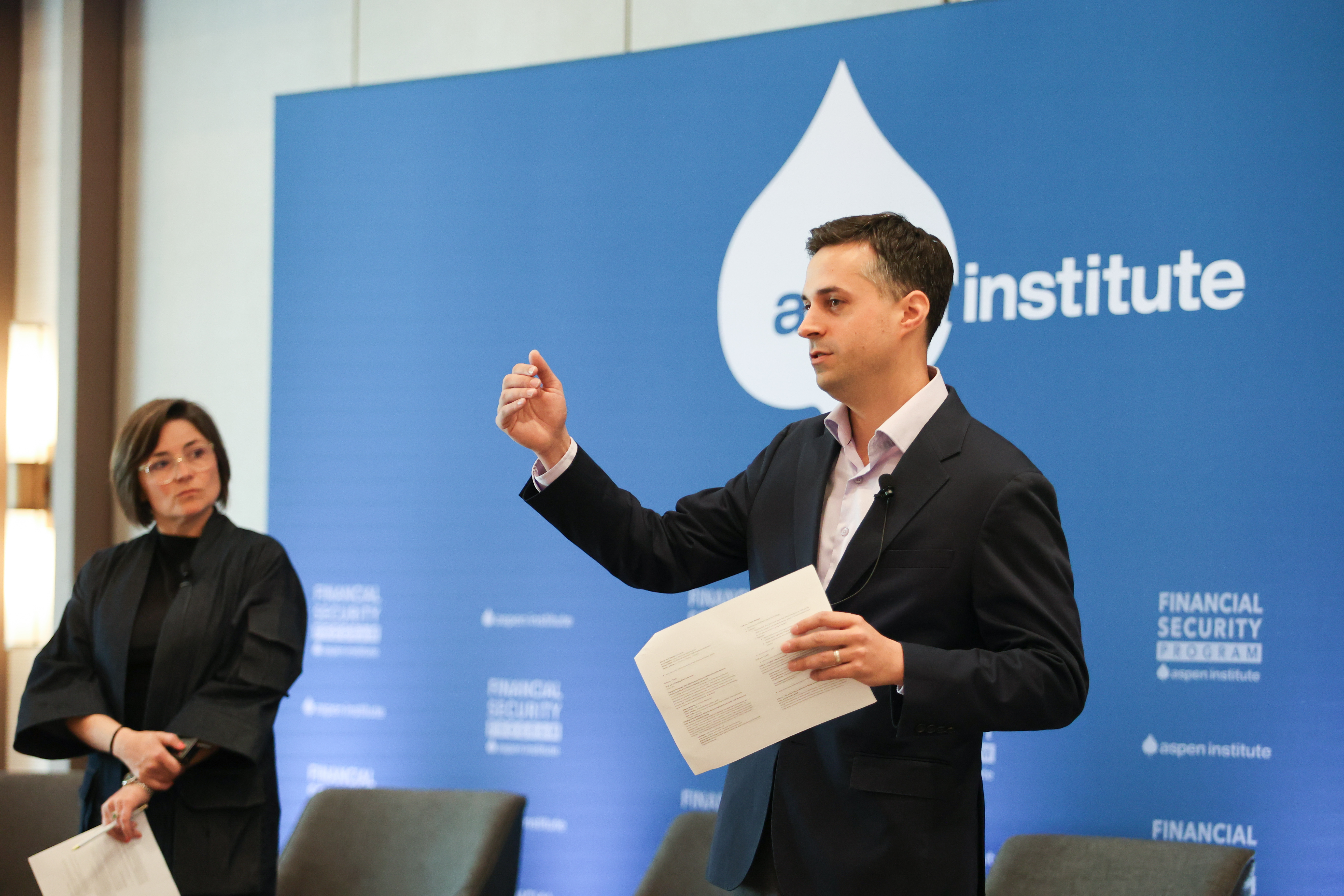
This webinar will explore Aspen FSP’s essential wealth metric, showing how it can help leaders across philanthropy, research, policy, and the private sector deepen their impact.
Join the Aspen Institute Economic Opportunities Program’s Business Ownership Initiative on August 26, 2026 from 10.30 a.m. to 12.30 p.m. Eastern for a conversation: “Metrics that Matter: Improving Financial Analysis of CDFI Small Business Lenders”.
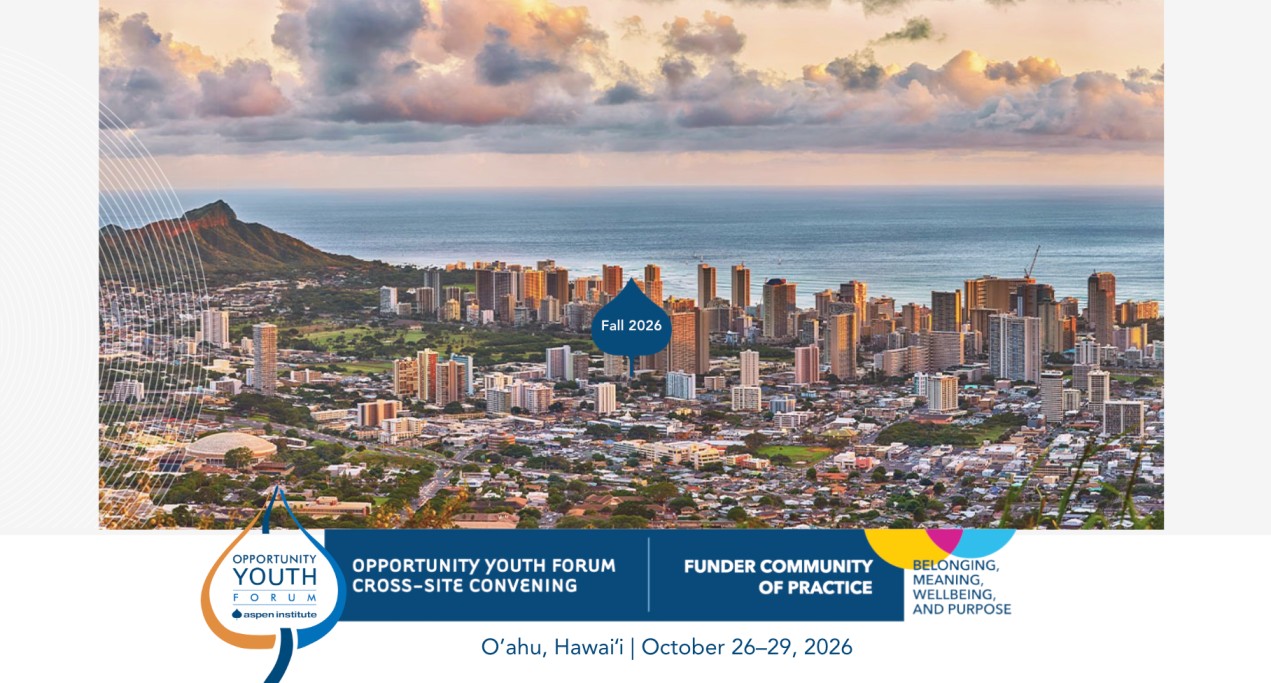
This Fall, the Opportunity Youth Forum (OYF) national network, and the Belonging, Meaning, Wellbeing, and Purpose (BMWP) Funder Community of Practice will gather in Hawaiʻi for an immersive, place-based learning experience rooted in ʻāina, culture, community, and the wisdom of generations.