
Economic Opportunities Program
The Aspen Institute Economic Opportunities Program advances strategies, policies, and ideas to help low- and moderate-income people thrive in a changing economy.
We recognize that race, gender, and place intersect with and intensify the challenge of economic inequality and we address these dynamics by advancing an inclusive vision of economic justice. For over 25 years, EOP has focused on expanding individuals’ opportunities to connect to quality work, start businesses, and build economic stability that provides the freedom to pursue opportunity.
We collaborate with national and local leaders across the United States – nonprofit leaders, policymakers, labor leaders, business leaders, educators, academics, and more – and we actively seek input and ideas from individuals and communities affected by proposed approaches to address economic opportunity challenges. Through our leadership and fellowship programs; applied research and evaluation; data and analysis; and dialogue with diverse stakeholders, we work at both local and national levels to build understanding and galvanize action to address the challenge of economic opportunity in America.
National Job Quality Practitioner Survey
We’re in the last month of our #JobQuality Survey. If your organization is improving #JobQuality, add your voice to this survey from The Aspen Institute Economic Opportunities Program by December 31st.
Events


Employee Ownership Ideas Forum 2026
View Event











The Power to Shape What Comes Next: Writing the Future of Work Together
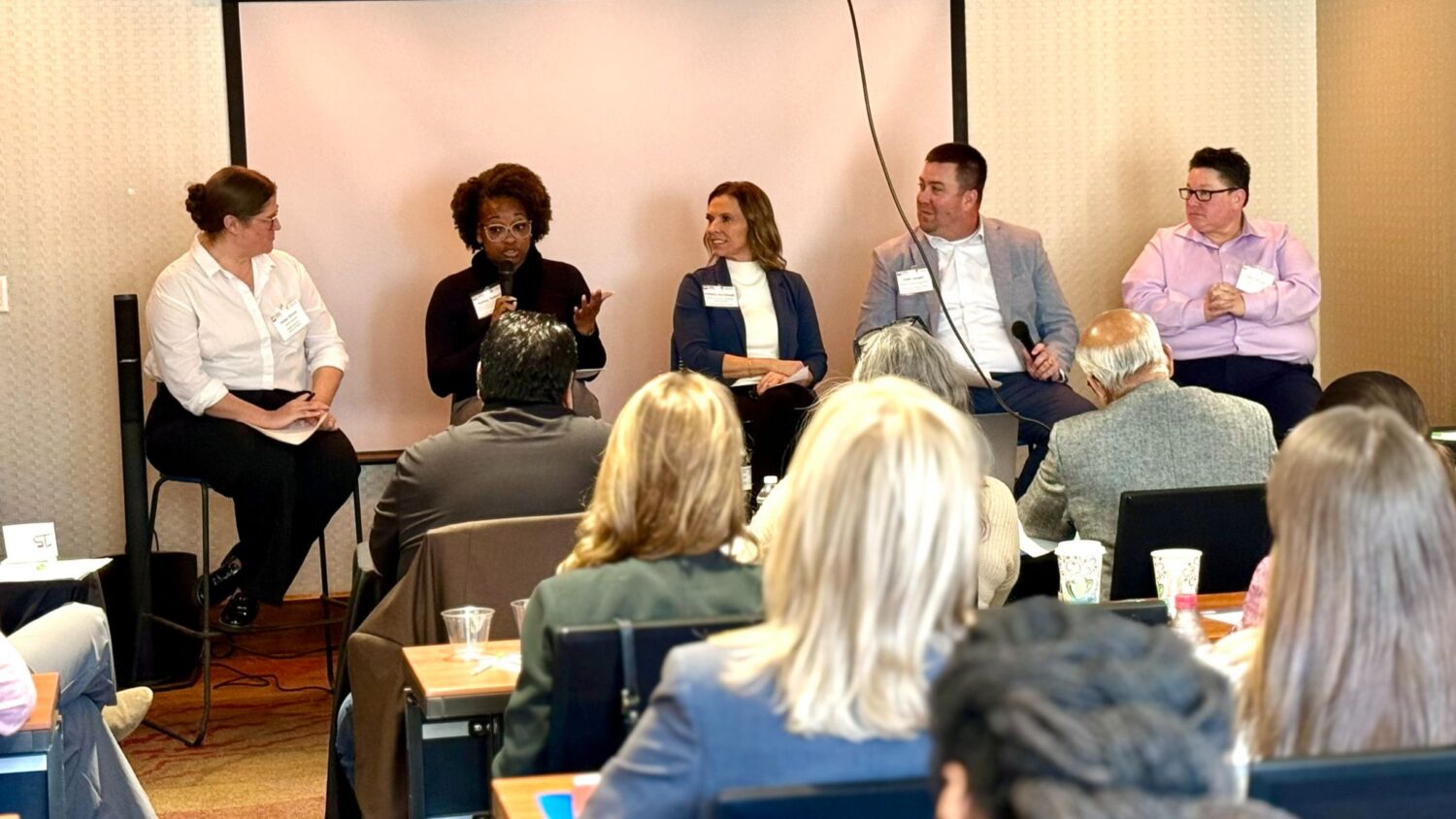
A Clear Path Forward: Catalyzing Success for Working Learners in Texas Nursing Programs
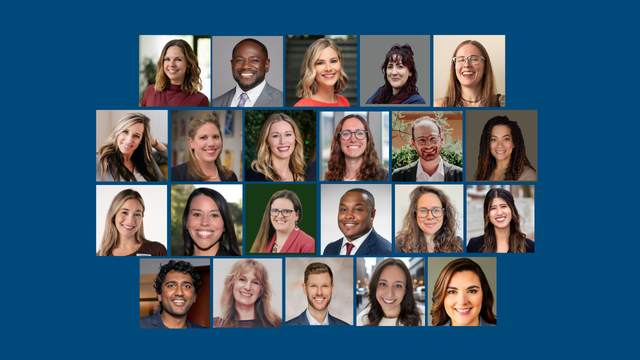
UpSkill America & Guild Announce Third Cohort of Education and Career Mobility Fellowship

National Job Quality Practitioner Survey
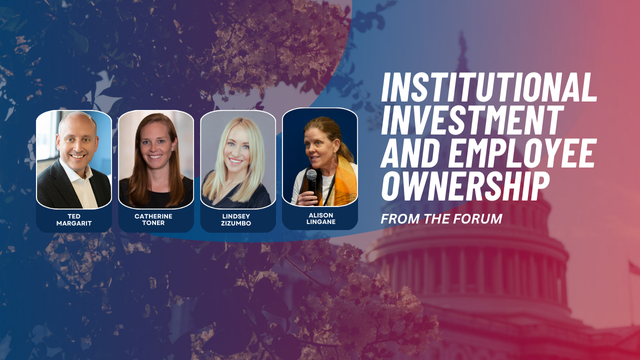

Job Quality Newsletter – Low Quality, High Costs

Shared Success Evaluation Results

Upskilling Playbook: AI, Skill Development, and the Workforce

Integrating a Job Quality Practice in Community Development Financial Institutions (CDFIs): A Q&A

Job Quality Insights from Small Business Employees




Durable Skills, Strong Starts: What Employers Really Want from Early- Career Talent

Backsliding on Child Protections: The Return of Child Labor in the US

Big Impact, Big Challenges: Lessons from Collaborating with Large Businesses to Improve Job Quality

Banking on Skills: Cara Collective and BMO Bank Partner for Change

The Future of Equal Opportunity

Feeling the Heat: Workplace Safety in a Warming World

Fixing Work: Recent Lessons from the Field

Advising Small Businesses on Job Quality: Lessons From CDFIS
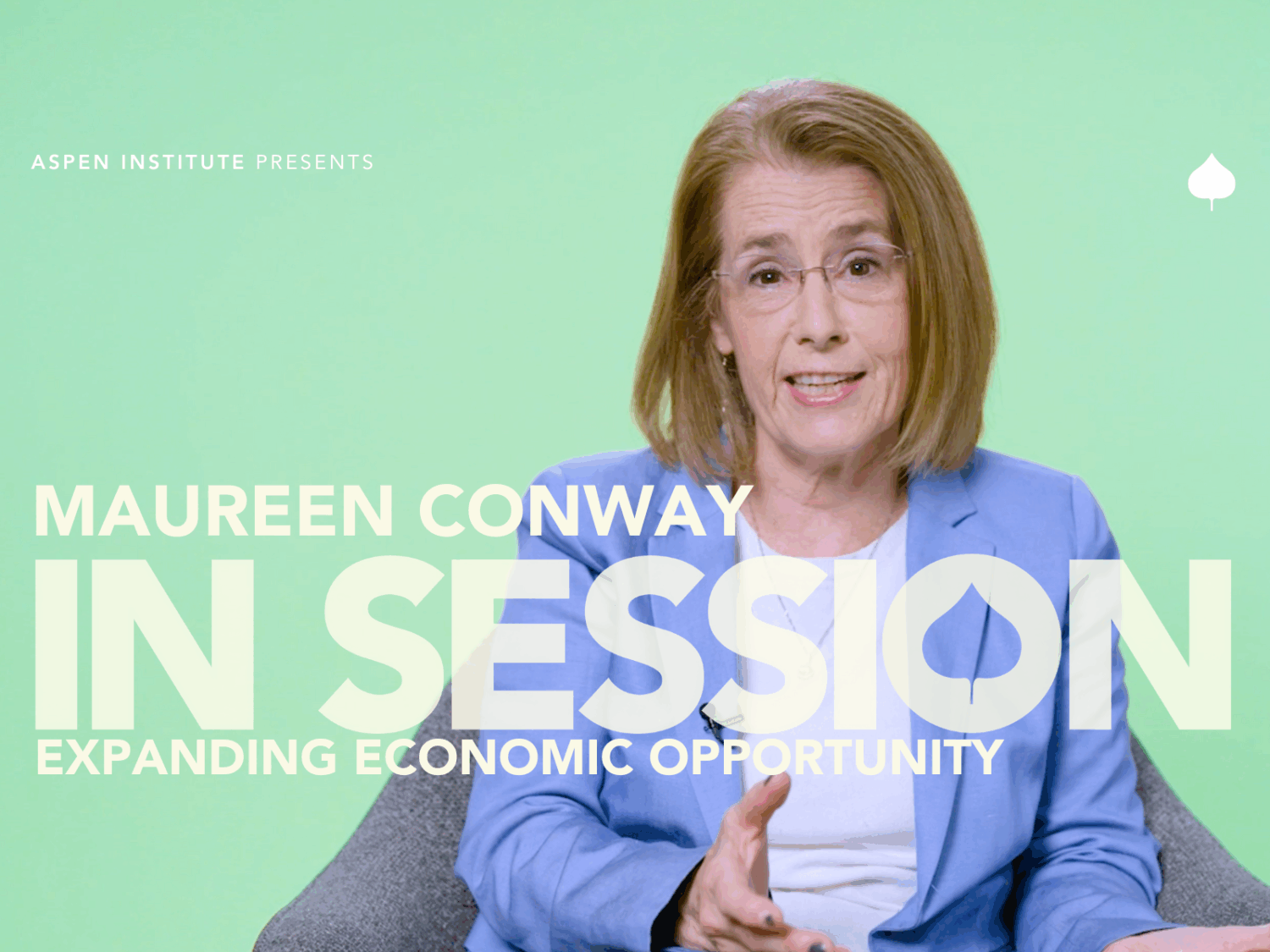
In Session: Maureen Conway
Our team


















Join Our Mailing List
To receive occasional emails about our work — including new publications, commentary, events, fellowships, and more — join our mailing list.
Connect on Social Media
For news and updates every day, connect with us on the social media platform of your choice.