
The Economic Opportunities Program advances strategies, policies, and ideas to help low- and moderate-income people thrive in a changing economy.

Join our mailing list and follow us on social media for regular updates on our work.


FIELD Forum Issue 15 – Microenterprises in the US Informal Economy: Summary Research Findings
Publications

FIELD Forum Issue 15 – Microenterprises in the US Informal Economy: Summary Research Findings

Microentrepreneurs are a strong and natural presence in this economy. Invisible to many because of their size, they are also invisible to the tax collector, municipal authorities and state regulatory bodies.

Providing Capital, Building Communities, Creating Impact: FY2002 
Publications

Providing Capital, Building Communities, Creating Impact: FY2002 

This report, a product of the CDFI Data Project (CDP), presents fiscal year 2002 data collected from 442 CDFIs.

Evaluation of the Sectoral Employment Demonstration Program
Publications

Evaluation of the Sectoral Employment Demonstration Program

This report, a collaborative effort between the Urban Institute and WSI, documents the range of projects undertaken and the outcomes achieved by the 38 Workforce Investment Boards (WIBS) participating in the U.S. Department of Labor’s Sectoral Employment Development Demonstration project.

Placeholder
Publications

Building Effective Employer Relations

This publication details some of the important lessons learned from the strong relationships that have developed over time between 10 sector projects and their employer partners.

Sectoral Workforce Development: Research Review and Future Directions
Publications

Sectoral Workforce Development: Research Review and Future Directions

This report describes the proceedings of two meetings initiated by WSI in Spring 2004.

Staying Connected: Building Entrepreneurial Networks
Publications

Staying Connected: Building Entrepreneurial Networks

Volume six of FIELD’s Best Practice series explores the ways in which “networking” can be supported by microenterprise assistance programs.

The Informal Economy: Making It In Rural America
Publications

The Informal Economy: Making It In Rural America

This FIELD publication examines the experiences of 29 entrepreneurs living and working in several rural counties in Nebraska.

Research Report No. 3 – Microenterprise as a Welfare to Work Strategy: Two-Year Findings
Publications

Research Report No. 3 – Microenterprise as a Welfare to Work Strategy: Two-Year Findings

This third and final report on FIELD’s Welfare to Work Learning Assessment describes outcomes experienced two years after TANF clients enrolled in microenterprise programs.

The Informal Economy: Experiences of African Americans
Publications

The Informal Economy: Experiences of African Americans

This publication explores the experiences of African Americans who either operate their own informal businesses or are employed informally.

The Informal Economy: Latino Enterprises at the Margins
Publications

The Informal Economy: Latino Enterprises at the Margins

What are the barriers Latino entrepreneurs face and how might they be helped to move from the informal to the “formal” economy?

Business First: Using Technology to Advance Microenterprise Development
Publications

Business First: Using Technology to Advance Microenterprise Development

This fifth Best Practice Guide navigates the whirlwind of the technological revolution, introducing a framework by which microenterprise practitioners can use technology to enhance and expand their business, and offering practitioners guidance on assisting their clients with technology needs.

Community Development Financial Institutions
Publications

Community Development Financial Institutions

This report is a product of the CDFI Data Project (CDP)—a collaborative initiative that produces high-quality, comprehensive data about CDFIs on an annual basis.

About the Economic Opportunities Program

The Aspen Institute Economic Opportunities Program advances strategies, policies, and ideas to help low- and moderate-income people thrive in a changing economy.

Join Our Mailing List

To receive occasional emails about our work — including new publications, commentary, events, fellowships, and more — join our mailing list.

Connect on Social Media

For news and updates every day, connect with us on the social media platform of your choice.

More from the Economic Opportunities Program

The Workforce of the Future Starts with Adult Basic Education
Blog Posts

The Workforce of the Future Starts with Adult Basic Education

To create a future-ready workforce system, we must move beyond outdated credentials and analog processes to one that is skills-first, transparent, data-driven, and aligned with the evolving needs of workers, educators, and employers.

Foundational Skills: Early Insights from Employers and Providers
Publications

Foundational Skills: Early Insights from Employers and Providers

This publication examines how fragmented skills, credentialing, and workforce data systems limit the potential of skills-based hiring and advancement, and outlines a shared vision for building the interoperable infrastructure needed to create a connected skills ecosystem that benefits workers, employers, educators, and governments.
How Tax Policy Can Help Employers Expand Access to Learning
Podcasts Videos

How Tax Policy Can Help Employers Expand Access to Learning

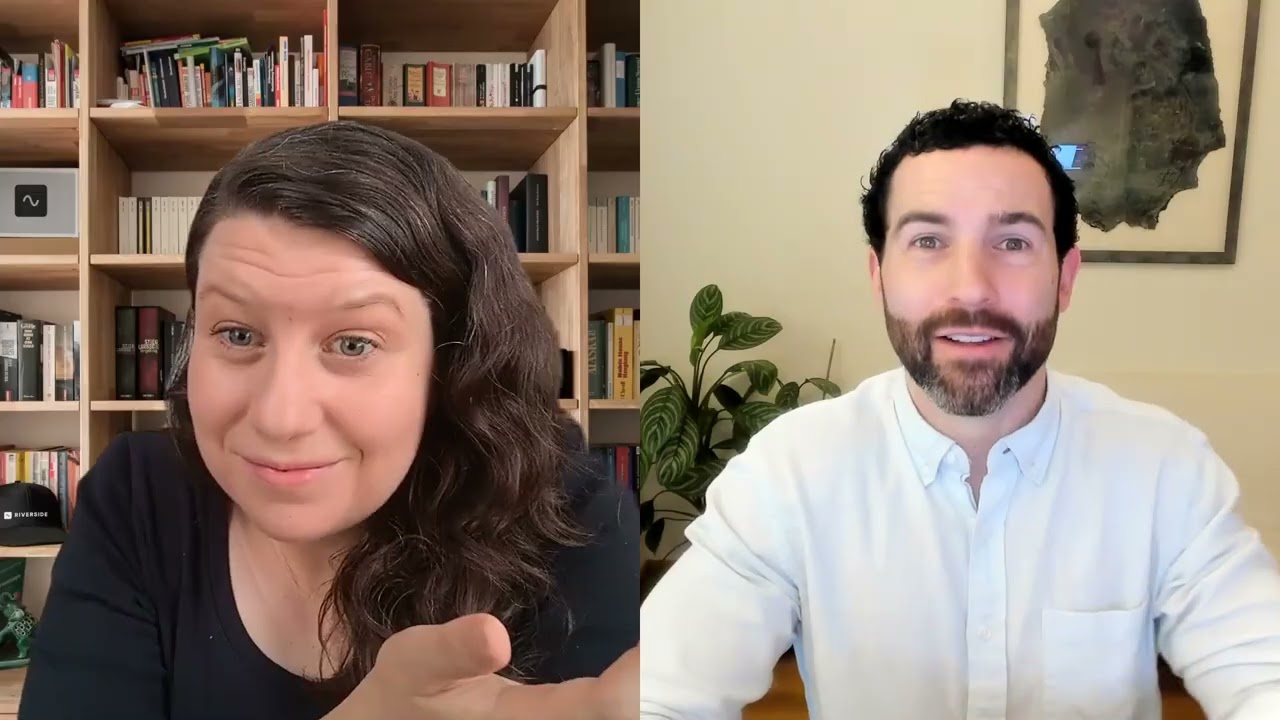
In this interview, Chelsea Miller of Upskill America speaks with Nick Greif of InStride about how employers can design education benefits that are more accessible, strategic, and aligned with workforce goals.

The US economy depends on immigrant workers. Their job quality matters for everyone.
Blog Posts

The US economy depends on immigrant workers. Their job quality matters for everyone.

The future of America’s economic strength depends on immigration. As the US birth rate declines and the median age goes up, fewer US-born workers will enter the labor force.

Metrics that Matter: Improving Financial Analysis of CDFI Small Business Lenders
Podcasts Videos

Metrics that Matter: Improving Financial Analysis of CDFI Small Business Lenders

This is the final event in our Job Quality in Practice series. In this conversation, hosted by the Aspen Institute Economic Opportunities Program on May 7, 2026, we hear from the Institute’s Job Quality Fellows who are embedding job quality into their work across a range of contexts and strategies — from employee ownership models that give workers a direct financial stake in their company’s success, to apprenticeship programs that create structured pathways to higher-wage careers, to worker advisory committees that bring employee voice into business decision-making.

Nonprofits Need Better Jobs
Blog Posts

Nonprofits Need Better Jobs

This brief shares key lessons and takeaways that could be used to implement internal job quality practices to strengthen CDFIs and other small business support organizations. 

Adult Working Learners Vote With Their Feet: What Employers Are Learning About Foundational Skills
Blog Posts

Adult Working Learners Vote With Their Feet: What Employers Are Learning About Foundational Skills

Putting people at the center of the systems we are building means accepting that career paths are rarely linear. It requires us to build infrastructure that accommodates life transitions, recognizes informal learning, and values a worker’s agency over their own data.