
Economic Opportunities Program
The Aspen Institute Economic Opportunities Program advances strategies, policies, and ideas to help low- and moderate-income people thrive in a changing economy.
We recognize that race, gender, and place intersect with and intensify the challenge of economic inequality and we address these dynamics by advancing an inclusive vision of economic justice. For over 25 years, EOP has focused on expanding individuals’ opportunities to connect to quality work, start businesses, and build economic stability that provides the freedom to pursue opportunity.
We collaborate with national and local leaders across the United States — nonprofit leaders, policymakers, labor leaders, business leaders, educators, academics, and more — and we actively seek input and ideas from individuals and communities affected by proposed approaches to address economic opportunity challenges. Through our leadership and fellowship programs, applied research and evaluation, data and analysis, and dialogue with diverse stakeholders, we work at both local and national levels to build understanding and galvanize action to address the challenge of economic opportunity in America.
Events












Room for Growth: A Survey of Upskilling Approaches — 2026 Analysis

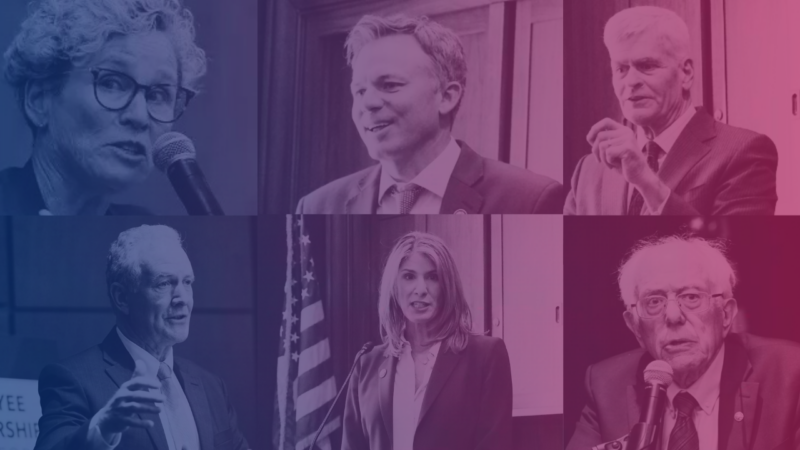
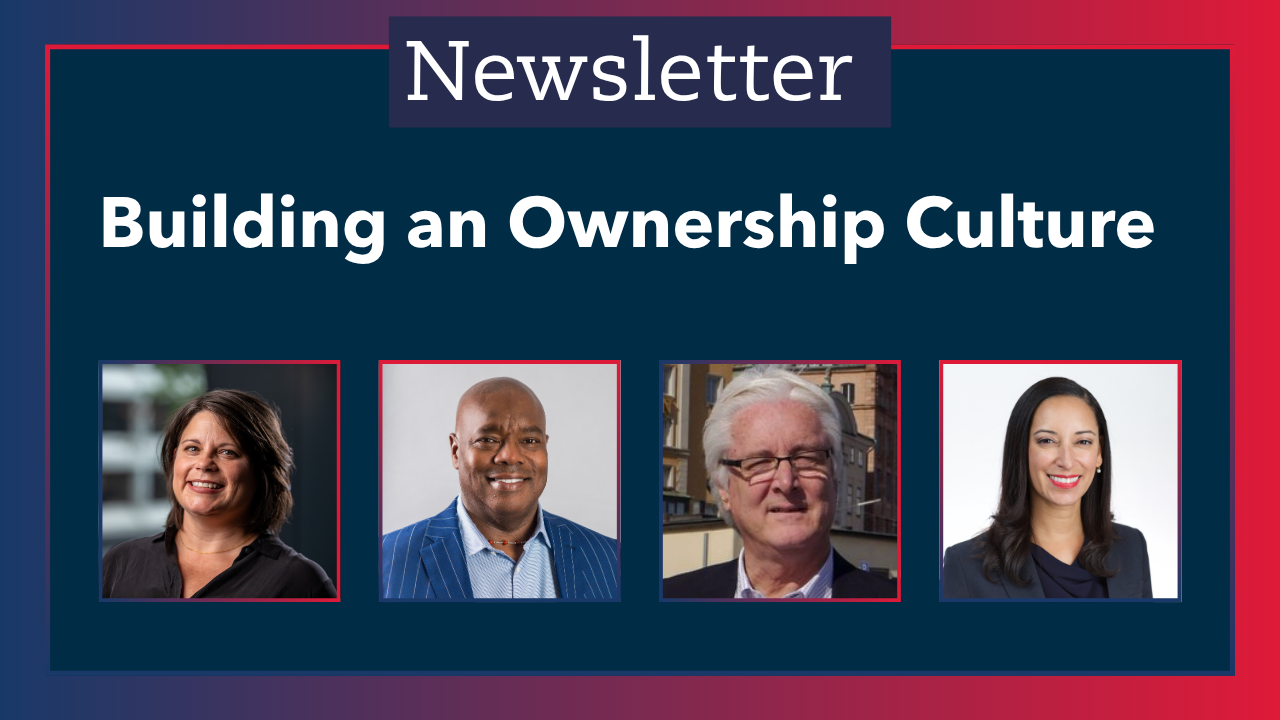
What Employee Ownership Means to Workers

Employer-Friendly Practices: A Guide for Higher Education

MillerKnoll: Developing Operations Leaders from Within and Beyond — A Case Study in Structured Talent Development

A Typology of State-Supported Work-Connected Learning Programs


Foundational Skills: Early Insights from Employers and Providers

From Crisis to Continuity: Optimizing CDFI Capital and Partnerships for Natural Disaster Response


The Workforce of the Future Starts with Adult Basic Education


Nonprofits Need Better Jobs


Adult Working Learners Vote With Their Feet: What Employers Are Learning About Foundational Skills
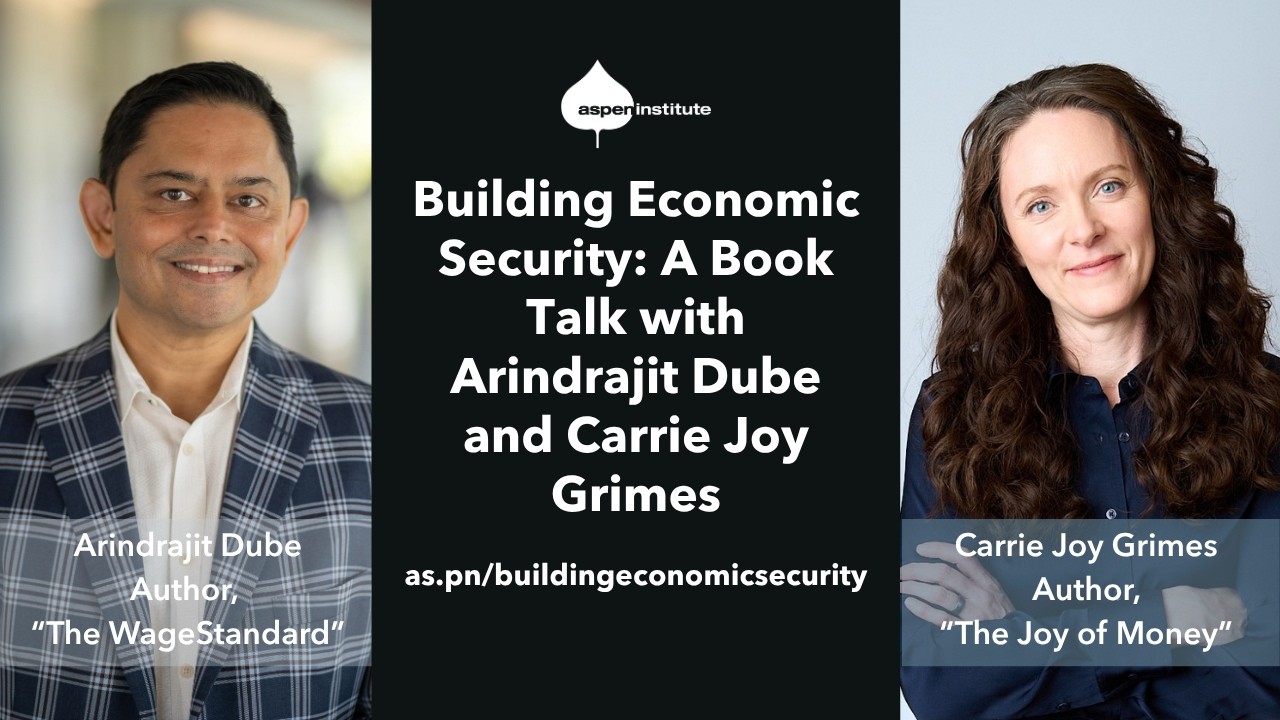
Building Economic Security: A Book Talk with Arindrajit Dube and Carrie Joy Grimes
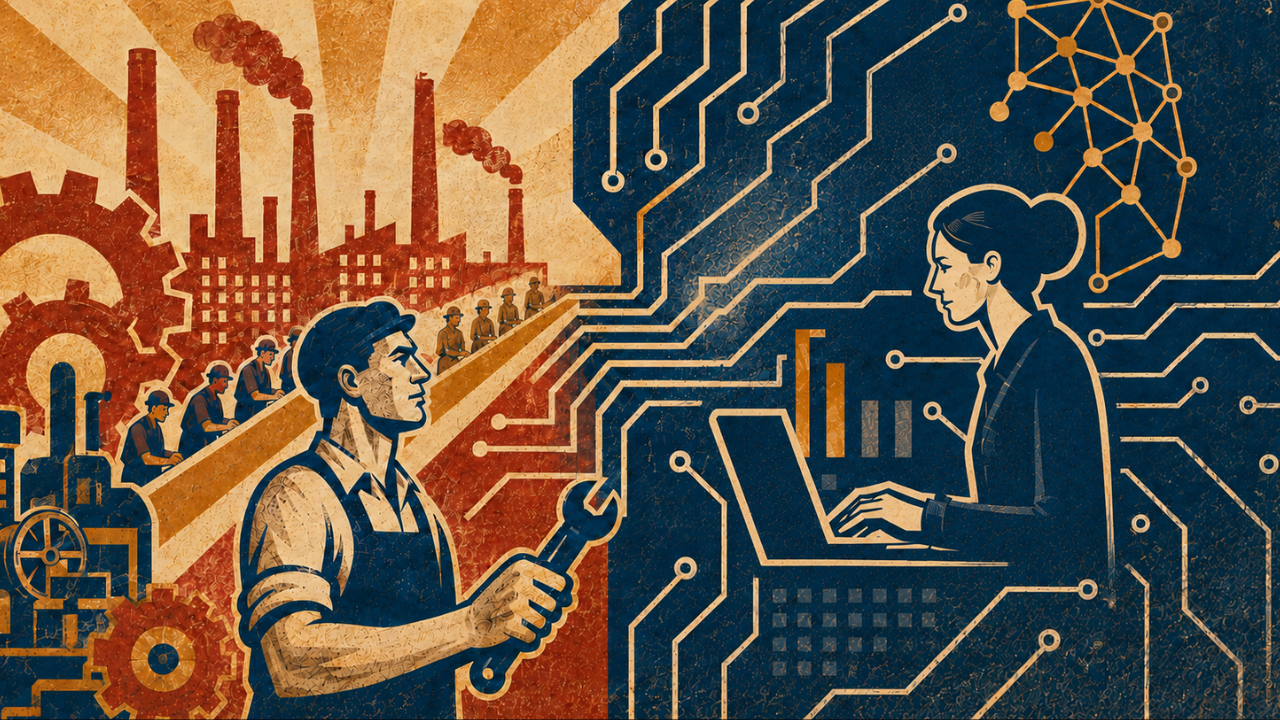
Work and the Social Contract in the Age of AI: How did we get here?
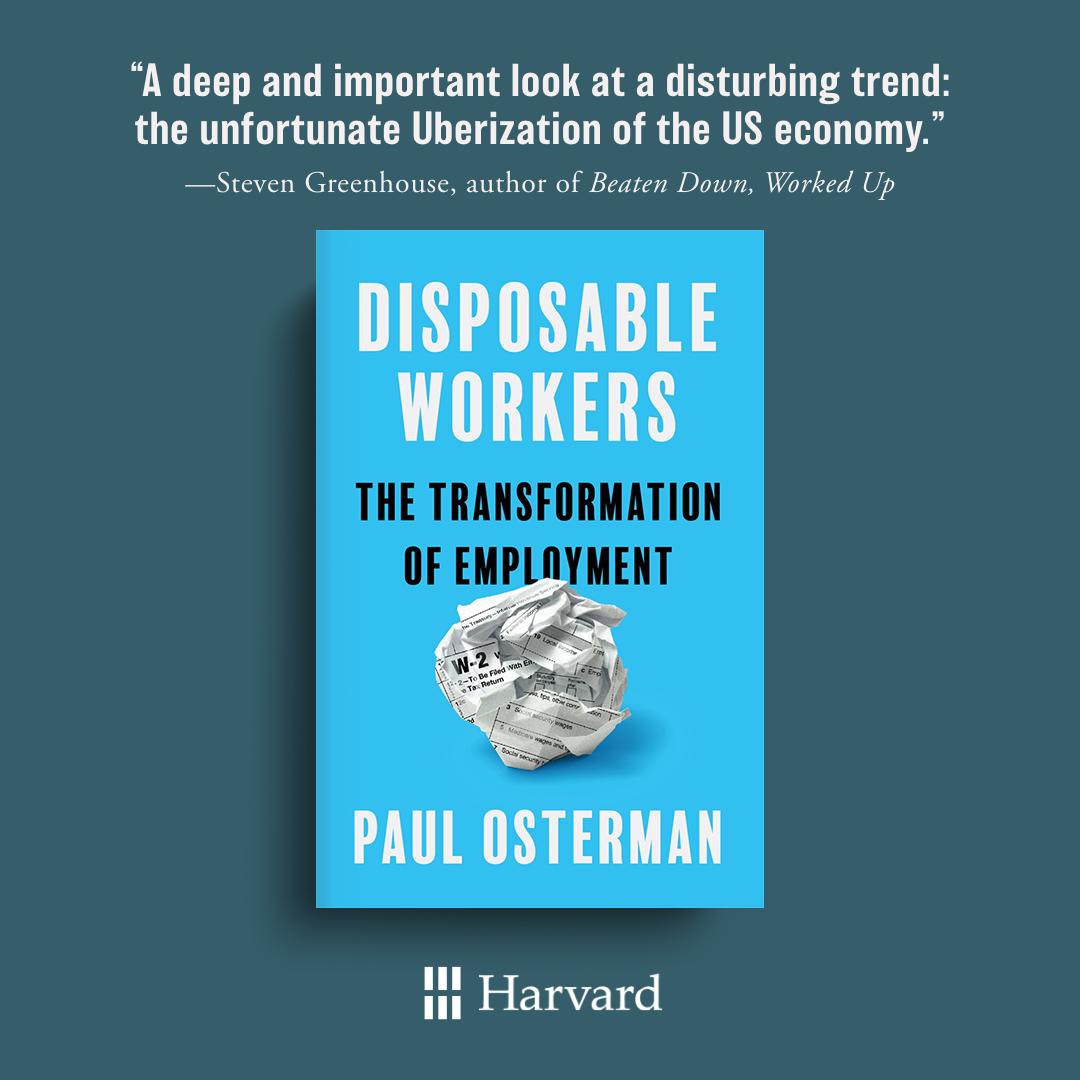
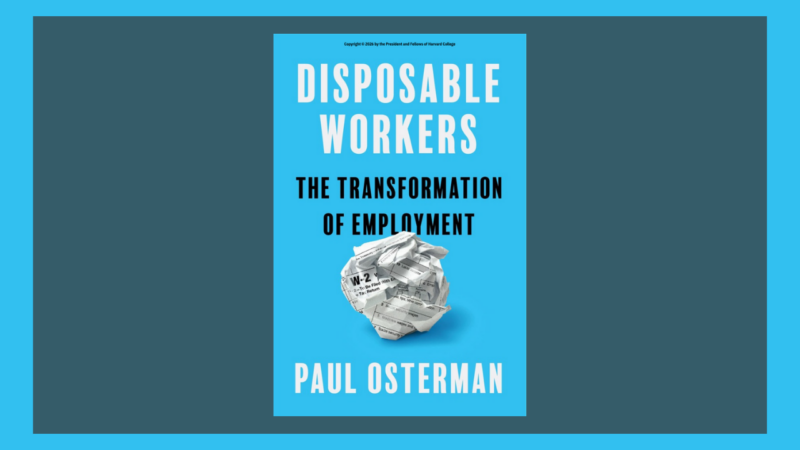
Disposable Workers: A Book Talk with MIT Sloan Professor Paul Osterman
How Tax Policy Can Help Employers Expand Access to Learning

Metrics that Matter: Improving Financial Analysis of CDFI Small Business Lenders

The Impact of Foundational Skills on Workforce Success
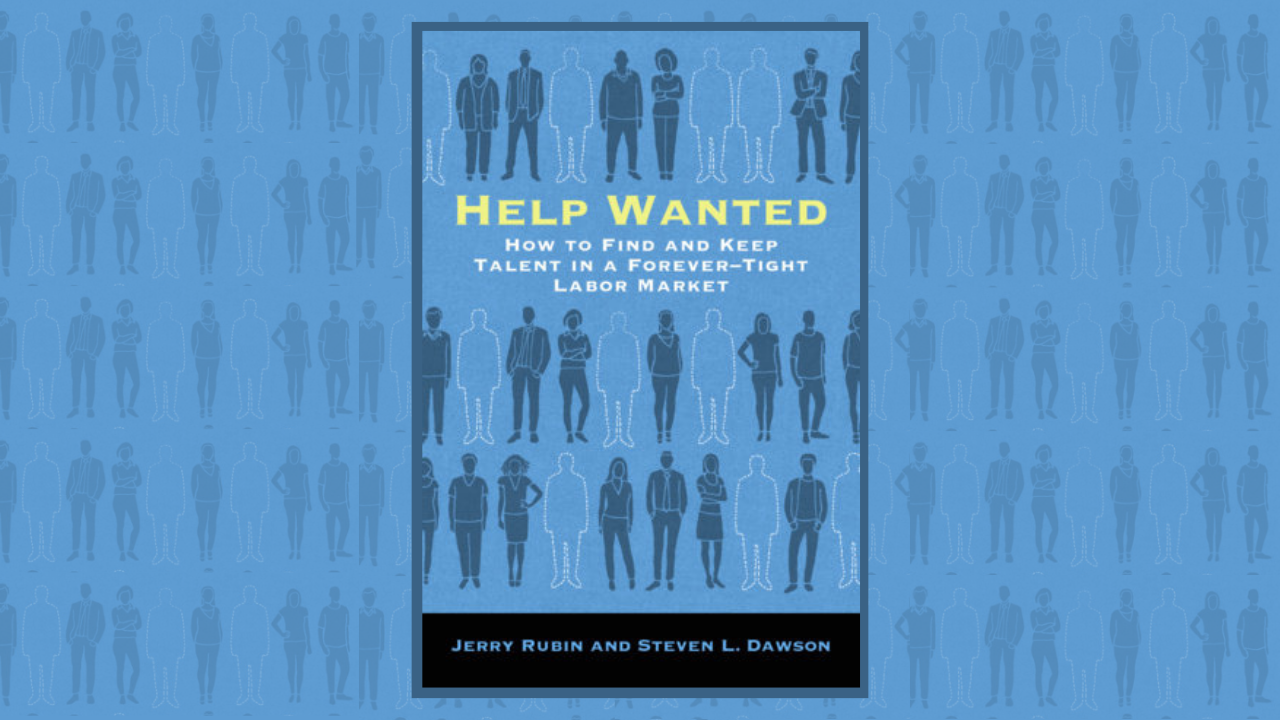
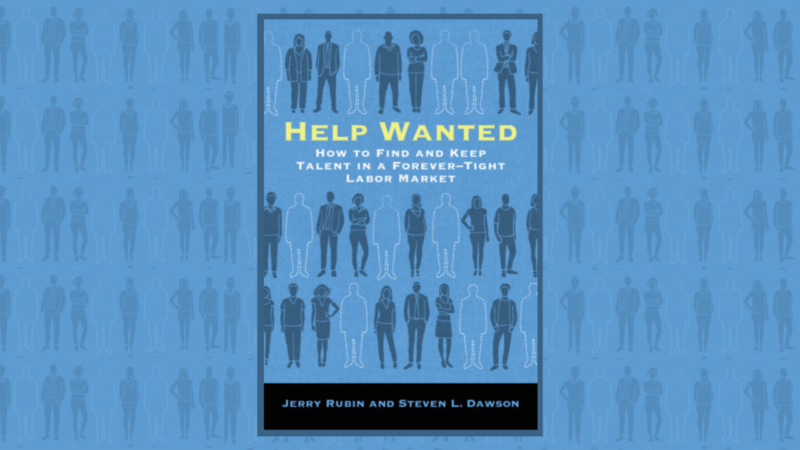
The Necessity of Employee-Centered Strategies: A Book Talk with Steve Dawson and Jerry Rubin
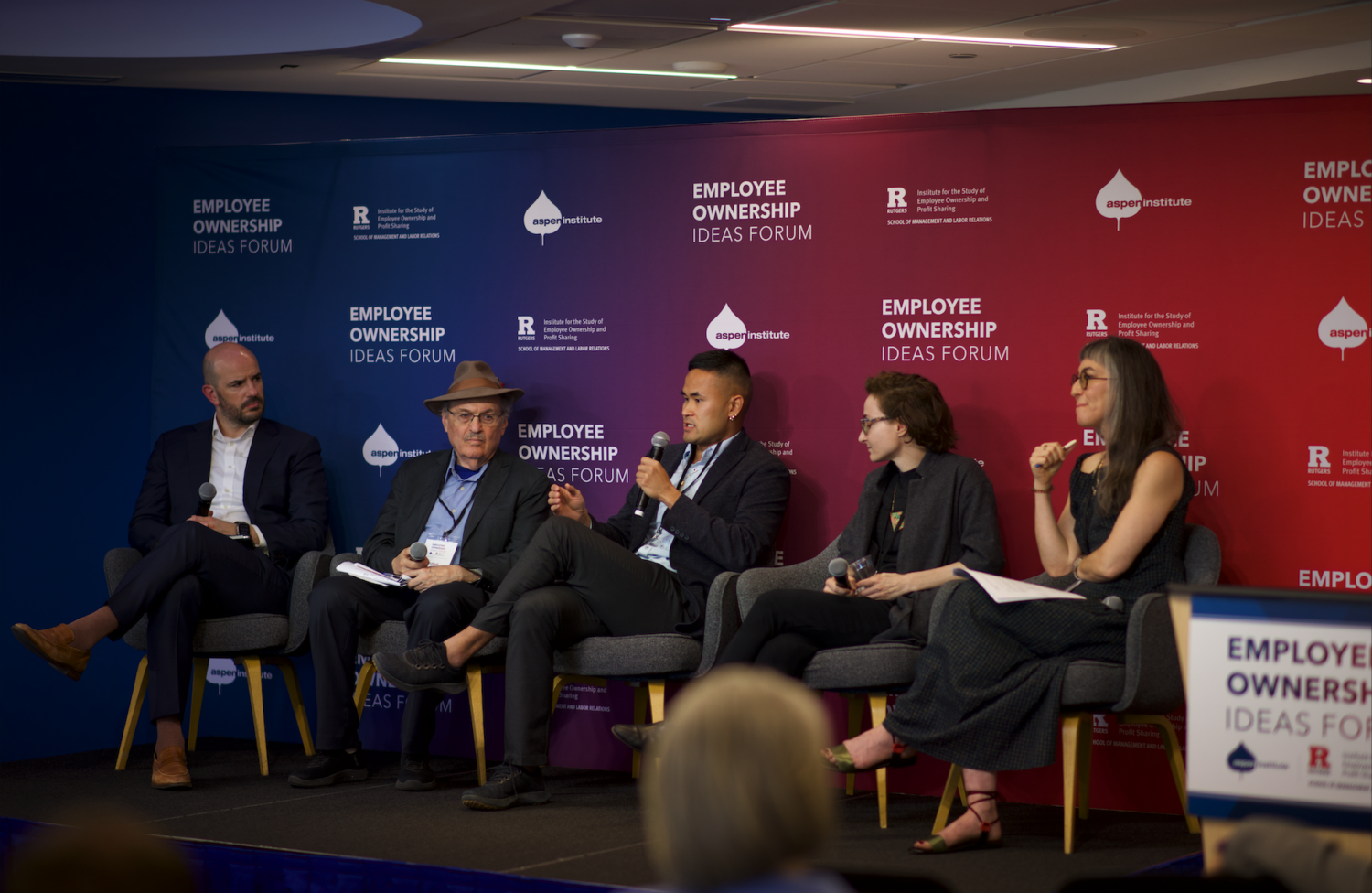
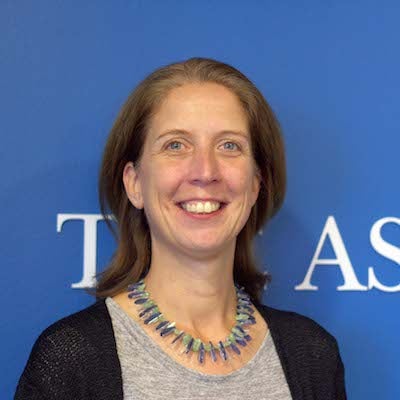
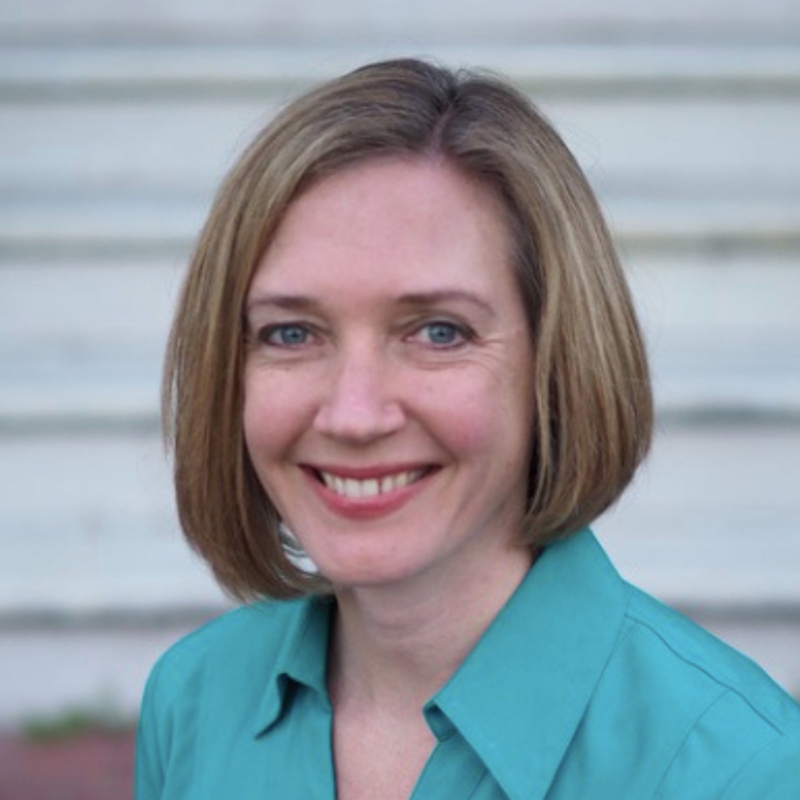
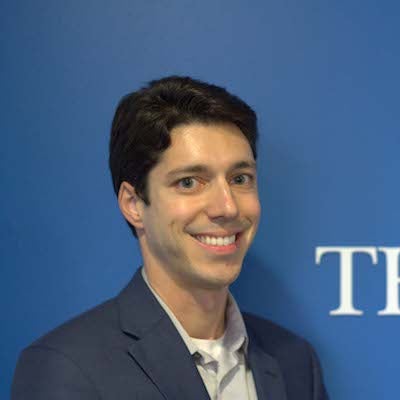
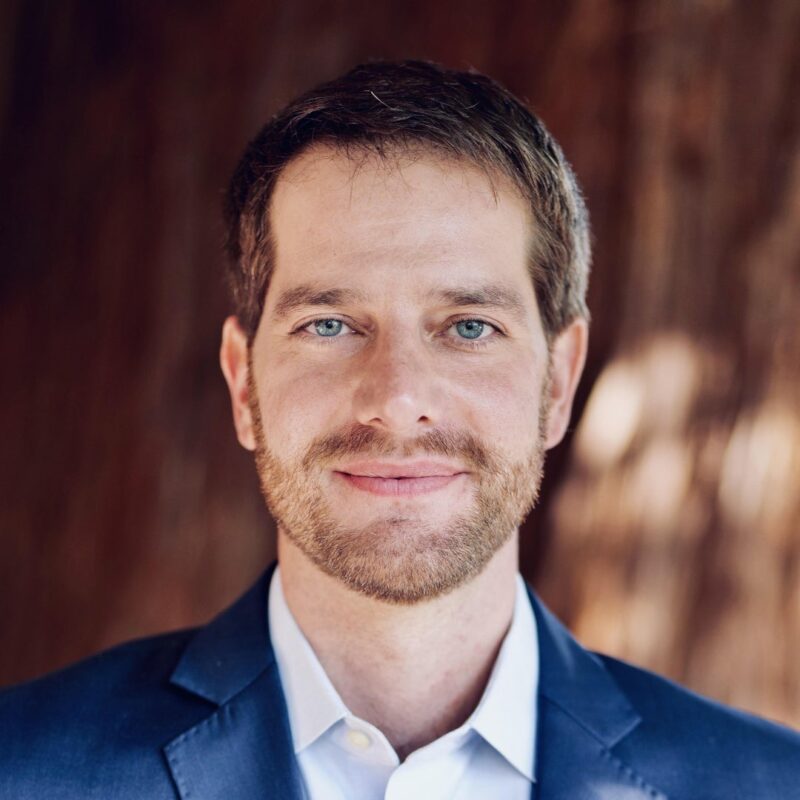
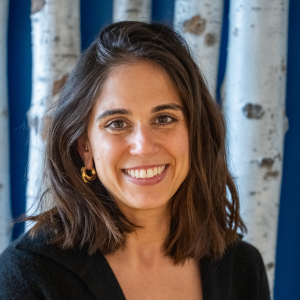
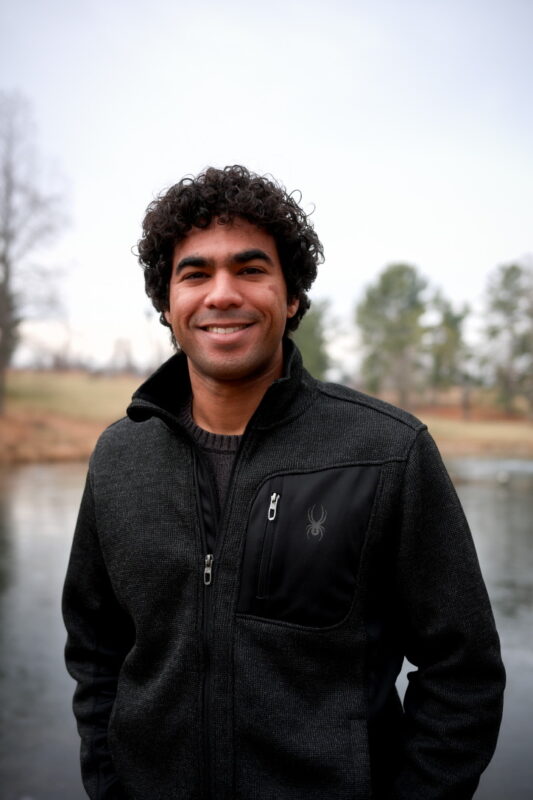
Our team










Join Our Mailing List
To receive occasional emails about our work — including new publications, commentary, events, fellowships, and more — join our mailing list.
Connect on Social Media
For news and updates every day, connect with us on the social media platform of your choice.
