Economic Opportunities Program Monthly Digest — June 2026
The Aspen Institute Economic Opportunities Program (EOP) advances strategies, policies, and ideas to help low- and moderate-income people thrive in a changing economy.
We are pleased to present a selection of our work from the past month.
If a colleague shared this newsletter with you, consider subscribing to our mailing list or connecting on social media. To learn more about our work, visit aspeninstitute.org/eop.
Publications
- Building Shared Success: A Guide to Small Business Job Quality Advising for CDFIs by Maureen Conway and Bryn Morgan, with Rossana Espinoza
Click here to view more publications.
Commentary
- How to Navigate Systems to Create Impact by Chelsea Miller, UpSkill America
- Taking Young Workers Seriously: Building Good Jobs from the Start by Mike Swigert, Aspen Forum for Community Solutions
Click here to view more commentary.
In the News
The High-Stakes Effort to Repair the American Retirement System. Writing for the Wall Street Journal, author Glenn Ruffenach quotes Future of Work Initiative Director Liba Wenig Rubenstein about the evolving perspectives about work among rising generations:
“If you ask Generations Z and Alpha about their expectations for their careers, they absolutely expect to have multiple career chapters and transitions … They’re interested in breaks for education and rest and caring for family members, as opposed to some sort of continuous, linear career path.”
Videos
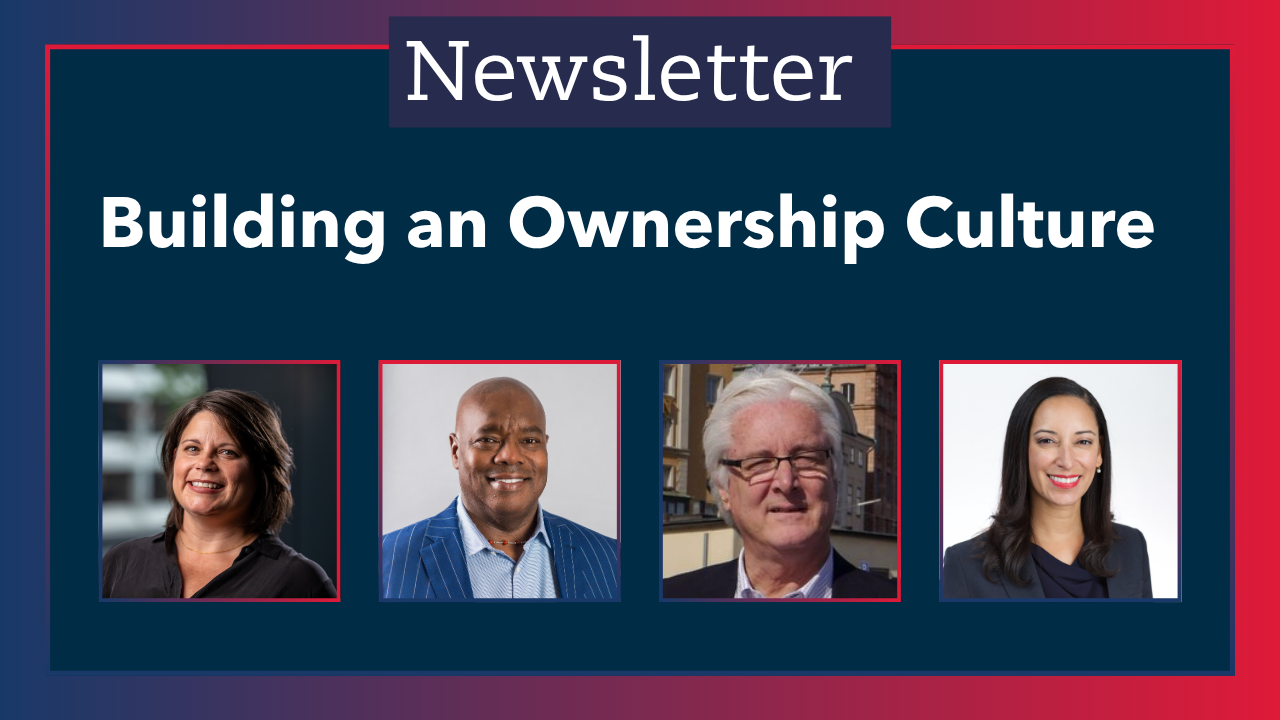
Employee Ownership Ideas Forum 2026: Owning America’s Future, presented in partnership with the Rutgers Institute for the Study of Employee Ownership and Profit Sharing.
Keynotes:
- Opening Remarks by the Aspen Institute’s Maureen Conway and Rutgers’ William Castellano
- Remarks by A Few Cool Hardware Stores’ Gina Schaefer
- Remarks by US Sen. Ron Johnson of Wisconsin
- Remarks by ESOP Association’s Jim Bonham
- Remarks by US Sen. Tim Kaine of Virginia
- Remarks by Apis & Heritage’s Phil Reeves
- Remarks by NCEO’s Loren Rodgers
- Remarks by Expanding ESOPs’ Danny Massey
- Remarks by JPMorganChase’s Gwyneth Galbraith
- Remarks by Prudential Financial’s Paula D’Ambrosa
- Remarks by Ford Foundation’s Margot Brandenburg
- Remarks by Fmr. NEC Deputy Director Bharat Ramamurti
Panels:
- What Ownership Means: Employee Owners in Their Own Words
- Made Here, Owned Here: Employee Ownership in Manufacturing
- Employee Ownership and Profit Sharing in Public Companies
- How Universal Capitalism Can Provide Economic Fairness: A Fireside Chat with Steven Hill
- State Innovations in Employee Ownership
- Five Big Ideas for Employee Ownership
- Moving Institutional Capital into Employee Ownership
- Shifting Culture to Advance Employee Ownership
- Ownership During the AI Revolution
Coming of Age at Work: Good Jobs for Teens, featuring opening remarks from Matt Helmer (Aspen Institute) and Gabby Smith (Plate it Forward), followed by a panel discussion with Jessica Martinez (National Council for Occupational Safety and Health), Mandee Polonsky (Northwestern Memorial HealthCare), John Valverde (YouthBuild Global), Taylor White (New America), and moderator Mike Swigert (Aspen Institute).
- From First Job to Career Path — Gabby Smith
- The Hidden Dangers Facing Teen Workers — and Why We’re Not Talking About Them — Jessica Martinez
- This Hospital Is Paying Teens to Explore Careers — and Keeping Them for Seven Years — Mandee Polonsky
- What a “Good First Job” Actually Looks Like for Young People With the Biggest Barriers — John Valverde
- The Real Reason So Many Young People Are Struggling to Find Good Jobs — Taylor White
- What Would It Look Like If We Actually Took Young Workers Seriously? — Mike Swigert
- Why Your First Job Shouldn’t Be Something You Just Endure — Matt Helmer
When Work Isn’t Enough: Improving Job Quality for ALICE Households, presented in partnership with United for ALICE. Featuring opening remarks from Stephanie Hoopes, Ph.D. (United For ALICE), followed by panel discussions with Sherra Bennett (Winthrop Rockefeller Foundation), Cary Esperanza Dawson (United For ALICE at Work), Elizabeth McDowell (Hamilton County Schools), Allison Pepin (United For ALICE at Work), Jessica Pilcher (United Way of Greater Chattanooga), Lynn White Sohn (UR Medicine Thompson Health), and moderator Matt Helmer (Aspen Institute).
- Financial Hardship in America: Why 42% of Households Struggle to Afford Basics — Dr. Stephanie Hoopes
- Improving Job Quality: Why Listening to Workers Matters — Sherra Bennett
- Understanding ALICE Workers: Why So Many Leaders See Themselves in the Story — Cary Esperanza Dawson
- Financial Wellness at Work: Helping Employees Build Long-Term Stability — Beth McDowell
- Employer Collaboration: A New Approach to Improving Job Quality — Allison Pepin
- Policies Shape Systems. People Shape Outcomes — Jessica Pilcher
- Workforce Data in Action: Understanding Employee Financial Challenges — Lynn White Sohn
Click here to view more videos. Click here to subscribe.
Podcasts
Employee Ownership Ideas Forum 2026: Owning America’s Future, presented in partnership with the Rutgers Institute for the Study of Employee Ownership and Profit Sharing.
Panels:
- What Ownership Means: Employee Owners in Their Own Words
- Made Here, Owned Here: Employee Ownership in Manufacturing
- Employee Ownership and Profit Sharing in Public Companies
- How Universal Capitalism Can Provide Economic Fairness: A Fireside Chat with Steven Hill
- State Innovations in Employee Ownership
- Five Big Ideas for Employee Ownership
- Moving Institutional Capital into Employee Ownership
- Shifting Culture to Advance Employee Ownership
- Ownership During the AI Revolution
Keynotes:
- Opening Remarks by the Aspen Institute’s Maureen Conway and Rutgers’ William Castellano
- Remarks by A Few Cool Hardware Stores’ Gina Schaefer
- Remarks by US Sen. Ron Johnson of Wisconsin
- Remarks by ESOP Association’s Jim Bonham
- Remarks by US Sen. Tim Kaine of Virginia
- Remarks by Apis & Heritage’s Phil Reeves
- Remarks by NCEO’s Loren Rodgers
- Remarks by Expanding ESOPs’ Danny Massey
- Remarks by JPMorganChase’s Gwyneth Galbraith
- Remarks by Prudential Financial’s Paula D’Ambrosa
- Remarks by Ford Foundation’s Margot Brandenburg
- Remarks by Fmr. NEC Deputy Director Bharat Ramamurti
Click here to view more podcasts. Click here to subscribe.
Newsletters
- From the Forum: The Employee Ownership Advantage
- Resource Roundup: Another Look at AI and Economic Anxiety by Maxwell Johnson
- Upcoming Events — June 2026
- Monthly Digest — May 2026
Click here to view more newsletters. Click here to subscribe.
Upcoming Events
- July 29 — The Necessity of Employee-Centered Strategies: A Book Talk with Steve Dawson and Jerry Rubin (free, online).
- September 9 — Disposable Workers: A Book Talk with MIT Sloan Professor Paul Osterman (free, online). Registration will open soon.
Click here to view more events.
About the Monthly Digest
The Economic Opportunities Program’s Monthly Digest newsletter is a recap of public activities from the past month, including new publications, commentary, videos, podcasts, news clips, and more. Click here to subscribe.
About the Economic Opportunities Program
The Aspen Institute Economic Opportunities Program advances strategies, policies, and ideas to help low- and moderate-income people thrive in a changing economy.
Join Our Mailing List
To receive occasional emails about our work — including new publications, commentary, events, fellowships, and more — join our mailing list.
Connect on Social Media
For news and updates every day, connect with us on the social media platform of your choice.

A Typology of State-Supported Work-Connected Learning Programs


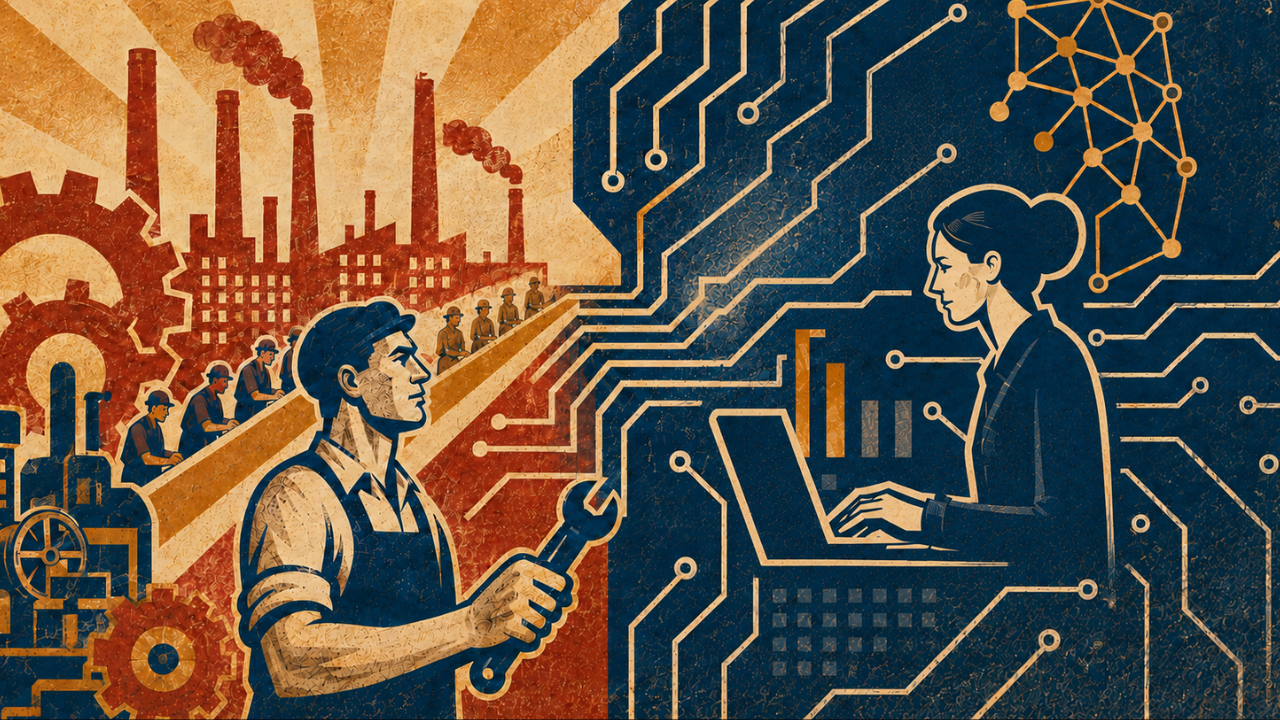
Work and the Social Contract in the Age of AI: How did we get here?
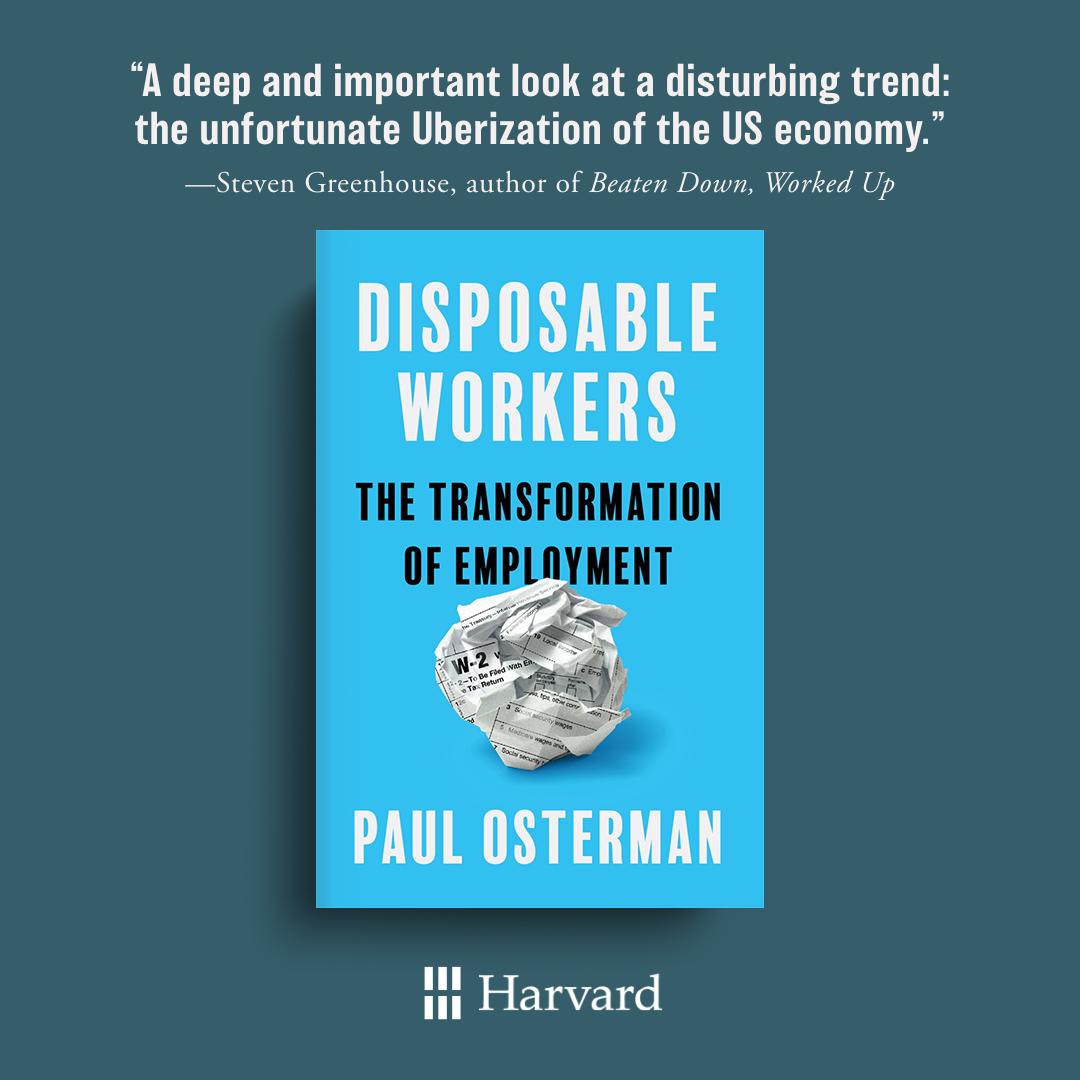
Disposable Workers: A Book Talk with MIT Sloan Professor Paul Osterman